
Time is now for smart infrastructure upgrade
Amid Covid-19 and widening income gaps in urbanised areas all over the world, such adaptations will make our cities safer, aid those in need, and shorten commutes.
 Add BT as a preferred source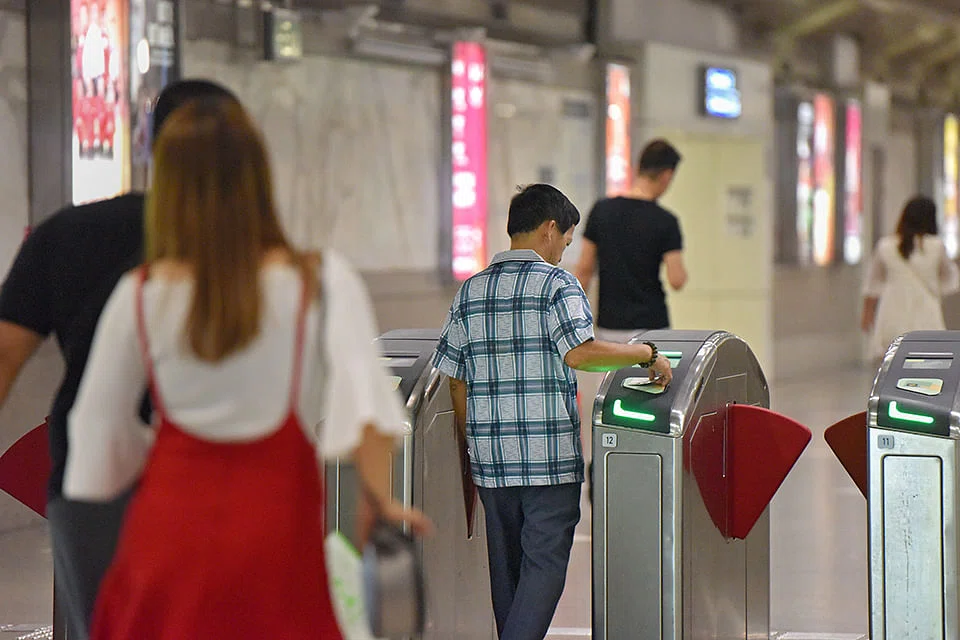
FROM Singapore to Seoul to Sydney, every city possesses a character of its own. But many of the infrastructure challenges of supporting a bustling urban population - especially in the midst of a pandemic - are universal.
Today, 4.2 billion people live in cities all over the world, driving more than 80 per cent of global gross domestic product (GDP). While disparity within cities was evident before, the pandemic has shone an even brighter spotlight on those inequalities. The wealthiest have largely been able to maintain their standards of living, yet lower-income residents have struggled with stressed healthcare systems, inefficient aid delivery and urban infrastructure, and economies that are straining to keep pace with the new Covid reality.
As local governments tackle these challenges, they are increasingly turning to technology for help. Adaptations, such as virtual services, dynamic analytics or contactless payment apps, will reshape how governments operate and interact with their constituents long after the pandemic subsides.
Decoding Asia newsletter: your guide to navigating Asia in a new global order. Sign up here to get Decoding Asia newsletter. Delivered to your inbox. Free.
Copyright SPH Media. All rights reserved.

