

Tipping point crossed at IMF meetings
The Fund’s spring meetings showed a global economic order in upheaval
 Add BT as a preferred source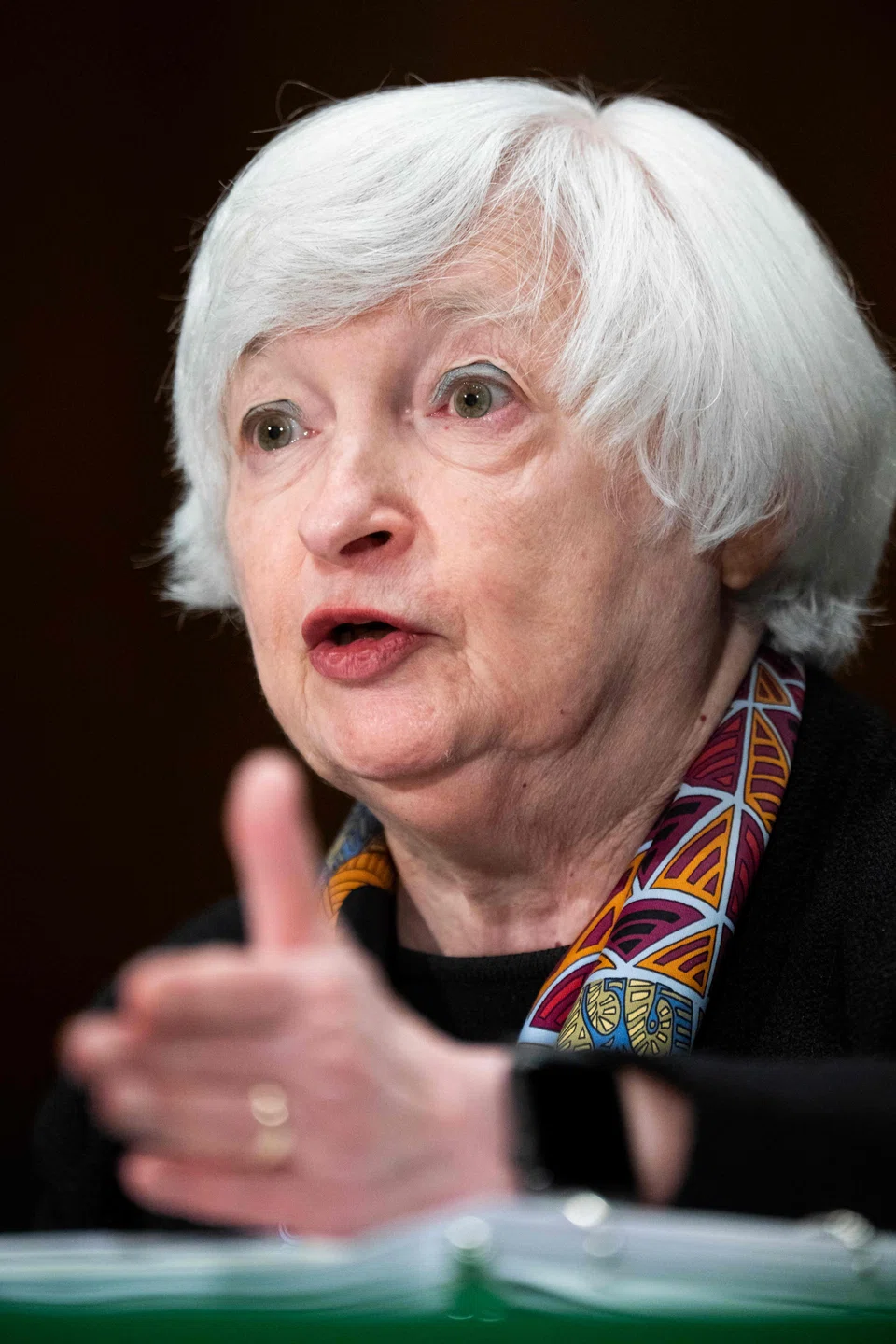
Christian Kopf
THE recent spring meetings of the International Monetary Fund, which lasted from April 18-24, were some of the gloomiest I have attended. There has been no shortage of crises in recent decades – such as Russia’s default in 1998; crises in Argentina, Brazil and Turkey; the global financial crisis of 2008; the euro area crisis of 2011 or the Trump administration’s attack on the global order. In the face of these problems, discussions at IMF meetings have always been centred around efforts to promote international co-operation and global trade with the aim of improving the economic situation for all. Sometimes there was agreement on measures to achieve these aims, such as at the meetings following the 2008 financial crisis, while other times there was dispute, as during the euro area crisis. The goal of enhanced co-operation on economic and monetary issues, enshrined in the IMF’s articles of agreement, was always beyond question. But that is no longer the case. We are at an epochal turning point against the backdrop of the Russian invasion of Ukraine.
This is expressed particularly clearly in a remarkable speech by US Treasury Secretary Janet Yellen to the Atlantic Council a few days before the spring meetings. Her key point was that the goal is no longer to stop the war in Ukraine. The goal is rather to mitigate the economic consequences of this war.
Decoding Asia newsletter: your guide to navigating Asia in a new global order. Sign up here to get Decoding Asia newsletter. Delivered to your inbox. Free.
Share with us your feedback on BT's products and services
TRENDING NOW

On the board but frozen out: The Taib family feud tearing Sarawak construction giant apart

OCBC consumer banking chief Sunny Quek aims to double wealth business by 2029

‘We’re not a bubble tea brand’: Chagee aims to double Asia-Pacific footprint to 600 stores by 2027

UMS Integration closes 10.2% higher after posting ‘strong’ double-digit sales growth in Q1

