

Too early to write off oil; EVs will be an evolution, not a revolution
While all the focus is on passenger vehicles, commercial road transport could be the game changer
 Add BT as a preferred source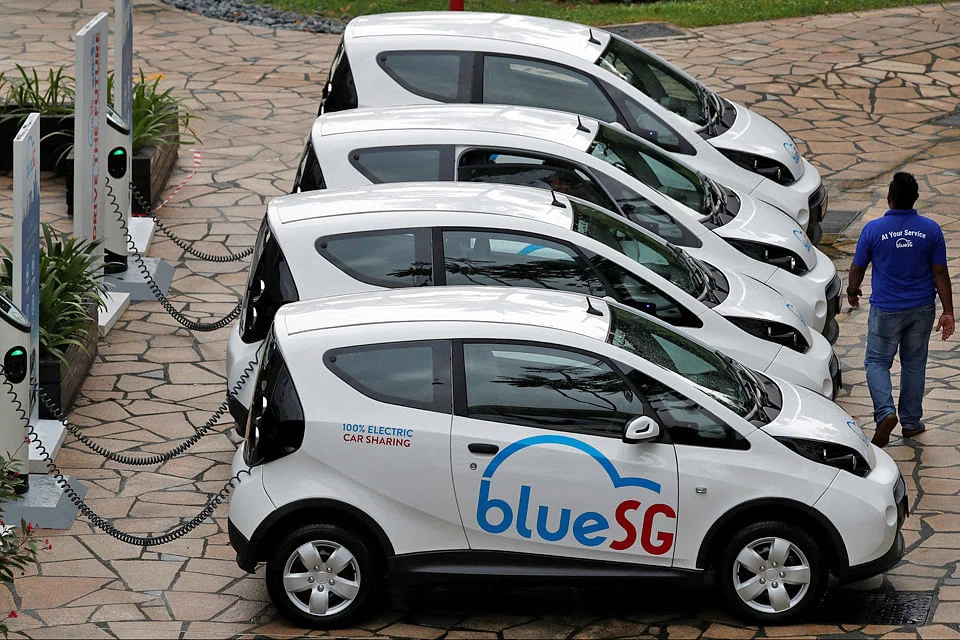
DeeperDive is a beta AI feature. Refer to full articles for the facts.
LAST December, Asia's largest oil trading hub, Singapore, launched its first electric vehicle (EV) sharing service with 80 cars and 30 charging stations. By 2020, the goal is to have 1,000 such green cars, along with 500 charging locations offering 2,000 charging points - making BlueSG the second largest electric car sharing programme in the world.
The service was launched by BlueSG, a subsidiary of France's Bolloré Group that runs the world's largest electric car sharing service Autolib in Paris.
While the move is largely meant to fight congestion in an increasingly densely populated city, it is interesting that electric cars are being introduced in one of the world's top oil trading hubs and bunkering ports, a leader of the fossil fuel industry that also includes one of the largest oil refining centres with a dense concentration of petroleum storage.
Copyright SPH Media. All rights reserved.
TRENDING NOW

China pips the US if Asean is forced to choose, but analysts warn against reading it like a sports result

Beijing’s calculated silence on the Iran war

Shelving S$5 billion office redevelopment plan proved ‘wise’ as geopolitical risks mount: OCBC chairman

Vietnam formalises new state leadership, redefining ‘four pillars’ power balance

