As tourism rebounds, the chips are falling nicely back in place for Genting Singapore

Anita Gabriel
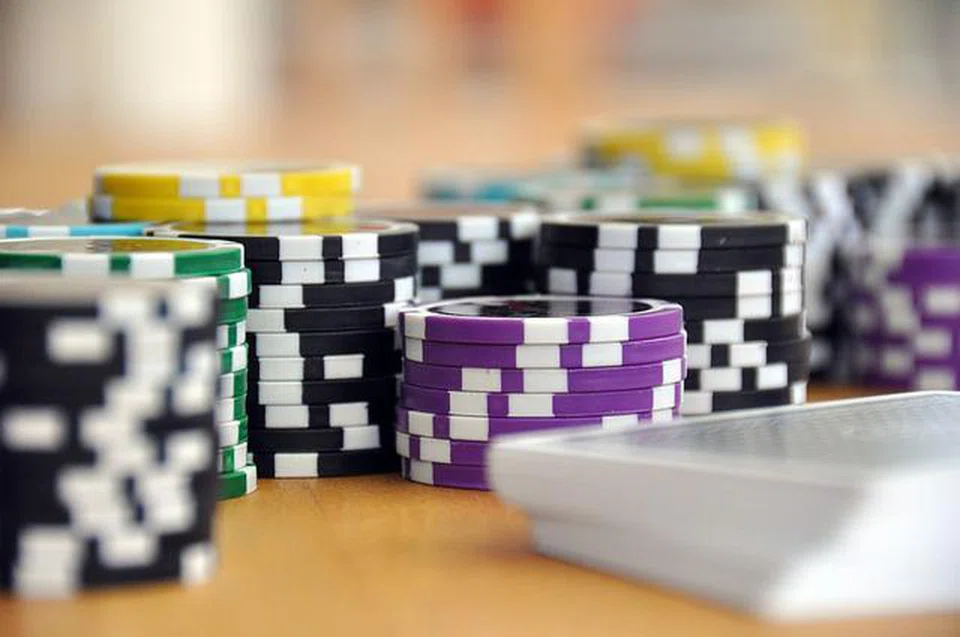
QUITE clearly, casino and leisure giant Genting Singapore is no longer down in the dumps.
This time 2 years ago, analysts declared the second quarter a “washed out” period for the gaming sector as it was hammered by pandemic miseries — from mobility curbs to mass travel shutdowns.
The state of play for the operator of Resorts World Sentosa (RWS) — its flagship project and 1 of the city-state’s 2 integrated resorts (IRs) — was less dour a year ago. Although there were lingering grey clouds, Genting Singapore enjoyed boosts from Singapore’s wage support scheme, high inoculation rate, and an improving outlook as social activities and travel resumed.
Much of the spotlight then had also shone on a bid by the Singapore-listed company, as part of a consortium, to operate an IR in Yokohama, Japan. As it happened, the gaming group — controlled by Malaysian tycoon Lim Kok Thay — ended up “surprised and disappointed” after the Japanese metropolis decided to drop its effort to host an IR entirely.
The cash-flushed company was down, but not out. With the potentially costly and much-anticipated project in Japan a no-go, attention very quickly shifted to the potential return of leisure travel in Singapore — a major boon for the gaming and leisure businesses.
Prospects for the global casino gaming sector have brightened up significantly this year, although they are also somewhat marred by surging inflation that has hurt spending power just as the world braces for a recession.
While the casino industry has been deemed recession-proof in the past, this has not been the case over the recent decade or so. Gaming revenues have fallen against the backdrop of a downturn, and gaming is now considered one of the most discretionary of consumer purchases.
Nevertheless, some pundits expect pent-up demand for leisure activities to offer some buffer.
The strong recovery posted by Marina Bay Sands — Singapore’s other IR — boosted the Q2 showing of US-listed Las Vegas Sands and portends well for Genting Singapore, which is set to release its first-half report card in less than a fortnight.
MBS’ earnings before interest, taxes, depreciation and amortisation for Q2 FY2022 almost trebled from a year ago — aided by Singapore’s border reopening and the easing of travel requirements, chiefly Covid-19 testing.
A recovery in VIP volume and mass market gross gaming revenue as Malaysian and Indonesian gamblers returned to play aided the recovery, with MBS posting strong growth across both gaming and non-gaming segments. Bear in mind that this upbeat performance has come about sans the much-vaunted high rollers from China, who remain subject to Beijing’s strict zero-Covid policy.
With that, expectations have risen that Genting Singapore may also see a faster-than-expected recovery, although a couple of analysts have warned against making a like-for-like comparison between MBS and RWS.
As the good times roll back, Genting Singapore appears to have caught the attention of peers prowling for M&A targets. This came to the market’s attention in mid-July, in a response to a query by the Singapore Exchange on the sharp swings in the company’s shares. Genting Singapore replied that Lim, its executive chairman and indirect controlling shareholder, had informed the company that its parent Genting Berhad had received an “unsolicited approach” for its stake in Genting Singapore, “which has not been pursued”.
Many would deem this as good thinking on Genting’s part. Armed with a solid balance sheet and a bullish future, Malaysia’s Genting Group is unlikely to part with Genting Singapore — now or, as it appears, ever.
The big question is whether, now that the gaming giant is out of the woods, a hill awaits with another recession looming.