

Trade liberalisation remains central to US Pacific strategy
 Add BT as a preferred source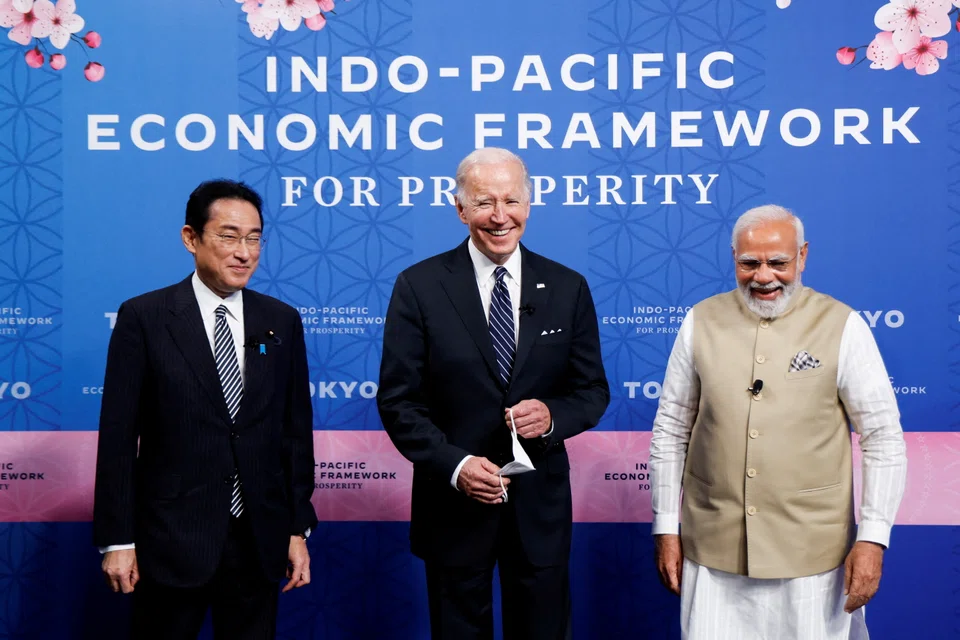
LAST week’s unveiling of the Indo-Pacific Economic Framework for Prosperity (IPEF) is clearly an important move on the part of the United States to assert its presence in Asia and to reiterate its commitment to promote economic prosperity in the region.
This critical geo-economic and geo-strategic initiative by President Joe Biden, supported by 12 of America’s regional partners, came at a time when the Russian aggression in Ukraine has forced the US administration to deploy more resources in responding to a crisis across the Atlantic, raising concerns that that would divert US attention from pursuing its pivot to the Indo-Pacific region.
The launching of the IPEF during Biden’s visit to South Korea and Japan coupled with a meeting of the Quad grouping members, and earlier with ASEAN officials in Washington, have made it clear that the Biden administration intends to continue placing Asia -- and in the context, the challenge posed to its military and economic interests by China -- at the top of its global agenda.
TRENDING NOW

National Day Rally: 8 things to know, from more childcare leave to higher BTO income ceiling

NDR 2026: Every Singaporean child to get direct financial support from birth to age 17

Gold jumps as Treasury buybacks revive debasement concerns

When every phone becomes a satellite phone, what happens to Asia’s telcos?

