

The twilight of democratic capitalism?
 Add BT as a preferred source
Washington
IT must be obvious by now that we are experiencing something greater than the routine frustrations of the business cycle and the normal political discontents of democracies. There is, as political scientist William Galston writes in a recent essay, a "shared fear that an epoch is coming to an end". The "liberal democratic bargain" that wealthy societies embraced after World War II is failing, and this has spawned widespread anxiety and conflict.
In its essentials, the bargain is easily described. Governments derived their legitimacy from their ability to maintain steady economic growth. Though there might be periodic recessions, none would be so powerful as to expose most people to extreme instability or social disorder. Meanwhile, rising incomes would improve living standards and allow governments to redistribute some gains to satisfy political goals. Countries might differ in their goals, but the underlying bargains were similar.
TRENDING NOW

Japan Home closing outlets; staff say Valu$ taking over operations

Timah Partners lands S$60 million facility from lenders including UOB, RHB

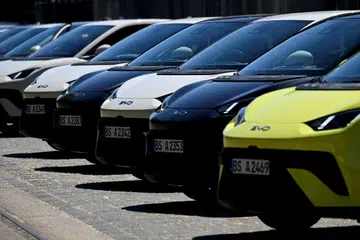
ComfortDelGro’s Zig to buy S$10 million worth of BYD cars for private-hire fleet
How BYD disrupted Singapore’s car market – and why the strategy is turning on itself

