UK election: political risk is back
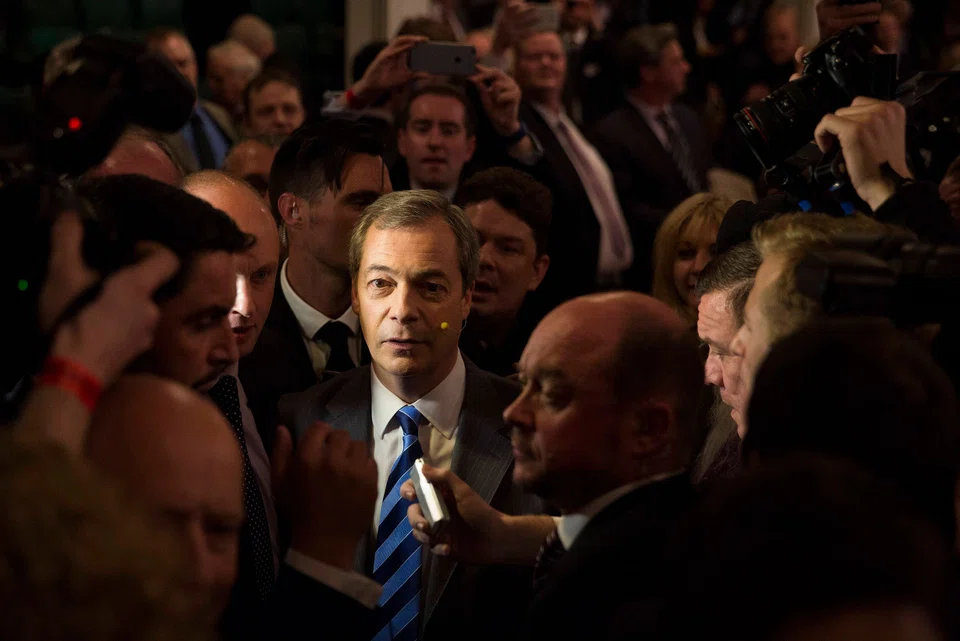
POLITICAL risk is back in the UK. Having just recently avoided a break-up of the political and economic union, the UK is preparing to hold a general election as the fixed five-year parliamentary term comes to an end.
The election on May 7 is set to be one of the most unpredictable in history as smaller parties take a greater share of votes. A range of outcomes are possible, but no clear favourite for investors. What is certain is that the result will not be clear cut, and may delay the UK's austerity plans.
When excluding the three mainstream political parties from polling on voting intentions, the alternative parties now achieve more than double the share of intended votes compared to 2010 - rising from around 10 per cent to 25 per cent.
The Scottish National Party (SNP) has managed to maintain the momentum built after the referendum on Scottish Independence last year, and is now set to take most of the seats in Scotland. The UK Independence Party (UKIP) has also grown its support, reflecting growing disillusionment with the European project. UKIP did well in the European parliamentary elections last year, and more recently won its first two seats in Parliament after two Conservative Party MPs defected. The Green Party has also picked up new support in recent months as it mixes green issues with anti-establishment rhetoric.
The rising popularity of the alternative parties makes it far less likely that a functioning government can be formed after the election. The UK's "first past the post system" will, however, limit the influence of the newcomers.
Turning to the three main political parties, the junior coalition partners - the Liberal Democrats - are likely to be severely punished at this election for betraying a core part of their support. A key pre-election pledge by the party was to reduce or even eradicate university tuition fees, yet soon after joining the government, tuition fees were raised sharply.
The Liberal Democrats are currently polling at around 8 per cent, a severe fall from grace when compared to the 23 per cent of the popular votes achieved at the 2010 election. The Lib Dems will probably still outperform the likes of UKIP and the Greens, thanks to strong grassroots support and MPs campaigning on local issues. However, their role as kingmakers is all but over if they cannot hold most of their seats in the election.
As for the key battle between the coalition leader Conservative Party and main opposition Labour Party, recent polls have them neck and neck.
The Conservatives lost popularity after implementing tough austerity measures, but they have been gaining ground as the economy has recovered. At this stage, the polls suggest that there is not enough of a difference for either party to win an outright majority.
The UK is still running one of the largest structural deficits in Europe and needs to cut its deficit while the economy is performing well. If it cannot cut the deficit in a meaningful way, it risks not being able to cushion the economy when the next economic downturn arrives.
Without a functioning effective government, not only does passing new laws become a problem, but also passing the all-important finance bill - the legal change needed to put the Budget into effect. All three main parties agree on one thing - that further austerity is required after the general election. However, they disagree on the scale, timing and mix of policy in terms of spending cuts and tax increases.
Given the parties are looking to win votes at the moment, it comes as no surprise that they are not outlining exactly how they will achieve the difficult reduction in the budget deficit - which currently stands at around 5 per cent of GDP.
The Conservatives have pledged to eradicate the entire deficit by 2018-19, largely through departmental spending cuts, welfare spending reductions, and of course, the policy that keeps on giving: cracking down on tax evasion. Meanwhile, Labour wants to focus more on increasing taxes on wealthy individuals, but will also have to make some spending cuts, albeit less so than the Conservatives.
The differences between the main two parties risk causing paralysis. Whichever party ends up governing, if it does not compromise on the mix of spending cuts versus tax increases, then it risks failing to pass the finance bill, and therefore quickly triggering another election. In the near term, uncertainty is likely to lead to a pause in business investment, which may also cause a slowing in employment.
Meanwhile, a variety of companies that trade with Europe are concerned about the prospects of a referendum on EU membership should the Conservatives win the election. If the UK ends up with a coalition or minority government, then it becomes more likely that austerity becomes harder to implement. This could boost near-term economic growth compared to a scenario where tougher austerity measures are implemented. However over the medium term, it will slow the reduction in the budget deficit thus leaving the UK vulnerable when global liquidity begins to tighten.
GET STARTED NOW
Be a young investor
Do you aspire to be a successful young investor? Are you keen on taking the first step towards achieving that? The BT-Citibank Young Investors' Forum is no typical page extracted from a financial textbook. This forum will present step-by-step guides on how to start investing, feature stories of peers who have made some headway with their investments, and provide answers to your burning questions on investing. First, we need you to invest - not your money, but your time - in reading The Business Times every Monday. You need not be an armchair reader either - write in to btyif@sph.com.sg now!