

Umno looks set to stay on top of the political heap
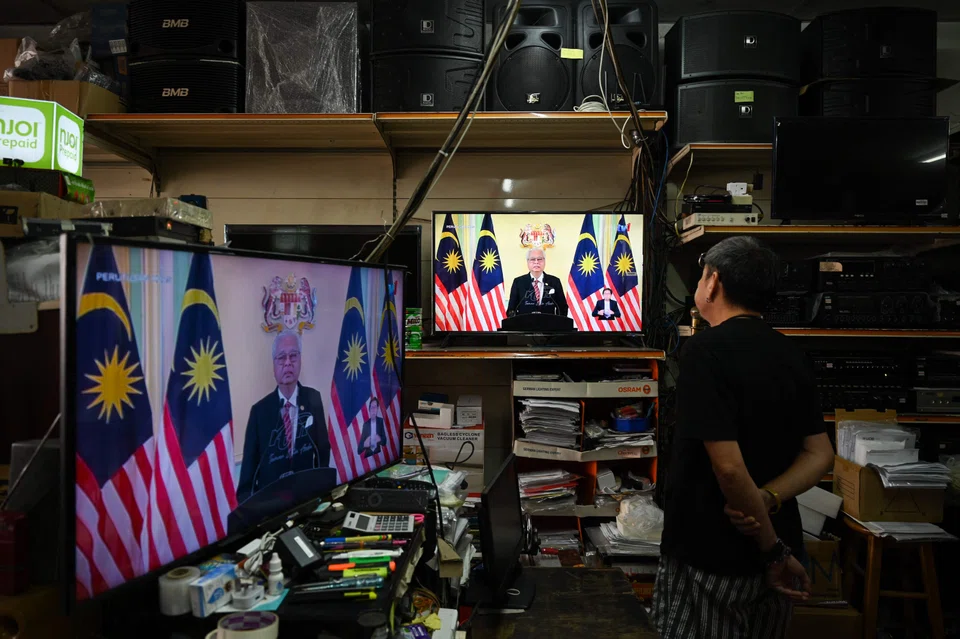
MALAYSIAN Prime Minister Ismail Sabri Yaakob’s decision to roll the electoral dice even after repeated opposition warnings about holding the polls during the flood season came as no surprise. He was under significant political pressure from leaders of his own party Umno, and probably judged it in the interests of both his party and himself to dissolve parliament and pave the way for the country’s 15th general election, probably in mid-November.
Indeed, Umno, the dominant partner in the current coalition government, is so confident of its chances that it has left the budget process hanging, certain that it will again lead the next ruling coalition and so be able to pick up where it left off. And Umno has good reasons for its optimism. The Anwar Ibrahim-Mahathir Mohamad-led coalition that took office in 2018 has splintered. Mahathir, 97, the eminence grise of the anti-Umno movement, is no longer keen on a leadership role. Anwar, 75, has not displayed the verve of yesteryears. More importantly, those who voted for change four years ago were outraged by the 1MDB financial scandal, which claimed the scalp of former prime minister Najib Razak, now serving a 12-year jail sentence. Their anger has probably dissipated. As well, voters would not have forgotten how the coalition came unstuck only two years after winning office, and may not be enthusiastic about voting again for the same old faces.
To be sure, Umno has its own problems. The party’s president, Zahid Hamidi, still faces 47 criminal charges in an ongoing trial scheduled to end in November. These comprise 12 charges of criminal breach of trust in relation to more than RM31 million (S$9.4 million) in funds of a charitable foundation, 27 counts of money laundering, and eight counts of bribery involving RM21.25 million. Then there is the case of the missing naval vessels. A previous Umno-led coalition paid RM6 billion for six naval ships that remain undelivered well past the deadline. It remains to be seen if the opposition can use these issues to galvanise disaffected voters to turn up on polling day.
If there is anger against Ismail’s administration, it would stem from rising inflation, exacerbated by the slumping value of the local currency against the greenback; about 80 per cent of the country’s external trade is in US dollars so the effects of the ringgit’s slump flow through to the domestic economy. That said, it should be noted that the economy is doing relatively well otherwise. GDP growth is forecast at between 5.3 and 6.3 per cent this year, although the relatively high estimate comes off a Covid-induced low base last year. The World Bank projects a 4.2 per cent growth rate in 2023 for Malaysia.
In any case, the next government will need to address its shrinking revenue base and the huge federal government debt burden. Federal debts are expected to rise to RM1.16 trillion in 2023, up from RM1.077 trillion this year. Unless the country cuts back on its various subsidies, estimated at RM80 billion this year, the next administration may have to borrow again to cover part of its debt repayments next year. This could become unsustainable.
For now, Umno would want to keep its traditional position at the top of the political heap. How it will manage the economy after that will depend on the makeup of the coalition it stitches together.
TRENDING NOW

Motoring tycoon Peter Kwee is back in court: Here are his previous legal battles

Peter Kwee’s Ridley Park bungalow on the market with S$100 million asking price

Demand, tech capabilities position Apac and AI as Skyscanner’s next growth frontiers: CEO Bryan Batista

South-east Asia has lost Nvidia’s best salesman

