

Understanding the future of money and data
Given innovative developments such as IoT and Bitcoin, is the law sufficiently elastic to cover them?
 Add BT as a preferred source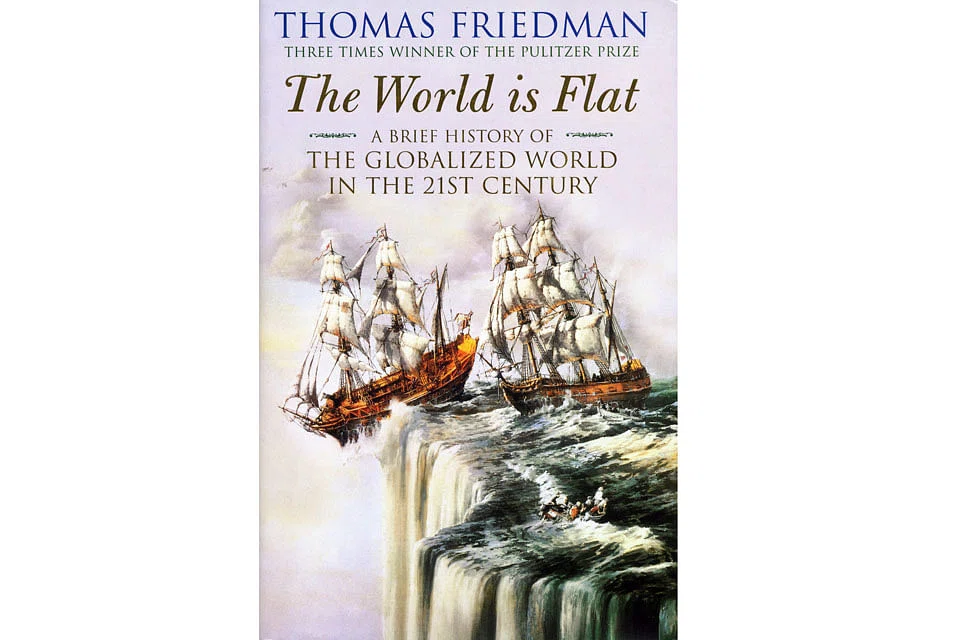
DeeperDive is a beta AI feature. Refer to full articles for the facts.
IN THE last decade, writes Thomas Friedman, "we have gone from a connected world ... to a hyperconnected world" (Friedman, 2011). The transformation has been nothing short of remarkable. When Mr Friedman's book The World Is Flat was published in 2005, he described the launch of the Windows operating system, the digitisation of content, and the spreading of the Internet browser as "seamlessly" connecting people with people (Friedman, 2011).
If you consider that "seamless", it surely is even more seamless now. The time and distances for written, voice and video communications have been shortened by a whole new level.
Now, the world has moved beyond persons-to-persons connection. The next thing on the horizon is the connection of devices in an Internet of Things (IoT). The goal is to enable all things that can or should communicate through the network to communicate through the network. In 2000, two billion "things" were connected to the Internet. Today, there are 10 billion. By 2020, there is expected to be 30 billion (Brewster, 2004). The exchange of data is picking up pace precipitously.
Copyright SPH Media. All rights reserved.
TRENDING NOW

Shelving S$5 billion office redevelopment plan proved ‘wise’ as geopolitical risks mount: OCBC chairman

Eurokars Group introduces rental car franchises Enterprise Rent-A-Car, National Car Rental, and Alamo to Singapore

20 photos that show how dramatically Singapore has changed in two decades
Singapore’s key exports up 15.3% in March from electronics surge, exceeding forecasts

