

Unscheduled grounding and rerouting: Can carriers do more to fix their planes?
Technical problems are part and parcel of operating an airline; but when they occur often and get in the way of operations, airlines incur extra costs – and the wrath of passengers

AIRPLANES hit with technical problems mid-flight have been making the news recently.
National carrier Singapore Airlines was the latest. Passengers on board one of its planes were stuck on the tarmac of Hong Kong International Airport for four hours on Tuesday (Sep 10) due to a technical fault, which could not be fixed on the spot. The carrier axed the flight.
This came after Cathay Pacific and other airlines in recent times reported in-flight problems, ranging from engine fire to cabin-pressure issues, that disrupted normal operations and resulted in flights being either aborted midway or diverted for emergency landing.
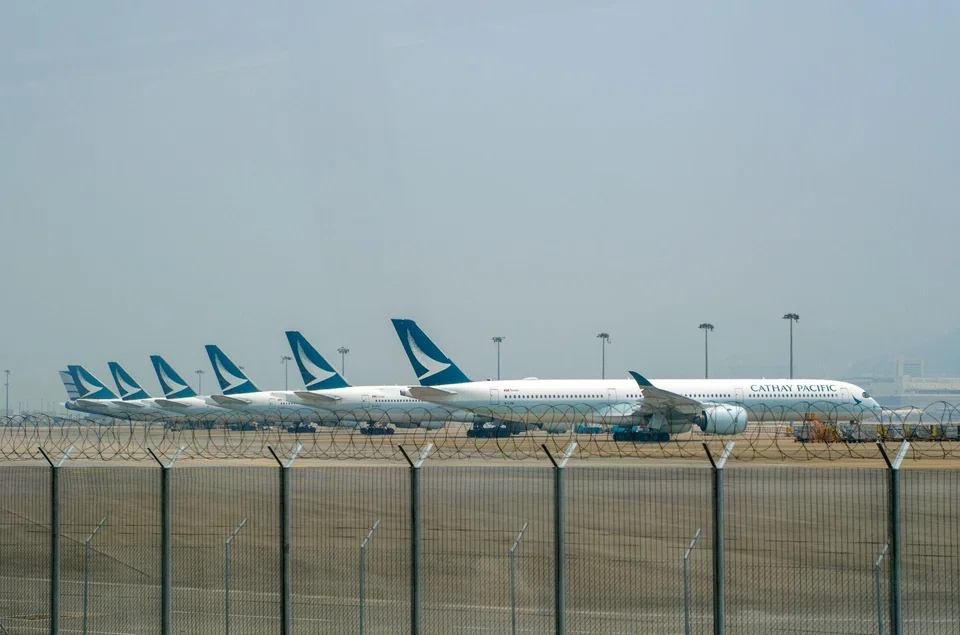
In the incident involving Cathay Pacific’s Airbus A350 plane that took place a fortnight ago, there was a fire in an engine made by British manufacturer Rolls-Royce. The carrier acted prudently and scrapped nearly 100 flights over the week as it grounded its Airbus A350 fleet for inspection. It found that 15 of its planes required repairs.
Several carriers undertook checks of their A350 planes voluntarily and found no similar problems, while Europe’s aviation safety agency subsequently ordered the inspection of some of this aircraft.
No carrier, however, appears to be totally spared from such technical issues. The problems have been popping up frequently post-pandemic as airlines work their flying workhorses harder amid delivery delays of new planes and shortages of skilled maintenance workers and spare parts.
One could contend that technical problems are part and parcel of operating an airline. But when these occur often and get in the way of operations, airlines incur not only the wrath of passengers but also extra costs in putting them up and reimbursing them when the flight is delayed.
An airline’s reputation might take a serious hit in some cases, especially if the technical problems led to disastrous outcomes. Investor confidence might take a beating along with a dent in traveller confidence. Rolls-Royce shares slid 6.5 per cent the day after the report of Cathay Pacific’s engine fire, for instance.
It is probably impossible for carriers to eliminate technical problems, but what they should and can do is to proactively minimise such incidence.
Take Cathay Pacific’s episode, for example. The airline found within days of the engine fire that 15 of its jets had a hose problem. Unfortunately, the issue had gone under the radar earlier.
Those carriers that conducted precautionary checks of their A350 fleet should be commended for being proactive, but they should not stop at taking reflex responses only.
All carriers should up the game and conduct checks more regularly, especially when planes are now being used at a higher frequency or the older ones originally meant to be consigned to the scrapyard have had their retirement postponed.
Airlines that check for and become aware of any technical irregularity before their competitors would be ahead of the game, especially in securing spare parts that are in severe shortage before the problem becomes public.
Ultimately, carriers that succeed in being on travellers’ radars would be those that are known to be reliable in terms of safety and availability.






