

US and Japan have big differences to resolve to make TPP a reality
 Add BT as a preferred source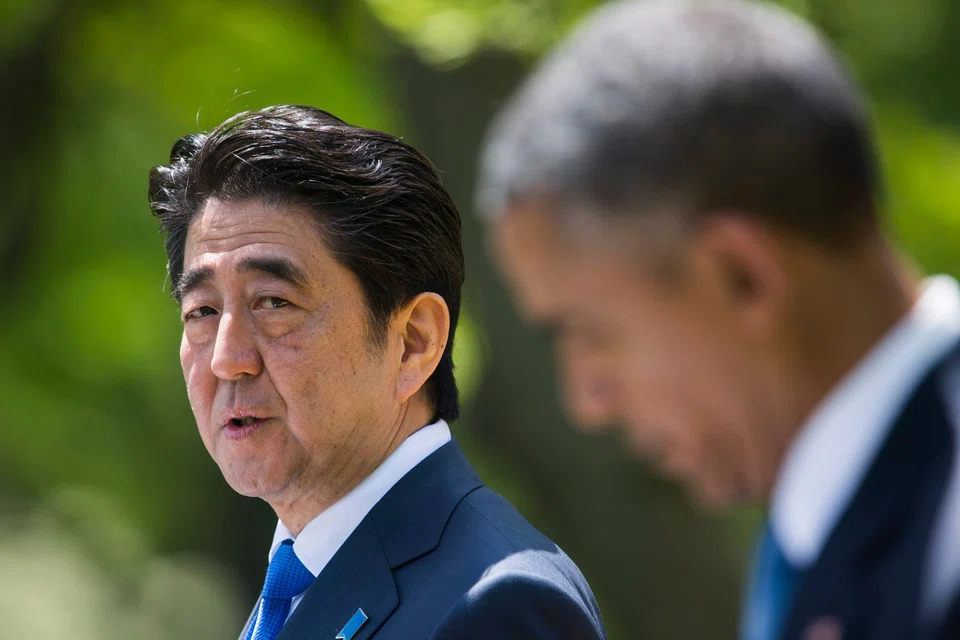
DeeperDive is a beta AI feature. Refer to full articles for the facts.
IT wouldn't be an exaggeration to describe Japanese Prime Minister Shinzo Abe's visit to Washington last week, the first by a Japanese PM in nine years, as "historic" and not only because it's taking place in a year that marks the 70th anniversary of the end of World War II or because Mr Abe became the first Japanese leader to address a joint meeting of the US Congress.
Against the backdrop of a rising China and a changing balance of power in Asia and with US President Barack Obama continuing to pursue his "pivot" towards the region, the visit provided an opportunity for Japan and the United States to reiterate their commitment to their long-time strategic relationship and to take steps to upgrade it.
Indeed, the two leaders approved new military guidelines that would allow the Japanese military to use force when the United States is being threatened. In fact, Mr Abe has been pressing for changes in the pacifist post-World War II Japanese constitution that would permit Japan to play a more activist military role as part of its strategic partnership with the United States.
Copyright SPH Media. All rights reserved.
TRENDING NOW
Vietnam formalises new state leadership, redefining ‘four pillars’ power balance

‘Largest Singapore commercial S-Reit proxy’: analysts say buy CICT shares after Paragon acquisition

From 1MDB to ‘corporate mafia’: Is Malaysia facing a new governance test?
Why where you park your joint venture matters: Lessons from a US$689 million shareholder dispute

