

US-China tensions: Trump shouldn't add Hong Kong into the fight
 Add BT as a preferred source
AGAINST the backdrop of what's looking increasingly like a crisis in the Sino-American relationship and amid talk of a new Cold War, the Trump administration has launched fresh initiatives to punish China for tightening control over Hong Kong.
This comes after US President Donald Trump has been raising the volume of his attacks against Beijing, accusing it of mishandling its response to the coronavirus pandemic, charging that China was responsible for the spread of the deadly virus into the United States. The US has announced that it no longer considered Hong Kong to have significant autonomy under Chinese rule. According to Mr Trump, China's decision to impose a national security law was "absolutely smothering Hong Kong's freedoms" and made it impossible for the US to treat the city as one with a special status. The actions against China include suspending the entry to the US of Chinese scientists deemed to be of risk to national security and scrutinising Chinese companies listed on US markets.
But then some of the other steps being considered by the White House could end up damaging Hong Kong's economy and its status as a financial centre and backfire on its 7.5 million residents. These include rolling back special trade and other privileges for the city's economy and placing sanctions on Hong Kong officials and entities that enforce the new national security laws, and perhaps even imposing the same tariffs on imports from Hong Kong that are levied on goods from mainland China. In any case, it is unlikely that the Chinese leadership would reverse its position on Hong Kong in response to the pressure from the Trump administration.
TRENDING NOW
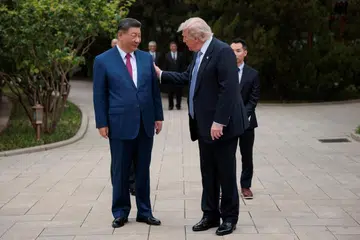
Xi Jinping has just rewritten the rules of US-China rivalry

Singapore developer in limbo after Timor-Leste scraps major township project

‘Whole deck of cards just toppled’: FoodXervices’ Nichol Ng on how a 92-year-old family business unravelled – and what’s next
Indonesia plans to beat global commodity trading giants at their own game

