

US Fed hike causes gyrations in financial markets
Despite a sudden rally, pain lies ahead
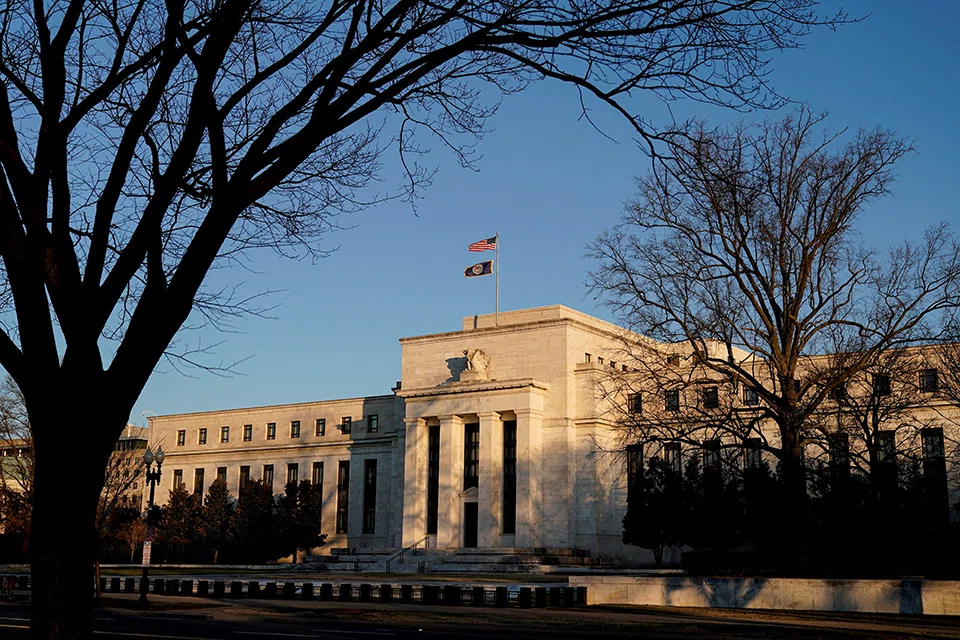
AS CENTRAL banks do battle with the worst inflation for a generation, they are putting the easy-money policies of the past decade into reverse. On May 4 the Federal Reserve raised interest rates by half a percentage point and announced that it would soon shrink its portfolio of bond holdings. The Bank of Australia, which not long ago was predicting it would keep rates near zero until 2024, surprised investors by increasing them on May 3 by a quarter-point. The Bank of England is expected on May 5 to raise rates to their highest level since 2009.
Though share prices jumped a little after the Fed’s rate rise—in apparent relief that it is not tightening faster still—financial markets have been adjusting painfully to the reality of tighter money. Global stockmarkets fell by 8 per cent in April, as investors priced in higher rates and lower economic growth. Financial markets are adjusting painfully to the reality of tighter money. On May 2 America’s 10-year Treasury yield, which moves inversely to prices, briefly hit 3 per cent, nearly double its level at the start of the year.
One consequence of tightening financial conditions is a big repricing of currencies. The dollar is up by 7 per cent against a basket of currencies over the past year. America needs higher interest rates than any other big rich economy, because of its overheating economy and labour market. Higher rates increase investors’ appetite for dollars, adding to dollar-demand caused by a fall in their desire to take risk elsewhere as war rages in Ukraine and China battles an outbreak of coronavirus. Most striking has been the greenback’s appreciation against the Japanese yen, the only currency of a big rich country in which interest rates look unlikely to rise soon. In real terms the yen is at its cheapest since the 1970s.
Another result is the growth in risk premiums as investors worry about pitfalls in the new economic landscape. In America measures of the “inflation risk premium”, which goes up when prices become difficult to forecast, are at their highest since 1994. Liquidity in the Treasury market appears to be thinning. The spread on mortgage-backed securities over ten-year Treasuries has doubled since the start of the year, reflecting worries that the Fed could actively sell its mortgage bonds. There has been a modest increase in corporate credit spreads as investors weigh the possibility that higher rates will make it harder for companies to service their debts. And in Europe the difference between what the German and Italian governments must pay to borrow for 10 years has risen because of the danger that tighter monetary policy makes it harder for Italy to cope with its towering debts.
A third effect is the poor performance of even diversified investment portfolios designed to be relatively immune to shocks. In America a portfolio that is 60 per cent stocks and 40 per cent bonds, which produced an annual average return of 11 per cent from 2008 to 2021, is down by nearly 12 per cent this year. Whereas 2021 marked the apex of the “everything rally” in which most asset prices rose, 2022 could mark the start of an “everything slump”, with the disappearance of low rates made possible by low inflation—the macroeconomic foundation of high investment returns.
As investors suffer, monetary policymakers may be tempted to change course. If they stopped raising rates and let inflation run hot, bondholders would lose money but more inflation-proof assets, such as stocks and houses, would benefit. The dollar would fall, helping the many countries which denominate some of their exports or debts in dollars.
Yet it is the duty of central banks, including the Fed, to respond to the economy at home and to stop inflation persisting at an intolerable level. Tighter financial conditions are the natural consequence of raising rates, and the adjustment has some way to go yet. Investors are still betting that America’s interest rates will peak at a little over 3 per cent. That is unlikely to be high enough to rein in underlying inflation, which has risen above 5 per cent on the Fed’s preferred measure. More pain lies ahead.
©2022 The Economist Newspaper Limited. All rights reserved
TRENDING NOW

Singapore’s central gas buyer affirms Indonesia’s role as ‘important partner’ amid export review warning

Why the biggest business decision about AI isn’t which model to choose

Is Manila Asia’s new dining hot spot?

KKR founders among investors buying 42% of Peter Lim’s Valencia; club valued at US$1.4 billion

