

Using superapps means attracting super threats
But if steps are taken by businesses and consumers to secure the ecosystem, these all-rounder apps can build a human element into our relationship with technology.
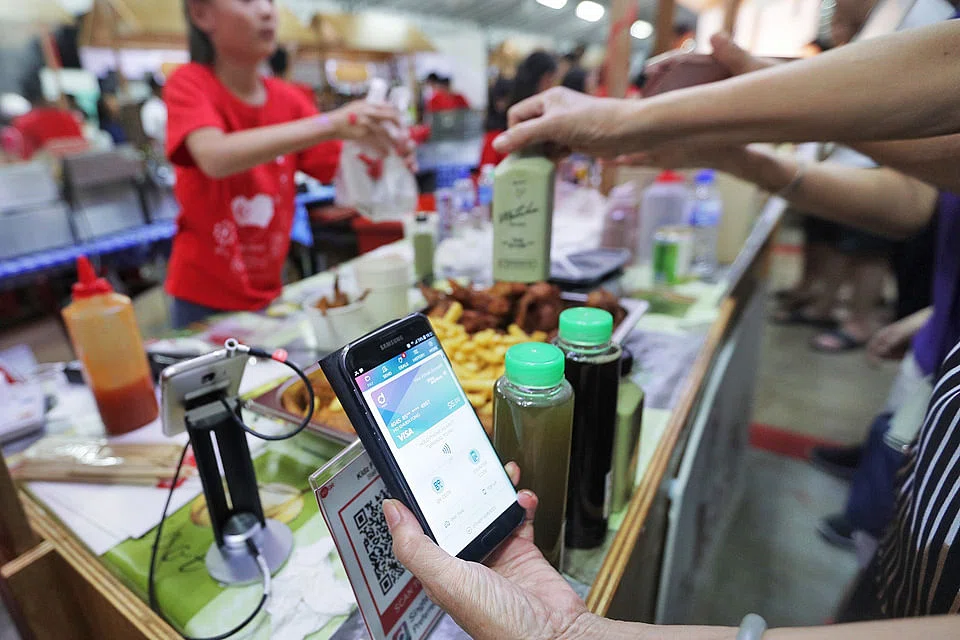
SUPERAPPS have become indispensable for many people in Asia, serving as a passport to access an ecosystem of multiple goods and services. The facility to book transportation, make hotel reservations and get food delivered to your doorstep - all in a single app - has changed the way consumers in Asia interact with businesses.
With a suite of APIs (application programming interfaces) and open platforms, what were once mere apps for booking taxis, have now become gateways for digital innovation. Many have assumed a disruptor role in these emerging markets, taking on giants in the banking and financial sector and advancing research in autonomous transportation.
An initiative such as Grab's partnership with ZhongAn, a Chinese insurance provider, is one example, enabling Asia's unbanked millions to access financial services for the very first time.
A QUEST FOR SUCCESS
Other businesses too have looked to the superapp model for inspiration on disruption. While incumbent unicorns battle for dominance in Asean, other businesses have sought to emulate the superapp model as a way to create value, build loyalty and edge out competitors. Instead of introducing new apps, many are waking up to the value of hosting new offerings on a single "super" platform to foster recurring usage.
Notable examples include telecom giant SingTel launching Dash, a mobile wallet and transportation booking app. Deals platform Fave, which, after branching into e-payments with FavePay, recently added food ordering and delivery apps CutQ in Singapore and FoodTime in Malaysia to its stable. In Indonesia, Facebook-backed messaging giant WhatsApp is reportedly also moving into the payment space through local partners.
However, the true game-changer for businesses lies beyond adding convenience and creating value for consumers. It is the superapp's ability to accumulate a wealth of consumer data thanks to its multiple functions. The very design of a superapp is structured to keep a consumer returning to the app multiple times in a day to meet various daily needs, such as food or transportation, each time allowing the platform to gather data about location, personal preferences and spending habits. These rich, highly-personalised data sets are helping businesses understand their consumers better than ever, allowing AI systems to make recommendations and predict consumer behaviour and trends.
AVOIDING SUPERAPP KRYPTONITE
However, it is both this wealth of data and their complex structure that makes superapps attractive targets of cyber criminals.
The recent attack on 7-Eleven Japan's 7Pay app is a powerful example of how the simple theft of e-mail addresses and personal information can lead to threat actors gaining access to critical payment details.
Therein lies the fundamental security risks of superapps - access to one function provides a pathway to a volume of other information. Such data is of great value to attackers who seek highly personalised data to carry out spear-phishing attacks or compromise business e-mail systems.
Furthermore, with the superapp's core focus on providing these services on a solely mobile platform, consumers and businesses alike will need to be extra vigilant in the face of increasingly sophisticated attacks on endpoint devices such as laptops and smartphones.
In examining consumer behaviours, a gap exists in the matter of being mindful of the data users choose to share with the platforms they interact with. A laissez-faire attitude continues to persist in many areas, with even fewer understanding the myriad ways such information can be exploited. Data breaches may not always result in a direct monetary loss to the consumer; the eventual impact could be bigger than we can comprehend, especially if key repositories are targeted.
POWER COMES WITH RESPONSIBILITY
While the superapp model offers many companies a platform to innovate and disrupt, collaboration and cross-partnership with other services or third-party apps create a bigger potential attack surface. Managing this will require cyber security to be a key consideration, with security measures implemented right at the start of the development process - not as an afterthought. After all, the success of the superapp model hinges on users' trust in the platform. Ensuring security will be especially critical as superapps expand their scope and branch into financial services and digital banking.
Careful attention must also be paid to the people and process aspects of cyber security, because it is the combination of advanced technology and savviness of the security team that will be fundamental to building that trust. Ideally, a security platform that incorporates data analytics and automation will enable teams to efficiently monitor and identify potential cyber threats across a broad ecosystem.
On the front end, superapps can take a leaf out of a more familiar book - mobile banking. The use of multi-factor authentication and biometrics, regarded as industry best practices, could be explored as options to prevent the misuse of digital services.
By incorporating tools and processes that help users be aware and keep their information safe, superapps can be powerful advocates for data protection.
While businesses and the authorities have shown commitment to keeping consumer data safe, using superapps safely is also a shared duty. Users need to ensure that their apps and devices are kept up to date while ensuring proper cyber security hygiene during usage in order to prevent the theft of credentials and log-in details.
App Annie notes that the average smartphone user has 60 to 90 apps installed on his or her phone, uses around 30 of them each month and launches nine a day. The importance of endpoint security cannot be over-emphasised.
BUILDING A MORE SECURE SOCIETY
Despite the ever-present threat of breaches and cyber attacks, superapps can play an important role in helping us develop smarter and more secure cities. The introduction of mobile payment platforms and access to basic financial services will connect millions across the region to economic development opportunities.
Used and developed safely, such platforms can serve as a commercial backbone for communities, linking underserved consumers with a wider array of goods and services, while providing businesses with a secure, accessible e-commerce platform. Furthermore, this adoption of cashless payments also has the potential to be safer for users, reducing the need to carry physical cash everywhere.
Additionally, the very data they collect offers us a depth of insights previously unimaginable - a granular look on the evolution of cities through its ins and outs and the movement of its people, goods and services. This information, if used the right way, can be a powerful force for good, supporting the application of new technologies such as machine learning and analytics in urban environments and delivering smarter and more efficient public services for citizens, possibly even benefiting public law enforcement.
Superapps hold tremendous potential to help build that human element into our relationship with technology, but as these platforms become influential forces in shaping the way we access day-to-day goods and services, it is quite clear that both businesses and consumers will have important roles to play in enforcing the security of the superapp ecosystem.
TRENDING NOW

What shattered Crystal Jade? How the culinary empire shrank from 120 to just 9 outlets

Could Jensen Huang work for Elon Musk? It would be ‘a titanic ego death match’, says biographer

South-east Asia has lost Nvidia’s best salesman

Nvidia’s Jensen Huang fallout is a gift to billionaires Ambani and Adani

