

Venezuela: Another 'splendid little war'?
Trump may think launching 'regime change' there is in the US' national interest, but he should beware the likely ugly scenarios that could result
 Add BT as a preferred source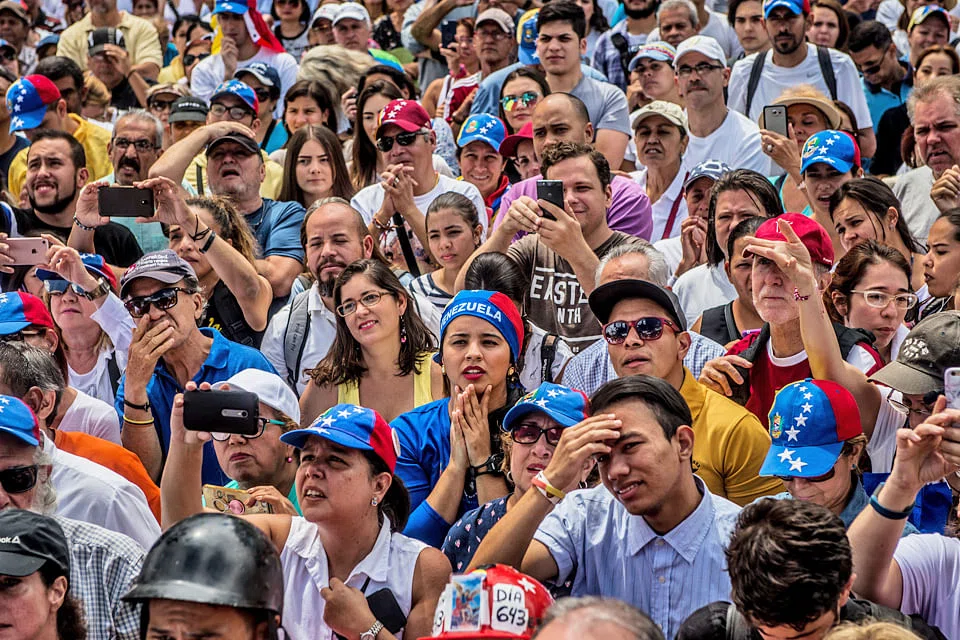
DeeperDive is a beta AI feature. Refer to full articles for the facts.
The Monroe Doctrine - named after American President James Monroe, who issued it in 1823 - proclaimed that the United States would not accept the interference of European nations in the affairs of independent states in North and South America. In practical terms, it has meant putting the entire two continents into Washington's sphere of influence.
The doctrine has since been invoked by American presidents to ensure that European powers butt out of the affairs of the US' geographical neighbours, and to justify US political interference and military interventions in Latin American countries that have occasionally ignited military conflicts. These conflicts include the 1898 Spanish-American War, which marked the beginning of the end of the Spanish empire's presence in the Americas.
"A splendid little war" was how then Secretary of State John Hay described the relatively short - 11 days - war with Spain. This epithet can be applied to the many US military interventions in Latin America - what would later became known as "regime change" operations. They include, most recently, the ones led by President Ronald Reagan in Grenada in 1983 and by President George H W Bush in Panama, which brought about the ouster and arrest of its dictator, Manuel Noriega.
Copyright SPH Media. All rights reserved.
TRENDING NOW

StarHub hands Ensign InfoSecurity control back to Temasek in S$115 million deal, books S$200 million gain
Singaporeans can now buy record amount of yen per Singdollar

Air India asks Tata, Singapore Airlines for funds after US$2.4 billion loss

Keppel DC Reit posts 13.2% higher Q1 DPU of S$0.02833 on strong portfolio performance

