

Victor and vacillator: Macron wins, Scholz hesitates
From inflation to war - 6 questions where France, Germany struggle to coalesce
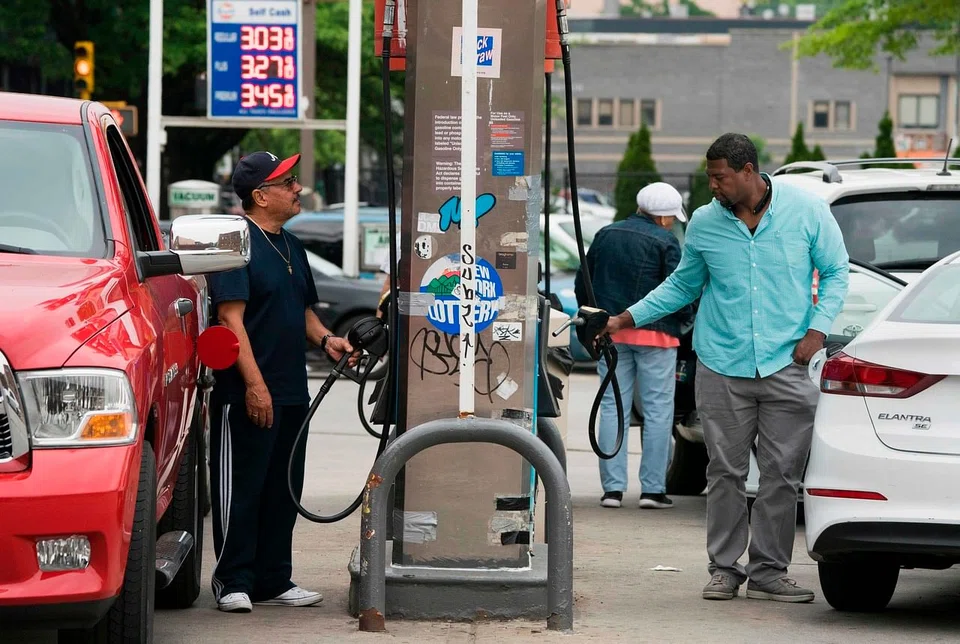
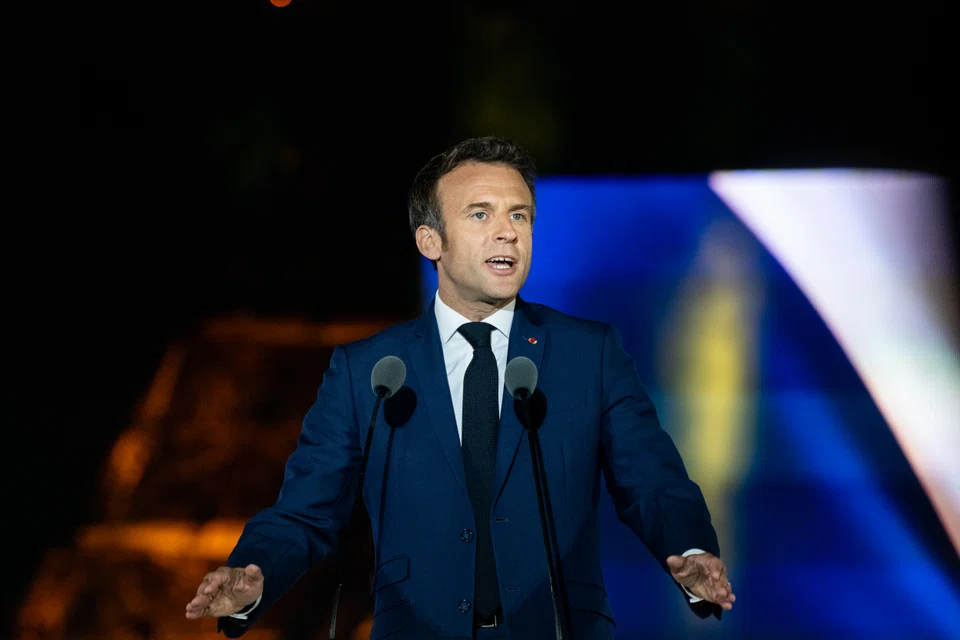
DAVID MARSH President Emmanuel Macron’s French election win raises expectations of Franco-German action for Europe to improve its international position, strained by Covid-19, inflation and the Ukraine war. Blunting the impact of Macron’s victory, his margin on Apr 24 over Marine Le Pen, his far-right rival, was reduced to 58.5 per cent – 41.5 per cent from 66 – 34 per cent 5 years ago.
French society is more fractured than at any time since the Second World War. Divisions will be on display in the run-up to parliamentary elections on June 12 and 19. An indifferent result for Macron and his allies will impede his ability to govern. Olaf Scholz, the German chancellor, was the first foreign leader to congratulate the re-elected president. Here are 6 areas where the two sides will struggle to coalesce.
War in Ukraine
Macron’s parleying with Russian president Vladimir Putin – although fruitless – appeared to give him early status in the fight against Le Pen. Domestic issues, above all higher inflation, soon took over as the dominant theme. In his landmark parliamentary address on Feb 27, Scholz promised significant shifts in German energy and defence policy. He has shown marked hesitancy on implementation, earning rebukes from his Green and liberal Free Democratic Party coalition partners and the conservative opposition. Bridging strategic gaps between French and German positions on long-term relations with Russia and fears of a wider war may be impossible.
TRENDING NOW

World’s largest offshore wind platform by Seatrium consortium on track to be completed by 2028
Is stamp collecting enjoying an analogue revival or are its best days over?
GovTech retrenches another 38 staff in second round of layoffs
MBS adjusted property Ebitda falls 20.6% in Q3 with fewer high-roller visits, weaker hold

