We can't ignore the future of driverless cars
 Add BT as a preferred source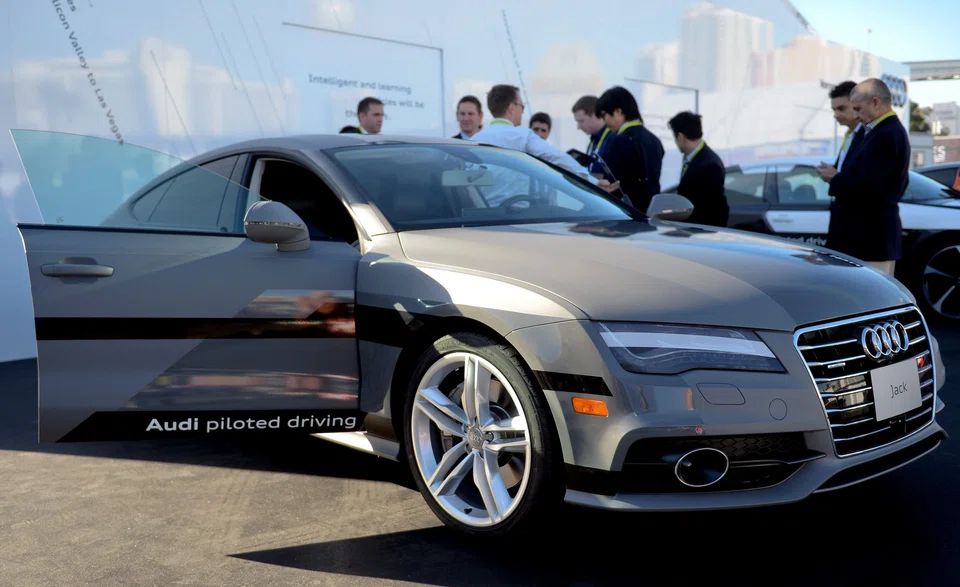
DeeperDive is a beta AI feature. Refer to full articles for the facts.
YOU might have missed the news that the University of Michigan last month completed construction of a 32 acre miniature city that will enable the safe testing of, among other things, "connected and automated vehicle technology" - that is, driverless cars. The carpocalypse may be closer than we think - Chris Urmson, who runs Google's driverless car project, expects to see driverless cars on public roads within two to five years - which is why it is important to ask hard questions now.
Cars that operate themselves are all the rage. "Driverless technology is the future," said Claire Perry, an undersecretary in Britain's Department for Transport, this past October. "We can't avoid it, and I don't want us to."
The autonomous Audi A7, unveiled at the Consumer Electronics Show earlier this month in Las Vegas, has received rhapsodic reviews from technology writers. The National Aeronautics and Space Administration, which has deployed rovers on the surface of Mars, announced last week that it will be partnering Nissan to develop dual-use technologies.
Share with us your feedback on BT's products and services