

Why corporates need a foreign policy nowadays
Last week's landmark EU tax ruling against Apple underscores the growing potential for businesses to become intertwined in high-profile international political disagreements.
 Add BT as a preferred source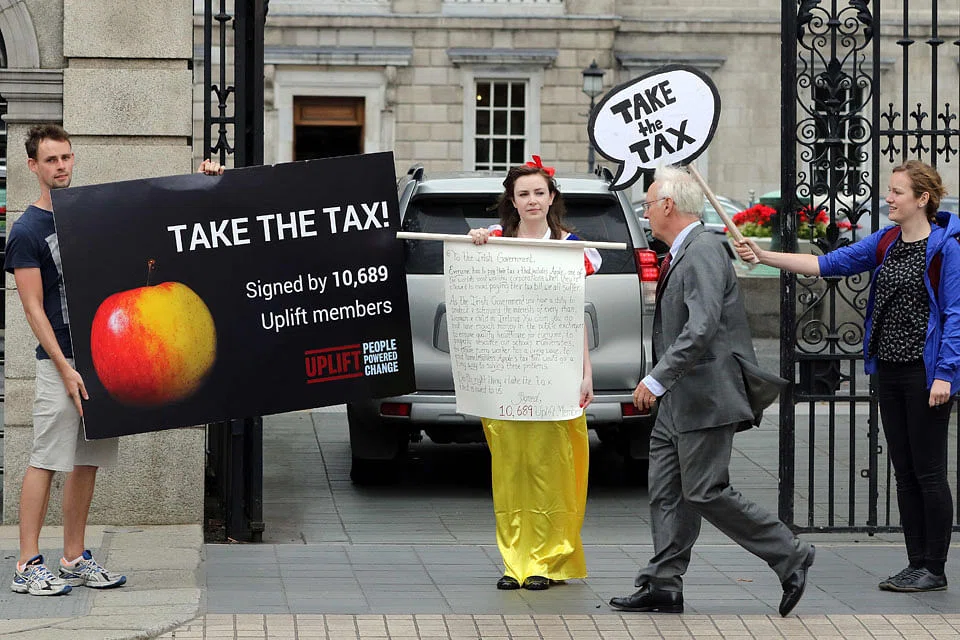
DeeperDive is a beta AI feature. Refer to full articles for the facts.
London
THE Irish Parliament will vote on Wednesday as to whether to support the government's decision to appeal against last week's landmark EU decision that Apple owes a tax bill of some 13 billion euros (S$19.7 billion). The ruling, which has been dismissed as "political crap" by Apple CEO Tim Cook, has put the most valuable company by market capitalisation at loggerheads with the world's largest political and economic union.
The EU's decision has also angered the US government which has accused Brussels of trying to make a play for tax revenue that, in Washington's view, should rightfully flow to the US Treasury given that Apple is US-headquartered. At issue therefore is a complex international legal and political question of whether, as an EU member, Ireland should be able to operate a low tax regime that over decades has attracted a large array of multinationals, but which Brussels now asserts amounts to illegal state aid.
Copyright SPH Media. All rights reserved.
TRENDING NOW

Shelving S$5 billion office redevelopment plan proved ‘wise’ as geopolitical risks mount: OCBC chairman

Eurokars Group introduces rental car franchises Enterprise Rent-A-Car, National Car Rental, and Alamo to Singapore

20 photos that show how dramatically Singapore has changed in two decades
Singapore’s key exports up 15.3% in March from electronics surge, exceeding forecasts

