

Why the future of our city requires a rethink
Today is World Cities Day. In light of the pandemic, city planners will have to come up with new solutions to address present and upcoming challenges so as to build a healthy, thriving city for a post-Covid world.
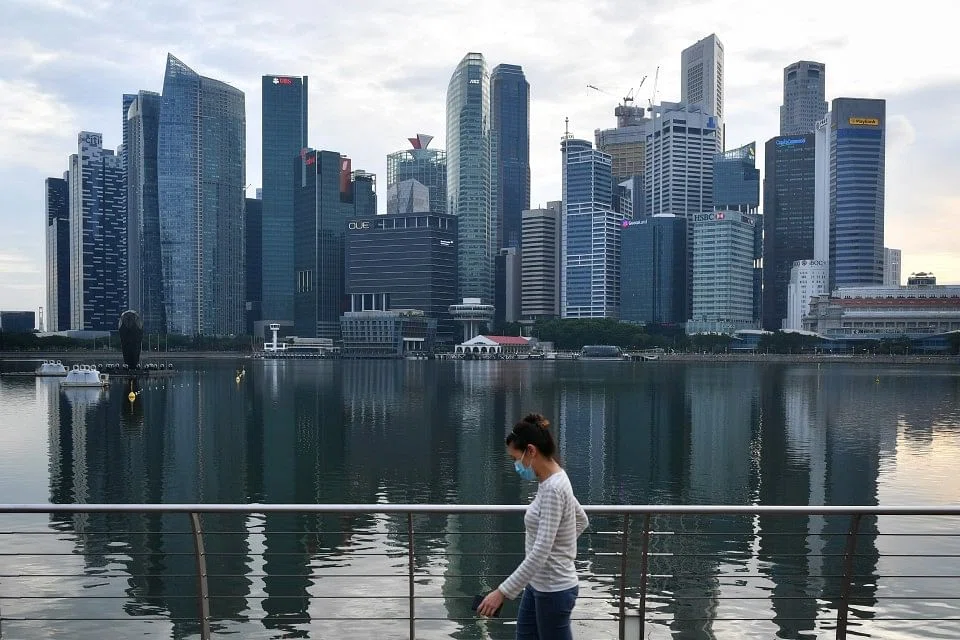
THE year 2020 has been a tumultuous year for everyone, to say the least. Not only has the Covid-19 pandemic disrupted the economies, businesses and the lives of people all around the world, it has also reshaped urban living in Singapore and the Asia Pacific region.
With remote working and social distancing as the "new norm", and our way of life in the foreseeable future, city planning requires a serious rethink. Beyond managing the age-old issues of spatial constraints, pollution, pressure on transportation and infrastructure and more, city planners now need to accelerate digitalisation and engagement with the community to create cities that can sustain itself and continue to thrive in an uncertain future.
The latest Strategic Plan for 2020-2023 by UN-Habitat further reinforces how cities that engage all of its stakeholders, including local communities, can help to foster sustainable cities in the long run. In the plan, UN-Habitat highlighted that cities and communities that promote inclusive engagement for all segments of society, including vulnerable groups, in their planning and management, can contribute to their overall stability and cohesion to mount an effective urban crisis prevention and response strategy.
TRENDING NOW

DBS, OCBC, UOB rout lops billions off STI as inflation, rate concerns spook investors

Grab CEO’s wife Chloe Tong on life with Anthony Tan and finding her purpose

OCBC sheds S$8 billion in value as shares close nearly 6% down; analysts cautious on banks

Deal between tycoon friends sparks scrutiny of Philippine power sector

