

Why gold is surging and how US Fed can shift its trajectory
Gold has been sidelined since the 70s, but its recent price spike has recast the spotlight on it.
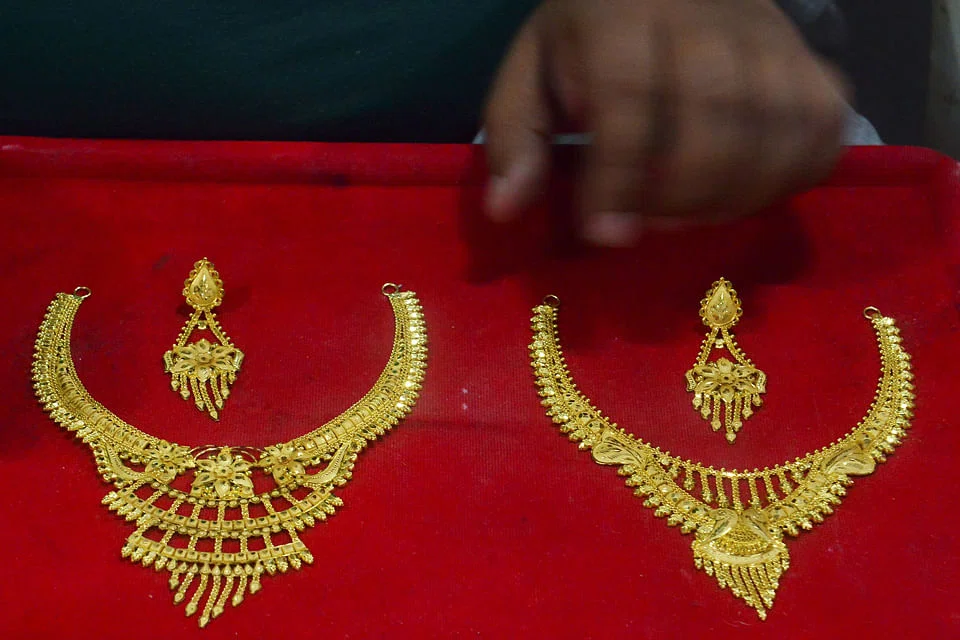
THE price of gold reached an all-time high of US$2,000 an ounce early this month. And while mainstream economists have treated the metal as a sideshow since the world abandoned the gold standard in 1971, this recent price spike is a significant signal.
Three explanations for the elevated gold price - related to US monetary policy, risk, and investors' growing desire for a safe-haven alternative to the dollar - have been offered. Each contains some truth.
The US Federal Reserve has eased monetary policy aggressively since the onset of the coronavirus recession in March. True, there currently is little sign of inflation - for centuries a major motive for holding gold. But rising goods prices are not the only sign of easy money. Today's low real interest rates, depreciated dollar and high stock prices - not to mention the size of the Fed's balance sheet - all reflect the Fed's accommodative monetary-policy stance.
TRENDING NOW

He built the Vingroup empire. Now South-east Asia’s richest man is handing some key roles to his sons
Despite the de-dollarisation debate, demand for dollar liquidity in Asia is growing

Can a first-time homebuyer couple earning S$18,000 a month afford a new EC unit?

Asia needs new energy security architecture

