

Why Trump will now look abroad for victories
With significant new domestic legislative measures hard to come by in a Democrat-controlled House, the US president may seek success in foreign policy matters.
 Add BT as a preferred source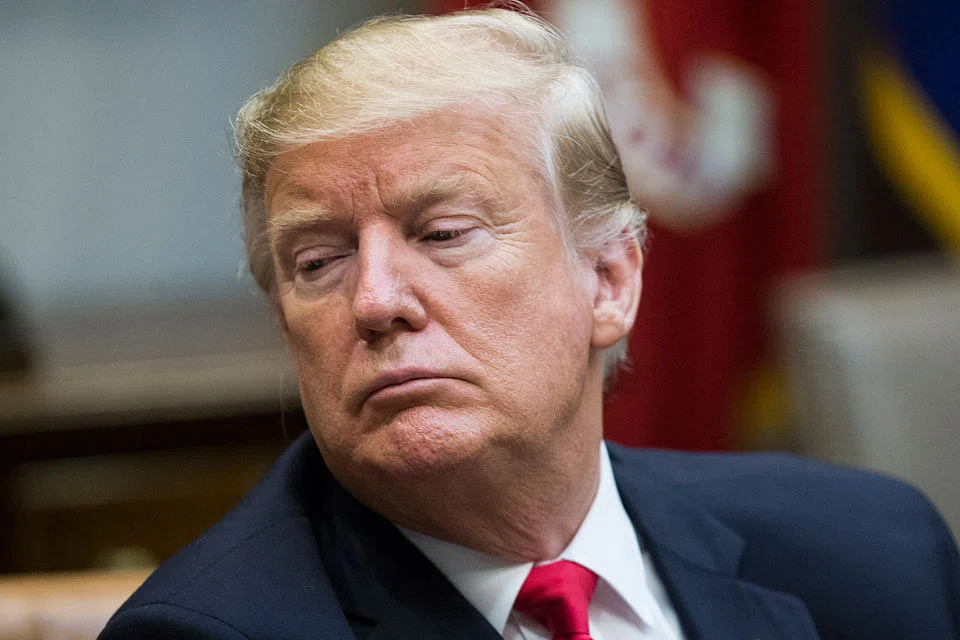
DeeperDive is a beta AI feature. Refer to full articles for the facts.
DONALD Trump's decision to back down on Friday and re-open the US government, at least temporarily, could be a pivotal point in his presidency. At the halfway point of his term, with much uncertainty over his prospects in the next two years, it may be Richard Nixon who provides historical guideposts to what happens next.
Mr Nixon assumed the presidency 50 years ago this month and, like Mr Trump, took office during significant domestic social and political upheaval. While some have compared the potential scandals surrounding Mr Trump to Watergate, there may be other potentially powerful parallels between the two presidents.
One of these could be the intense focus Mr Nixon had on foreign affairs in his second two years in office from 1971 to 1973. Coinciding with the controversies of his Vietnam policy during this period, he scored a string of achievements including his landmark meeting with Chairman Mao Zedong in China, and the signing of two nuclear agreements with Moscow to limit nuclear weapons.
Copyright SPH Media. All rights reserved.
TRENDING NOW

Vietnam acts fast to shield firms, households from fuel price surge

Beijing’s calculated silence on the Iran war

S-E Asia tourism takes hit from Middle East crisis, but intra-regional travel could spell hope

China pips the US if Asean is forced to choose, but analysts warn against reading it like a sports result

