

Why Turkey is imperiling NATO enlargement
Sinan Ülgen
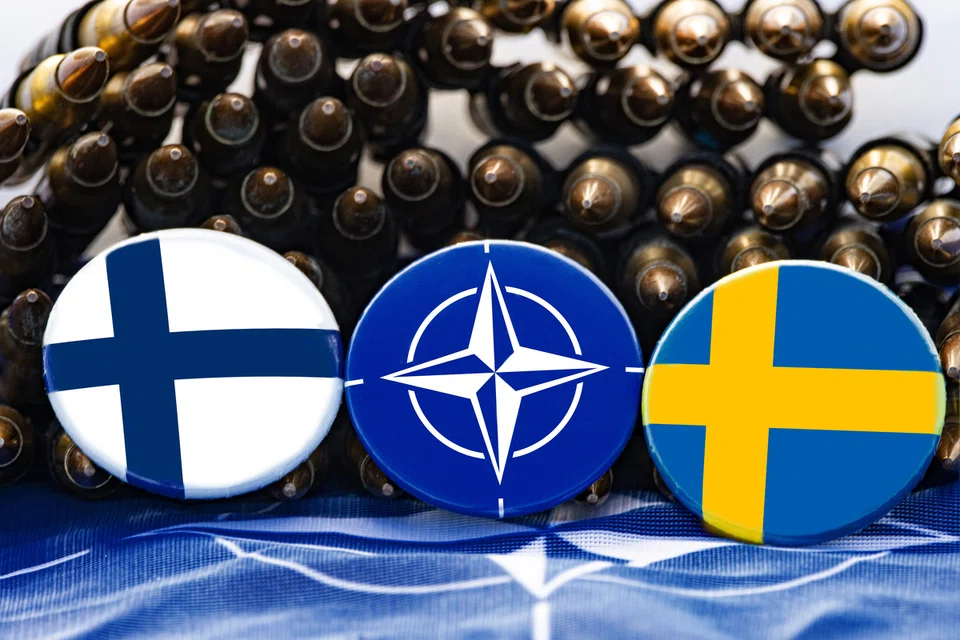
ISTANBUL – One of the key geopolitical consequences of Russian President Vladimir Putin’s war against Ukraine has been the return of hard security concerns to mainstream European politics. In some European countries, like Germany, Putin’s invasion has triggered a commitment to increase defence expenditures. In traditionally neutral Finland and Sweden, a surge in public support for NATO membership was followed by applications to join the alliance. NATO’s Madrid summit at the end of June has thus quickly been transformed into a milestone event heralding the alliance’s further enlargement.
But NATO enlargement requires the consent of all member countries, and Turkish President Recep Tayyip Erdoğan stated that his country is “not of a favourable opinion” regarding the Swedish and Finnish applications. Erdoğan’s negative stance, which he justified on the grounds that the two countries are harbouring Kurdish terrorists, is imperiling further NATO enlargement at a time of great geopolitical uncertainty.
TRENDING NOW

Easy to rent out, hard to sell: Are buyers losing interest in Singapore’s one-bedroom condos?

GovTech retrenches another 38 staff in second round of layoffs

Stocks to watch: Seatrium, CapitaLand Investment, Keppel DC Reit, Suntec Reit, CLCT, TSH Resources

World’s largest offshore wind platform by Seatrium consortium on track to be completed by 2028

