
Wising up to the wired future of Asean
As region's cities get smarter, there's more need for smarter use of their data.
 Add BT as a preferred source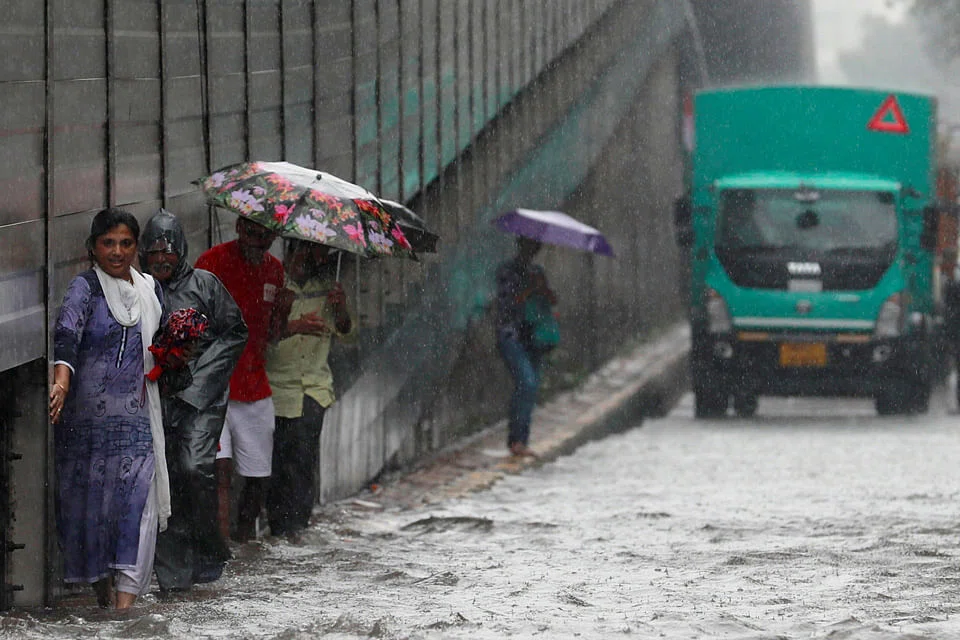
IN January 2018, a massive downpour hit the city of Bangkok, flooding the capital and surrounding provinces. Throughout the city, traffic came to a standstill. Office workers heading to work during the morning rush hour were affected, with some not making it to work that day.
Now imagine another scenario: several supermarkets are facing a crisis in a city with a population of close to 1.5 million as their shelves are running low on rice. The problem: a local logistics company missed processing the local grocers' routine bulk orders to restock rice supplies.
Fifty-one years into its establishment, Asean has significantly evolved and progressed on many dimensions. Collectively, Asean today is the sixth largest economy in the world, with a combined GDP of US$2.55 trillion in 2016, and is projected to be the fourth largest economy by 2050. Its economic development has also led to social progress - poverty has been reduced, with the proportion of the population living with less than US$1 per day falling from 47 per cent in 1990 to 14 per cent in 2015. Nutrition and quality of healthcare have vastly improved, contributing to longer life expectancy across the region.
Share with us your feedback on BT's products and services

