
Worst may not be over yet for regional currencies and markets
 Add BT as a preferred source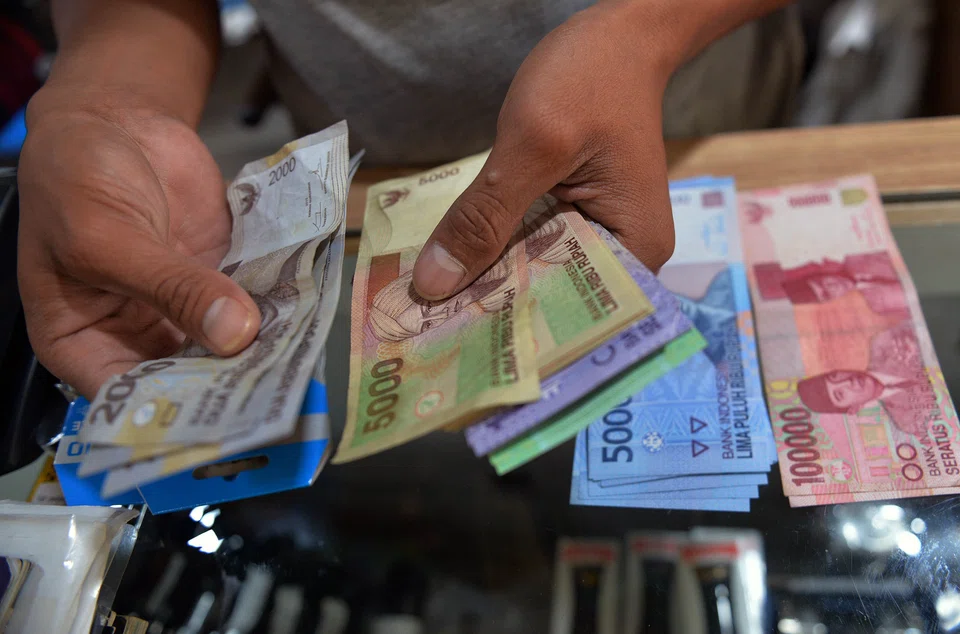
EVER since China's economic slowdown came into sharper focus and particularly since the People's Bank of China changed its exchange rate regime on Aug 11, Asia's financial markets and currencies have taken a hit.
Contagion of this sort is not a new phenomenon - we have experienced it on a much more dramatic scale during the Asian financial crisis of 1997; again during the global financial crisis of 2008 and sporadically since then. But it is worth figuring out why it is happening this time, through what channels and how bad it could get.
The carnage has been quite severe. Just about every Asian currency has suffered in recent weeks, accelerating a trend that was already discernible before China's devaluation. Since the start of the year, the biggest losers have been the Malaysian ringgit, which has lost about 24 per cent of its value against the US dollar; the Australian dollar, which has lost 17 per cent; and the Indonesian rupiah, which is down 15 per cent. It is notable that these are all currencies of commodity-exporting countries. By contrast, the currencies of net commodity importers have been relatively less affected. The Thai baht has lost about 9 per cent; the Singapore dollar about 7.5 per cent; and the Indian rupee 5 per cent. Stock market losses have also been more marked in the commodity-exporting economies.
Copyright SPH Media. All rights reserved.

