Xi's constitutional move: an end or a means?
 Add BT as a preferred source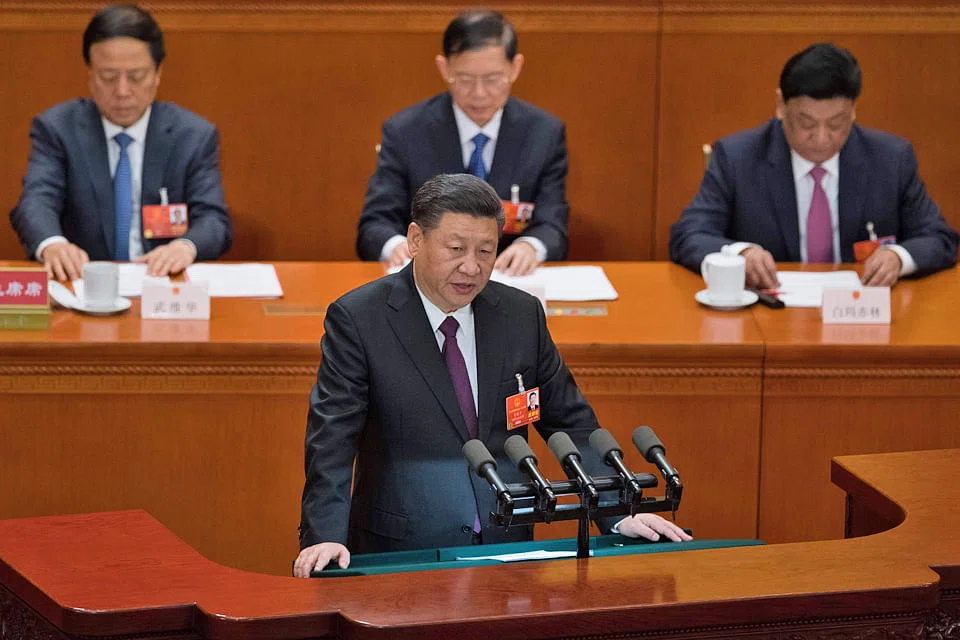
DeeperDive is a beta AI feature. Refer to full articles for the facts.
ON March 11, a historic amendment to China's Constitution - the first in 14 years - was almost unanimously adopted by the 13th National People's Congress (NPC), with 2,958 in favour, two against and three abstentions. It is not known why the five national lawmakers did not support the amendment, but it is obvious that external criticisms have been focused on the lifting of the presidential term limits.
There are worldwide concerns and even fears that Chinese President Xi Jinping - who is also general secretary of the Communist Party of China (CPC) and chairman of the Central Military Commission (CMC) - is set on staying in power indefinitely, just like an emperor for life. Those worries are understandable, but I have different views.
It was China's visionary reformer Deng Xiaoping who added the term limits into the country's Constitution in 1982. The two-term limits were applied to most top positions, but the most powerful posts of CPC general secretary and CMC chairman were exceptions. However, since China's reform and opening-up, so far there has never been any top leader choosing to remain in power for life.
Copyright SPH Media. All rights reserved.