The coming brave new world of designer babies
Genetic testing and other genomic services will likely be a hit in Asia

WOULD you pay US$30,000 to ensure that your future child would have a high IQ or won’t develop disorders such as Alzheimer’s disease?
Posters in New York subways now display catchphrases such as “Have your best baby”, promoting tests for genes that influence a baby’s traits, including eye colour, hair colour and intelligence. Another advertisement urges would-be parents to preview their future child.
One company, Nucleus Genomics, founded by 26-year-old Kian Sadeghi, claims, for the above fee, it will screen 20 embryos for 2,000 traits and conditions, including eye colour, acne, left-handedness and baldness.
Yet another, Herasight, proclaimed in late 2025 that it had developed the world’s most powerful genetic predictor of cognitive ability and could detect which embryos had higher IQs by up to 8.5 points. The list goes on.
To be clear, this column does not endorse any of these businesses (and that is what they are).
As you might have guessed, these services are limited to people with European ancestry, for the moment.
More importantly, none of it is approved by any reputable professional organisation.
For instance, the American Society for Reproductive Medicine has evaluated the use of pre-implantation genetic testing for polygenic disorders (when a condition requires multiple genetic factors to manifest).
The society’s report concludes that “this emerging technology is not ready for clinical practice and should not be offered as a reproductive service at this time, given the predictive uncertainties of the results and the substantial ethical considerations that it raises”.
Notably, this report is limited to heritable diseases and disabilities. Potential customers are warned: “Current predictive models are limited by insufficient data, incomplete understanding of gene and environment interactions, and a lack of diverse genomic representation.”
It has been argued genomic services represent a step towards designer babies, invoking Nazi-era eugenics programmes.
Others argue that if technology to choose smarter, healthier babies is available, then it is unethical not to use it.
But make no mistake, whatever the ethical issues, such services will find their way to this part of the world sooner rather than later.
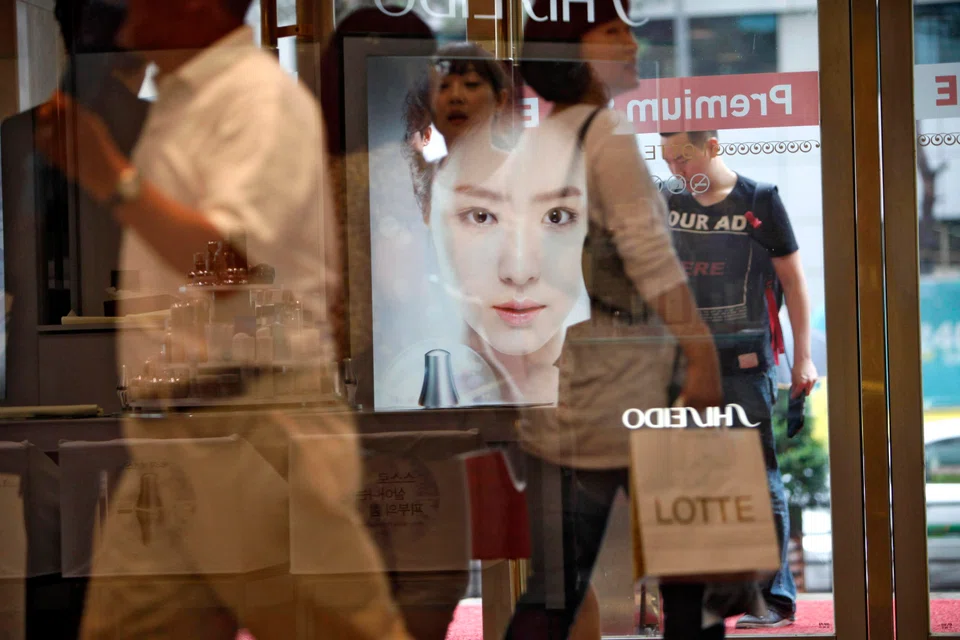
Asian obsessions about looks reveal the size of the potential market. As the World Population Review notes, Japan, Taiwan and South Korea top the list for plastic surgery among East Asians.
South Koreans reportedly spent US$1.7 billion in 2024 on nose jobs, liposuction and reshaping their eyes. There are no comparable figures freely available for China but anecdotal evidence suggests a burgeoning industry in the country.
In India, the skin-lightening products market is estimated at US$8 billion. Skin tone is an indication of a person’s place in the hierarchy of its caste-ridden society. The fairer you are, the higher your status.
The World Health Organization projected in 2023 that the demand for skin-lightening products will grow to US$11.8 billion by 2026. All this expense, in pursuit of beauty.
How much more will people be prepared to pay for the promise of progeny, who will not only look like the dream versions of themselves, but be smarter than their peers at school?
The lure would be irresistible.
The sky is the limit when profit motive meets human vanity. Ready or not, expect this brave new world of “genetic optimisation” to come to a clinic near you.