

Community-centred approaches are key to a just energy transition
Listening, understanding and responding to the needs of stakeholders directly impacted by renewable energy projects can directly address challenges that arise
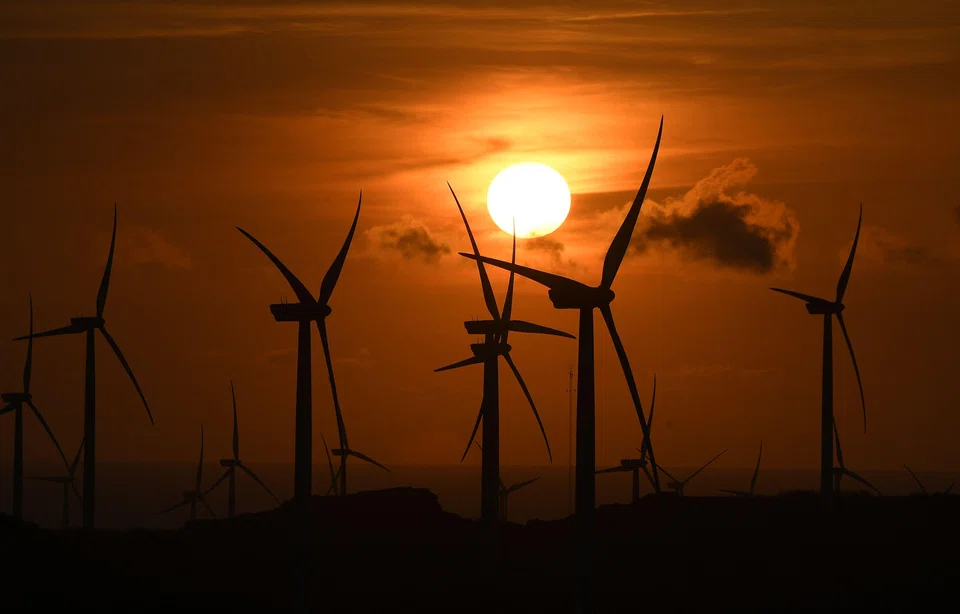
THE energy system is at a pivotal crossroads. On one hand, renewable energy (RE) offers an array of benefits: it has the potential to dramatically cut greenhouse gas emissions; expand access to affordable, clean energy for all; create jobs; and help economies and societies thrive in the long term.
Yet, the rapid scaling of RE, if not managed properly, risks exacerbating environmental degradation and perpetuating social inequities and human rights abuses, either directly or through its supply chain. The emerging energy system could thus replicate the negative impacts of its incumbent.
In tandem, the concept of a “just transition” is gaining traction, with governments, businesses and civil society alike waking up to the risk – and growing reality – of people and communities being left behind in a changing world.
TRENDING NOW
Can a first-time homebuyer couple earning S$18,000 a month afford a new EC unit?

He built the Vingroup empire. Now South-east Asia’s richest man is handing some key roles to his sons

Asia needs new energy security architecture

Chagee, Mixue and Luckin won the market. Sustaining their edge is the harder part

