Considerations for SGX from Bursa Malaysia’s success
The Singapore bourse has been at a crucial juncture over the past few years, facing challenges in attracting new listings, IPOs and maintaining market liquidity
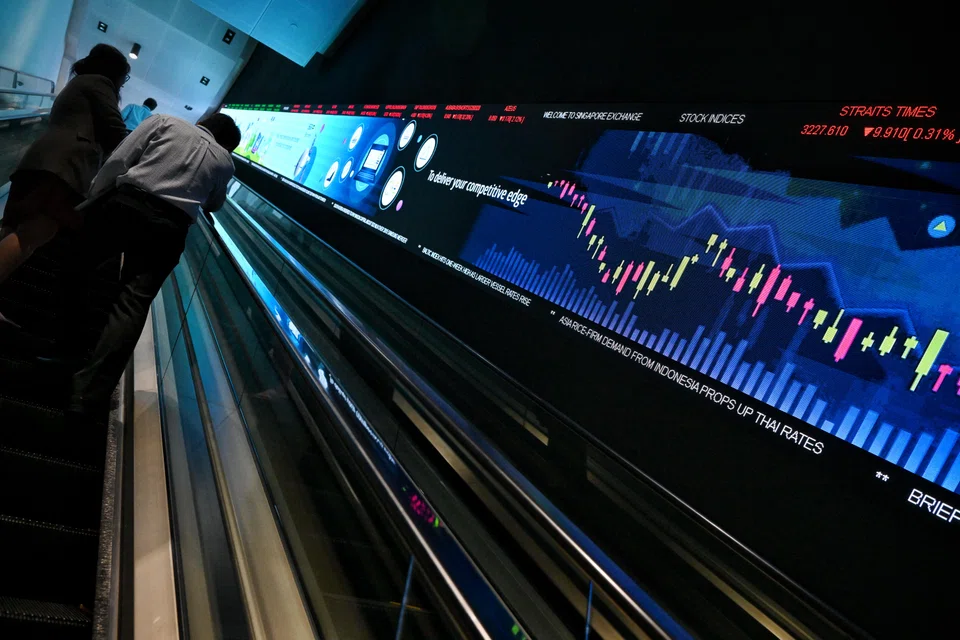
IN THE first half of FY2024, only one new initial public offering (IPO) was successfully listed on Singapore Exchange (SGX). However, in September 2024, SGX saw three companies lodge their offer documents. Could this signify a turning point for the Singapore bourse?
SGX has been at a crucial juncture over the past few years, facing challenges in attracting new listings, IPOs and maintaining market liquidity. The formation of a review group in August by SGX and the Monetary Authority of Singapore (MAS) to strengthen and revitalise the equities market underscores the urgency of addressing these issues.
Recent comments by Transport Minister Chee Hong Tat, who is also second minister for finance and deputy chairman of MAS as well as chairperson of the SGX-MAS review group, have highlighted that instead of going head-on with the larger exchanges, SGX should identify areas where Singapore can add value by playing to its strengths.
Nevertheless, there are external market forces at play. Sustaining a September rally will entail other pivotal forces beyond the exchange’s control, such as investor sentiment and mindset, especially that of the younger generation, and the nature of capital markets beyond fundamentals.
As other exchanges are also grappling with similar challenges of stock market vibrancy, it bodes well to consider other bourses with success stories.
Our closest neighbour, Bursa Malaysia, showcases several strategies that SGX could consider adopting to revitalise its equity market and improve its overall performance.
While Chee’s comments on MAS’ readiness to implement bold changes to revive Singapore’s equities market are promising, these changes will take time to materialise. In the short term, Bursa will continue to thrive as a vibrant market.
Market comparison
In recent years, Bursa has outperformed SGX in several key areas, particularly in IPO activity, market liquidity, and overall market growth.
The average daily trading value of Bursa reached RM3.3 billion (S$1 billion) in the first half of 2024, compared to SGX’s S$1.2 billion for the same period. Bursa saw 32 new listings in 2023, while SGX managed only seven.
Market capitalisation further underscores this gap, with Bursa exceeding RM2 trillion by mid-2024, while SGX’s total market capitalisation stood at S$792 million, which amounted to a 2 per cent year-on-year decline. The figures for Bursa clearly reflect investor confidence and market performance.
Bursa derives 65 per cent of its revenue from equity markets. In contrast, SGX’s reliance on non-equity products means that only 29 per cent of its total revenue comes from equity markets. This raises the question of whether SGX should recalibrate its focus to increase its reliance on equity markets, or continue to leverage its diversified revenue streams from derivatives and other sophisticated instruments.
SGX’s stringent regulatory approach and lower valuations have led many companies to prefer listing on Bursa, where they can achieve higher valuations while enjoying lower listing costs compared to the Singapore bourse.
For example, anecdotal evidence shows clients with a price-to-earnings ratio of six to eight times here compared to 25 times with Bursa Malaysia. This discrepancy in valuations, partly driven by stronger market liquidity in Malaysia, points to the need for SGX to reassess its approach to attract more high-profile new listings and IPOs.
The ability to offer competitive valuations is crucial for attracting companies, and SGX will need a multi-pronged approach to align more closely with market expectations.
Considerations for SGX
1) Enhancing domestic liquidity: SGX’s market liquidity issues will not be resolved via any one single solution. Bursa’s market turnover ratio has consistently been high, at 42 per cent in mid-2024, compared to SGX’s 39 per cent.
The lack of direct Central Provident Fund investment in SGX has been a limiting factor for liquidity in the Singapore market, unlike in Malaysia where its Employees Provident Fund (EPF) accounts for 12 per cent of the market cap of the FTSE Bursa Malaysia Top 100 Index.
The role of government and institutional investors in driving market liquidity cannot be overstated. Along with EPF, other Malaysian institutional investors such as Permodalan Nasional and Kumpulan Wang Persaraan (Diperbadankan) play a crucial role in maintaining liquidity in Bursa.
This level of domestic institutional support is something SGX currently lacks, limiting its ability to attract large-scale new listings and IPOs and sustain market liquidity.
To address these issues, SGX may need to increase retail investor participation by simplifying access to trading platforms, offering incentives, and providing education and engagement initiatives. This can help boost trading volumes and liquidity, making the market more dynamic and inclusive.
Additionally, wooing more high-quality companies to list on SGX through targeted outreach can attract investor interest and increase trading activity. By facilitating IPOs for companies with strong growth potential, SGX could enhance its market performance and liquidity.
2) Streamlining IPO processes and regulatory flexibility: Bursa’s streamlined new listings and IPO processes have significantly contributed to its success. Its Ace Market has benefited from a more efficient regulatory environment, allowing quicker approvals and attracting a broader range of companies.
In 2023, Bursa saw 32 new listings and IPOs, including 24 new listings and IPOs on Ace Market, compared to SGX’s seven. This raises the question of whether SGX should revise its IPO approval processes to accommodate innovative but currently loss-making sectors, as Bursa has done.
SGX’s rigid regulatory approach has been a hurdle, especially for companies in high-growth sectors. In contrast, despite current losses, Bursa’s willingness to accept companies with strong future potential has attracted a broader range of listings.
SGX could benefit from revising its IPO processes to accommodate innovative but currently loss-making sectors, similar to Bursa’s approach in industries such as healthcare and technology.
3) Government support and strategic focus: The Malaysian government’s active role in supporting the local market has been instrumental in Bursa’s success. Investments from EPF and other institutional funds account for a significant portion of Bursa’s market cap.
Singapore’s approach has been markedly different, with less direct government participation in SGX. As SGX navigates these challenges, there may be opportunities for the Singapore government to provide more targeted support, such as through tax incentives or easing compliance requirements, to attract more companies to list on SGX.
4) Leveraging IPOs for branding: Beyond immediate financial benefits, successful IPOs are powerful branding tools that elevate an exchange’s visibility and reputation. Bursa’s steady stream of IPOs has not only bolstered its market activity, but also positioned it as a thriving financial hub in the region.
For SGX, enhancing its appeal as a listing destination through a strong IPO pipeline could create a ripple effect, attracting more companies and boosting overall market confidence. By recognising the branding potential of IPOs, SGX can position itself for sustained growth and increased market relevance.
As SGX reflects on its current challenges, the experiences of Bursa offer valuable lessons. While the two exchanges operate in different contexts and environments, SGX could consider several strategies to revitalise its equity market.
From recalibrating its business model to enhancing liquidity and streamlining IPO processes, these considerations could help pave the way for SGX’s future success. The recommendations from the review group are expected within a year, but it is clear that proactive measures will be essential for SGX to remain competitive in the global market.
Ooi Chee Keong is partner and head of capital markets at Forvis Mazars in Singapore, and Lee Soo Eng is partner and head of audit at Forvis Mazars in Malaysia