COP28: S-E Asia faces both hurdles and opportunities
The conference is still another chance, as messy as it may be, for countries to find common ground
THE upcoming United Nations climate summit (COP28) will be critical for South-east Asia. The region, home to over 600 million people, is rich in biodiversity, but also increasingly vulnerable to the effects of climate change. Both decarbonisation and climate adaptation efforts need to be stepped up in this region simultaneously.
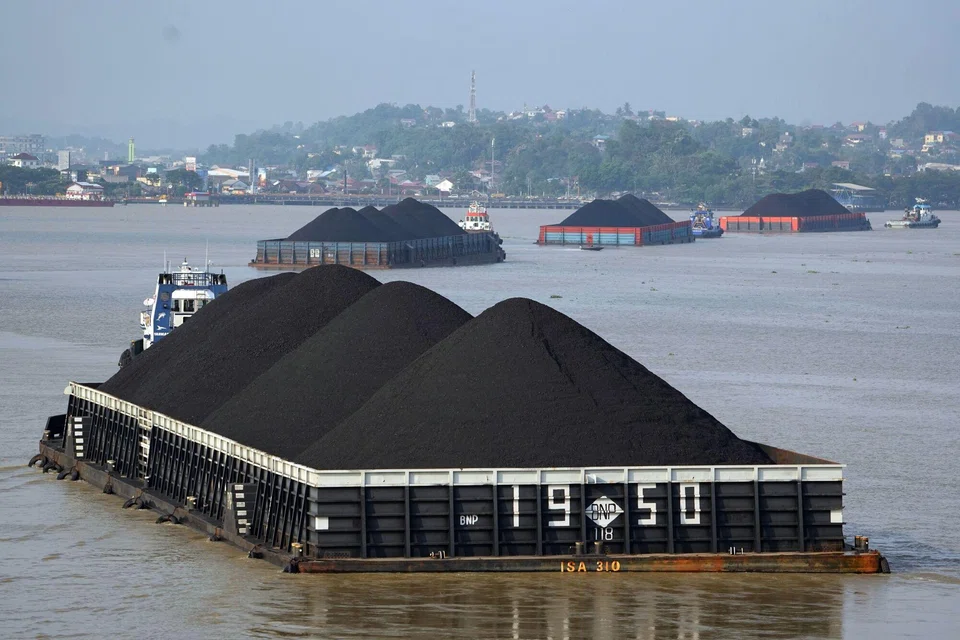
The energy transition will be a key topic at COP28. The world urgently needs to wean off fossil fuels, but this has been difficult with soaring inflation. South-east Asia especially is in a tough position: coal is king in the region, generating about 60 per cent of Indonesia’s electricity. In Vietnam, thermal coal imports hit a three-year high in mid-2023, as air-conditioner use spiked during a brutal heatwave.
Shifting from coal to cleaner energy sources will be painful, considering that the region has coal plants that are relatively young or still in the pipeline to be built. To phase down coal assets, South-east Asian countries will also need to be assured that the rest of the world is going to decarbonise in tandem, an expert from consulting firm BCG recently told The Business Times. COP28 is a vital forum for the region to build consensus around this transition and set realistic targets.
There are a host of other sticky issues for South-east Asian countries to untangle at COP28 – from coping with rising sea levels to hashing out details of the “loss and damage” fund, an initiative meant to help poor nations facing climate disasters. There is no shortage of controversy around the question of who pays for such initiatives. Carbon credits, a financial instrument that unfortunately has become mired in scandals, may also be a flashpoint in discussions.
While the challenges are overwhelming, there are also opportunities that South-east Asia can seize.
Indonesia, for instance, is blessed with rich nickel reserves, a key “green metal” needed to power electric vehicles (EVs) and other sustainable innovations.
The country has been focused on harnessing its reserves to create higher value materials, such as inputs for EV batteries, while following green principles in production. There is room for Indonesia and other South-east Asian countries to be more involved in joining the supply chain for sustainable energy.
Inter-country energy linkages can also be strengthened. Malaysia’s Sarawak state, for instance, was reported to be in talks to supply Singapore with up to one gigawatt of renewable energy by 2032. The energy would be mainly from hydropower and supplied via submarine cables. Hopefully, more of such energy linkages could happen when climate negotiators come together.
It is easy to get a little blase about the annual COP gatherings, and overall pessimistic about the fight against global warming. Research suggests that the world is not on track to limit the rise in global temperatures to 1.5 degree Celsius. Geopolitics has complicated efforts and, on the ground, the backlash against climate policies is growing.
Yet the conference is still another chance – as messy as it may be – to find common ground on the existential threat of climate change. South-east Asia could benefit immensely from putting up a united front to make its voice heard.