

Could more human-like AI undermine trust?
Designing modern AI in a way that makes it appear to have more agency could backfire by making people trust the technology less
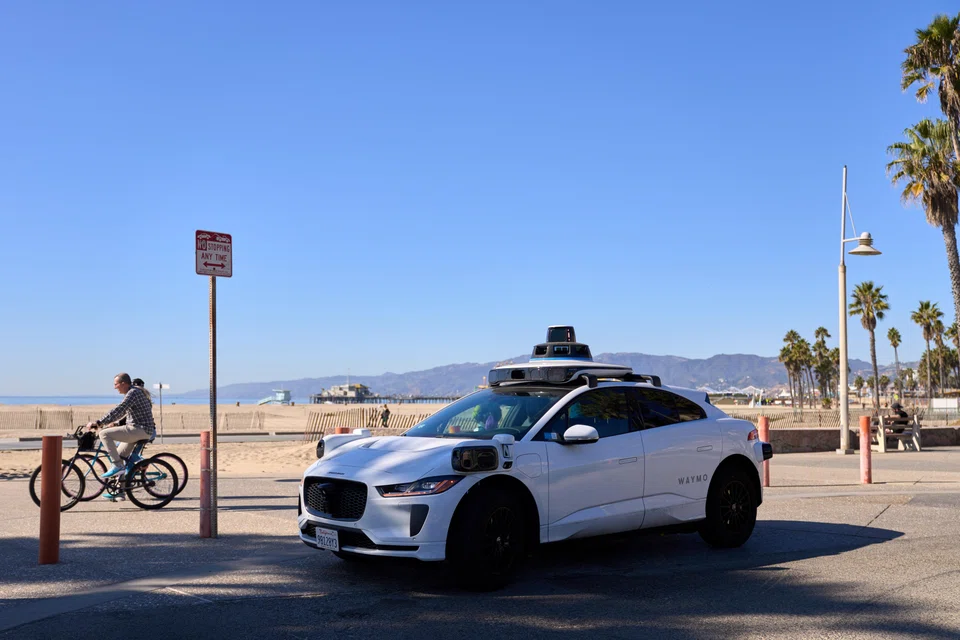
FROM virtual assistants to self-driving cars to medical imaging analysis, the use of modern artificial intelligence (AI) technologies based on deep-learning architectures has increased dramatically in recent years. But what makes us put our faith in such technologies to, say, get us safely to our destination without running off the road? And why do we perceive some forms of AI to be more trustworthy than others?
It may depend on how much agency we believe the technology possesses. Modern AI systems are often perceived as agentic (that is, displaying the capacity to think, plan and act) to varying degrees. In our research, recently published in Academy of Management Review, we explore how different levels of perceived agency can affect human trust in AI.
Modern AI appears agentic
The perception of agency is crucial for trust. In human relationships, trust is built on the belief that the individual you place your trust in can act independently and make their own choices.
TRENDING NOW

One-third of Singapore-listed firms at risk in severe AI downturn: MAS

‘Not done’: Keppel CEO Loh Chin Hua transformed the group, but says there’s ‘still a lot to do’

He built the Vingroup empire. Now South-east Asia’s richest man is handing some key roles to his sons

‘We don’t want to stay as we are’: CEO Patrick Ng builds a more resilient Huationg

