

The crypto bros are fast becoming unbankable
Regulators are right to widen the firebreak between the traditional banking system and decentralised finance
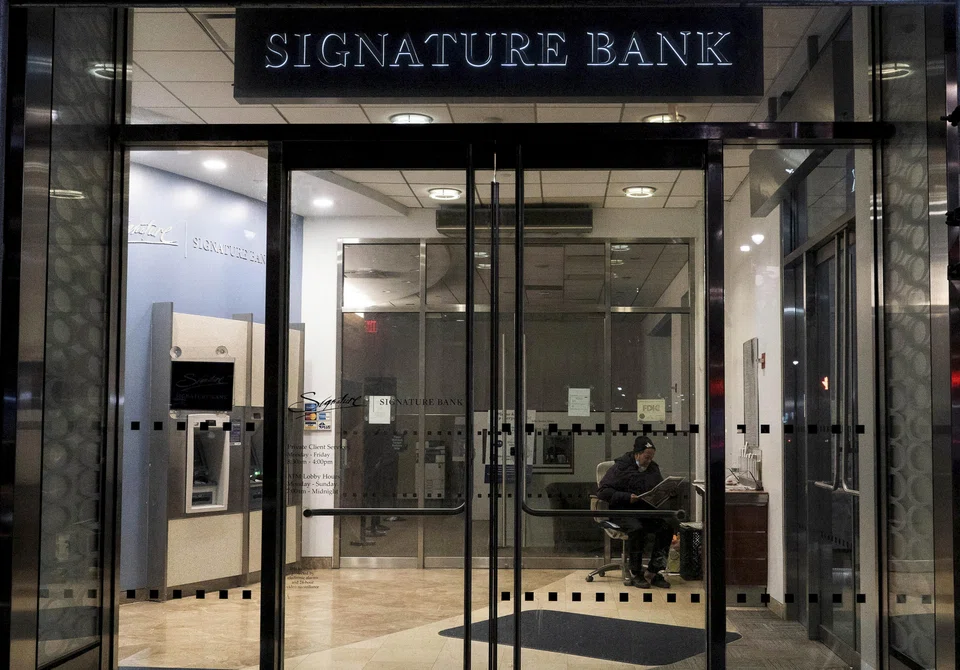
CRYPTO bros are quite literally becoming bankless and unbankable. By abruptly bundling crypto-friendly Signature Bank – one of the last of its kind – into receivership amid an extraordinary weekend operation to backstop the US banking system, regulators are sending a message that volatile tokens and decentralised finance need to be kept far away from traditional finance.
Given echoes of the global financial crisis and with market jitters spreading around the world, that’s no bad thing.
Regulators have been warning for some time of the myriad crypto risks seeping into the mainstream banking system, comparing them directly to the US$1.3 trillion subprime mortgage market that incentivised greed, exploited regulatory arbitrage and eventually led to the 2008 economic meltdown.
A first warning shot was fired by banking watchdogs in a joint declaration in January, weeks after the epic collapse of FTX battered crypto markets. They promised more scrutiny over issues including unstable deposit flows, poor legal compliance, concentration and counterparty risk.
The past week’s events showed they were right to worry. The first domino to topple, Silvergate Capital, shows some lenders were recklessly chasing growth where bigger rivals feared to tread.
Like Signature, Silvergate offered a popular on- and off-ramp between fiat and crypto payments, which had accumulated US$11.9 billion in digital deposits by September 2022. But those customers ended up being fair-weather friends when the post-FTX meltdown hit and regulatory scrutiny rose, and they yanked their deposits – tipping the bank into liquidation.
Signature might have met the same fate. It, too, had made a costly expansion in crypto and faced hot water over FTX’s use of its Signet payments ramp, with its exposure to flighty crypto deposits set to drop by US$3 billion to US$5 billion this year. Heading into the weekend, deposits were already flying out the door, the New York Times reported.
The swiftness with which regulators stepped in looks like an explicit bid to avoid another crypto-related blow-up – and sends a signal to the crypto industry.
Suddenly, all sorts of players have had to adjust to life without their usual banking partners: Coinbase Global, the US’ biggest crypto exchange, says it had a US$240 million balance at Signature, while ex-Binance partner Paxos Global had US$250 million.
The common thread here is that crypto is a “new element” – destabilising finance and effectively accelerating and multiplying bank runs – that wasn’t there in 2008, as Signature board member Barney Frank told Bloomberg News.
It even had a role to play in Silicon Valley Bank’s (SVB) collapse, alongside broader issues such as concentration risk within the venture-capital community and badly managed interest-rate risk.
When stablecoin customer Circle tried to unsuccessfully yank US$3.3 billion in cash from SVB on Thursday (Mar 9), the spillover effects hit broader crypto markets. Notable crypto cheerleader Peter Thiel, who was a victim of Silvergate’s bank run, was quick to warn his portfolio companies of a similar risk brewing at SVB.
The upshot of regulatory intervention is that, as Bloomberg Intelligence analyst Herman Chan puts it, crypto companies are now being disenfranchised from the US banking system. “There’s a desire to reduce risk in the system,” he says. “The crypto winter reinforces that.”
After a pandemic peak in enthusiasm for dragging crypto onshore in America, the huddled masses clutching their virtual tokens are now having to dig deep to find new banking partners – or go abroad to light-touch havens such as the Bahamas. Even as banking giant HSBC Holdings takes over SVB’s UK operations, it’s hard to imagine bulge-bracket banks champing at the bit to bank crypto firms right now.
There’s no guarantee that other jurisdictions will be always as welcoming. Clearly, some crypto investors are comfortable with life in the shadows: Bitcoin’s price has bounced back from the weekend jitters, and stablecoin Tether – which has been cagey about its reserves – also got a fillip.
But this looks like more evidence that crypto is losing a battle with authorities who feel they’ve already been outpaced on several fintech fronts, and are now trying to stuff as much of the genie back in the bottle as they can. Crypto hasn’t yet caused a real-world economic meltdown – but regulators are right not to let this crisis go to waste. BLOOMBERG
TRENDING NOW

Who is Leo KoGuan, the Singapore-based billionaire backing Nvidia’s Jensen Huang?

Demand, tech capabilities position Apac and AI as Skyscanner’s next growth frontiers: CEO Bryan Batista

Higher rates, weaker spending: Is the Philippines entering stagflation?

South-east Asia has lost Nvidia’s best salesman

