

The dangers of pandemic amnesia
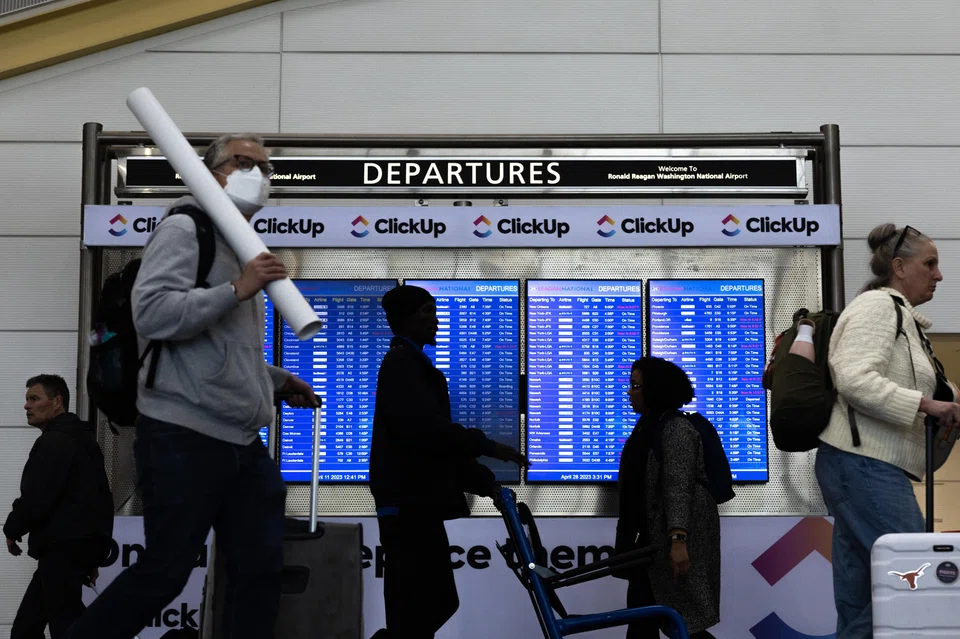
THE World Health Organization (WHO) has just declared an end to the Covid-19 emergency after three years and 20 million deaths. Even before this, most countries have eased restrictions and international travel has resumed. The region’s largest economies, China and Japan, changed their cautious Covid-19 policies by end-2022. Moving on from the pandemic is a priority.
Yet Covid-19 case numbers have resurged across parts of Asia, including India, South Korea, Vietnam, Malaysia and Singapore. Thankfully, reported mortality and intensive-care cases indicate a less dangerous strain. No country has returned to lockdowns, although some give guidance to mask up in crowded areas and on public transport.
There is no panic. Instead, the danger may be “pandemic amnesia”. A growing apathy about safeguards is showing. In a recent survey, more than 35 per cent of Singaporeans have no intention to take additional vaccinations. Anecdotal evidence also suggests that in many countries, few wear masks, even in crowded areas.
TRENDING NOW
LTA proposes combining car COE categories, adding rebate-surcharge system

StarHub to acquire MyRepublic’s mobile business amid ongoing telco consolidation

DBS, OCBC, UOB rout lops billions off STI as inflation, rate concerns spook investors

Grab CEO’s wife Chloe Tong on life with Anthony Tan and finding her purpose

