

Deep-sea mining may soon ease the world’s battery-metal shortage
Taking nickel from rainforests destroys 30 times more life than getting it from the depths
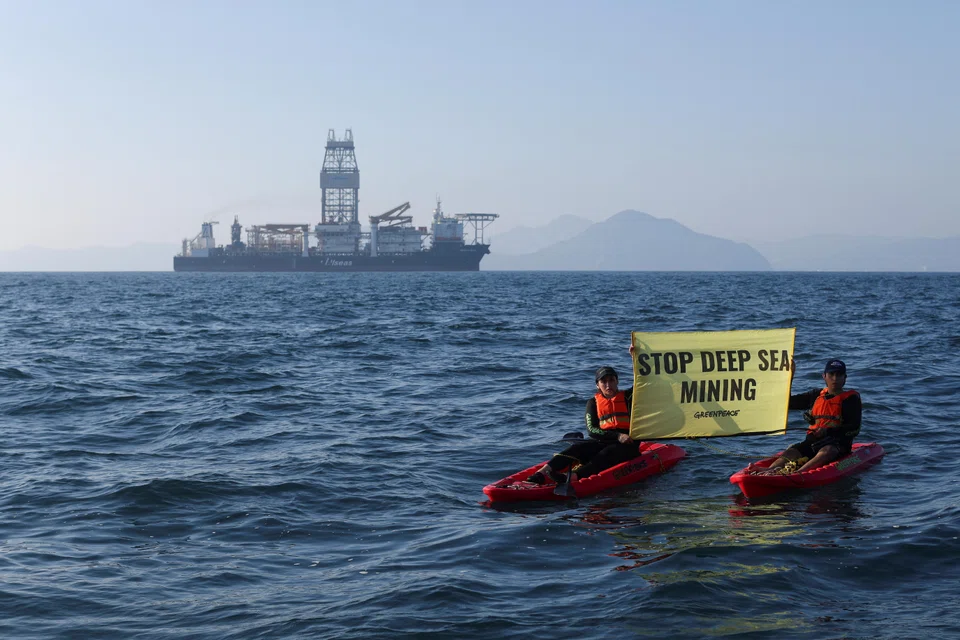
PUSHED by the threat of climate change, rich countries are embarking on a grand electrification project. Britain, France and Norway, among others, plan to ban the sale of new internal-combustion cars over the coming decade. Even where bans are not on the statute books, electric-car sales are growing rapidly. Power grids are changing, too, as wind turbines and solar panels displace fossil-fuelled power plants. The International Energy Agency (IEA) reckons the world will add as much renewable power in the coming five years as it did in the past 20.
All that means batteries, and lots of them – both to propel the cars and to store energy from intermittent renewable power stations. Demand for the minerals from which those batteries are made is soaring. Nickel in particular is in short supply. The element is used in the cathodes of high-performance electric-car batteries to boost capacity and cut weight. The IEA calculates that, if it is to meet its decarbonisation goals, the world will need to produce 48 million tonnes of the stuff every year by 2040, around 19 times more than it manages today. That adds up to between 300 million and 400 million tonnes of metal in total between now and then.
Over the past five years, the majority of the growth in demand has been met by Indonesia, which has been bulldozing rainforests to get at the ore beneath. In 2017, the country produced just 17 per cent of the world’s nickel, according to CRU, a metals research firm. Today it is responsible for 54 per cent, or 1.6 million tonnes a year, and that number is still rising. CRU thinks the country will account for 85 per cent of global production growth between now and 2027. Even so, that is unlikely to be enough to meet the world’s rising demand. And as Indonesian nickel production increases, it is expected to replace palm-oil production as the primary cause of deforestation in the country.
TRENDING NOW
One-third of Singapore-listed firms at risk in severe AI downturn: MAS
‘Not done’: Keppel CEO Loh Chin Hua transformed the group, but says there’s ‘still a lot to do’

He built the Vingroup empire. Now South-east Asia’s richest man is handing some key roles to his sons
‘We don’t want to stay as we are’: CEO Patrick Ng builds a more resilient Huationg

