Disruptions to food trade hold bleak lessons for importers
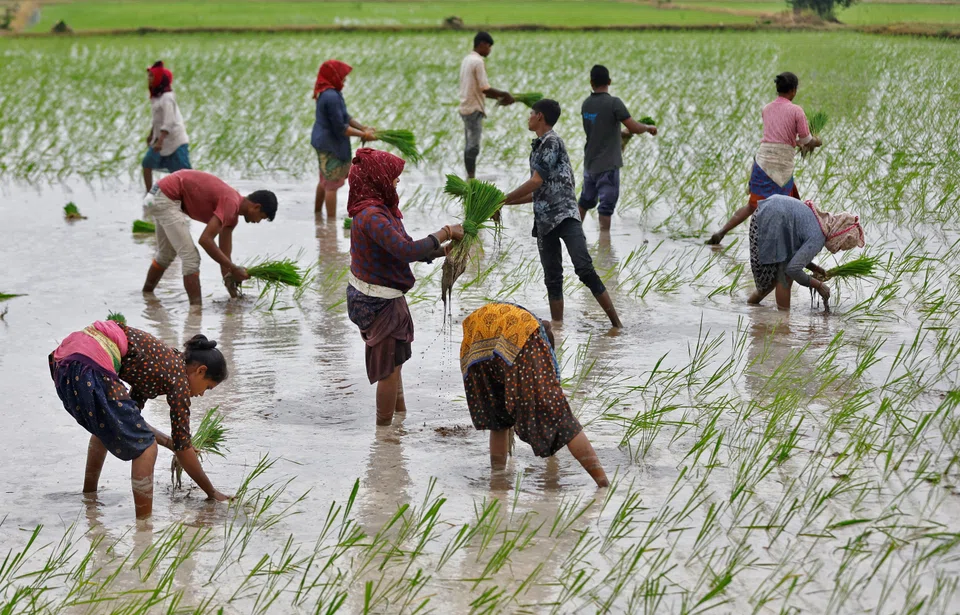
THERE was an air of inevitability about India’s decision to restrict exports of most grades of rice. Domestic prices of the staple had been rising just as the election cycle was starting to heat up. Up until the ban in late July, India was the biggest player in the global rice market, accounting for nearly 40 per cent of the traded commodity. As a result of Delhi’s decision, the world price has risen by about 20 per cent. But worse may follow as Thailand, Vietnam and Pakistan, which collectively account for another 30 per cent of the global rice trade, also look to restraining exports.
All these rice producers fear the El Nino weather phenomenon has returned after an absence of seven years. El Nino is caused by warming of surface waters in the eastern Pacific that leads to extraordinary amounts of rainfall, resulting in floods in some regions and droughts in others. The fear is that a major weather event may push up domestic food prices even further. Prices are already under pressure from shortfalls of other food grains because of the Ukraine war.
High food prices have the potential to cause political disruption, and every government rationally seeks to pre-empt potential problems. Unfortunately, all this means that the food-importing countries, especially those in Africa that hold no buffer stocks, are going to suffer. They depend on imports to feed their populations.