

Does airline loyalty pay? Frequent fliers take off for more rewarding horizons
With carriers often moving the goal posts, accruing miles may no longer be a travel hack

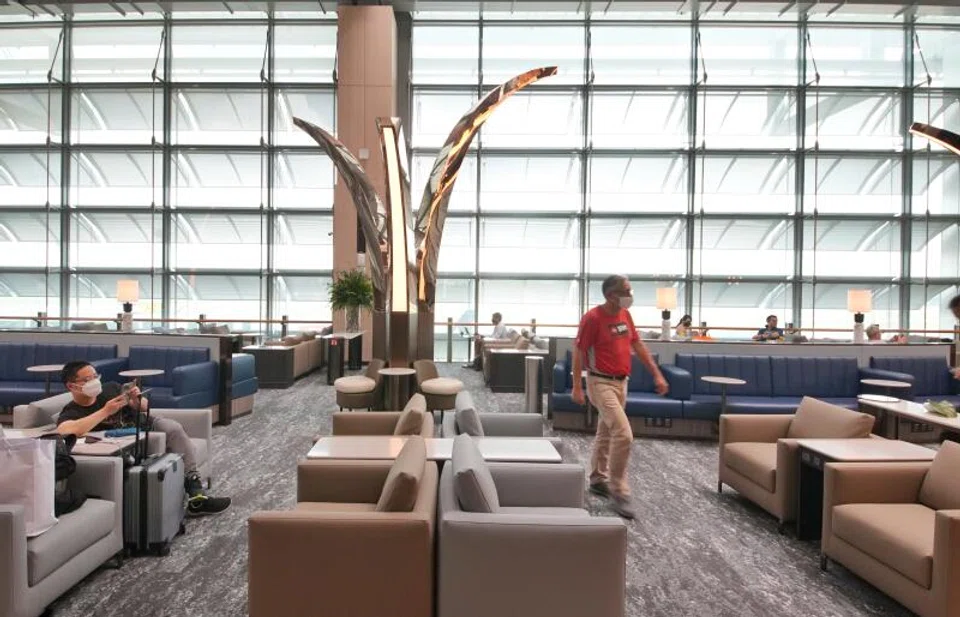
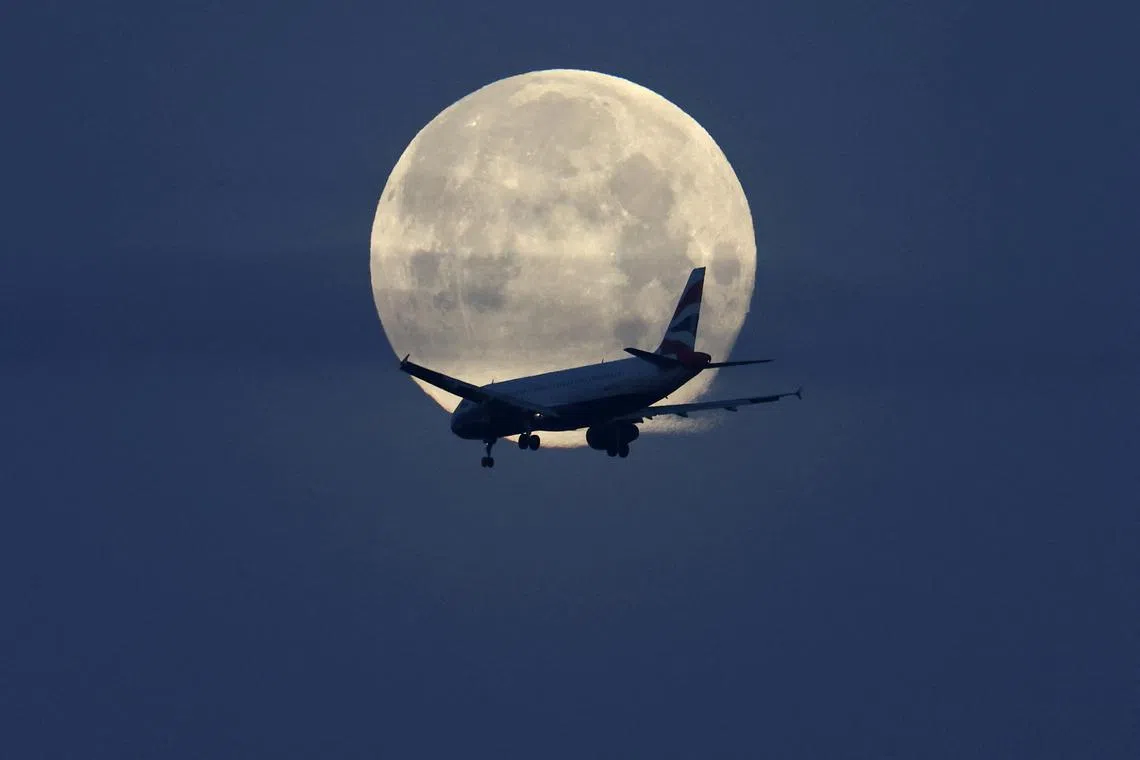
THE backlash British Airways recently faced for instituting changes to its frequent flier programme has forced the airline to revoke some of the adjustments to appease irate customers.
Their anger stemmed from the fact that they had to fork out more money every year to maintain their membership, since the change bases their status on amount spent rather than miles flown with the carrier.
As a result, British Airways changed just its Gold rank requirement to be spending-based, and kept the two lower tiers as distance-based.
Neither the airline nor the customers’ reaction is isolated. Singapore Airlines (SIA), too, changes the criteria for its KrisFlyer programme every now and then – at times incurring so much wrath from its patrons that it nearly became the subject of a class action lawsuit in 2007.
While some customers check into airline loyalty programmes every year, there are also disillusioned travellers leaving them – after realising this marketing tactic is not for everyone.
Dwindling loyalty perks
Aaron Wong, who founded travel hack website The MileLion a decade ago, notes that whether it still makes sense to be loyal to a particular airline is a popular discussion topic in the frequent flier community.
Wong himself is a supplementary cardholder of SIA’s most prestigious loyalty rank, the Solitaire PPS Club. He recently helped to defray the S$25,000 minimum travel spend required each year to maintain the membership, which belongs to his father – as a supplementary member, he also gets to reap the benefits.
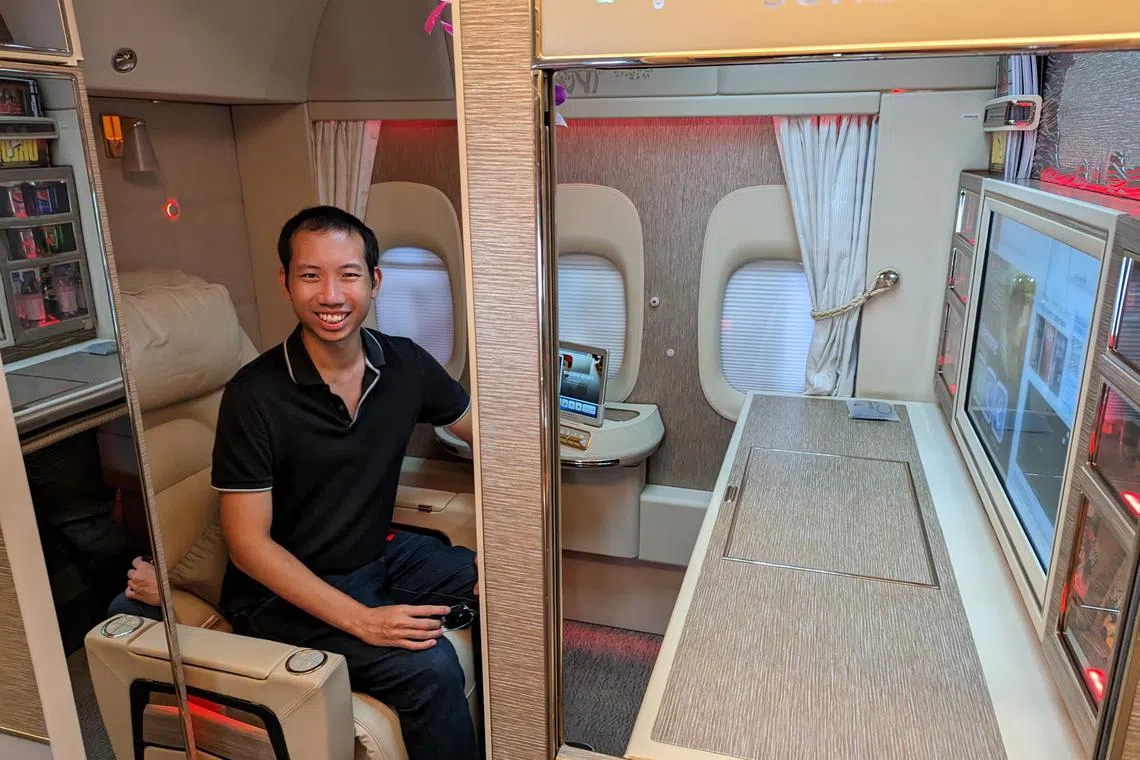
Besides adding extra cardholders, this creme de la creme of customers enjoys special check-in services at Changi Airport and first class check-in reception regardless of cabin class.
Their perks also include worldwide access to the airport lounges of SIA and its alliance partners, more generous check-in baggage allowance, priority boarding and baggage handling, as well as invitation to members-only events.
Solitaire PPS Club membership was valid for a lifetime until 2007, when the carrier decided to make its most “valued” customers earn their place in the programme every year. Then in 2018, SIA raised the minimum annual spending requirement to S$50,000 for those who had attained Solitaire status only after May 31 that year.
PPS Club, meanwhile, is a rung lower than Solitaire and requires travellers to spend at least S$25,000 a year to qualify for, or renew, membership.
Only fliers of SIA Suites, first class and business class are eligible for these memberships.
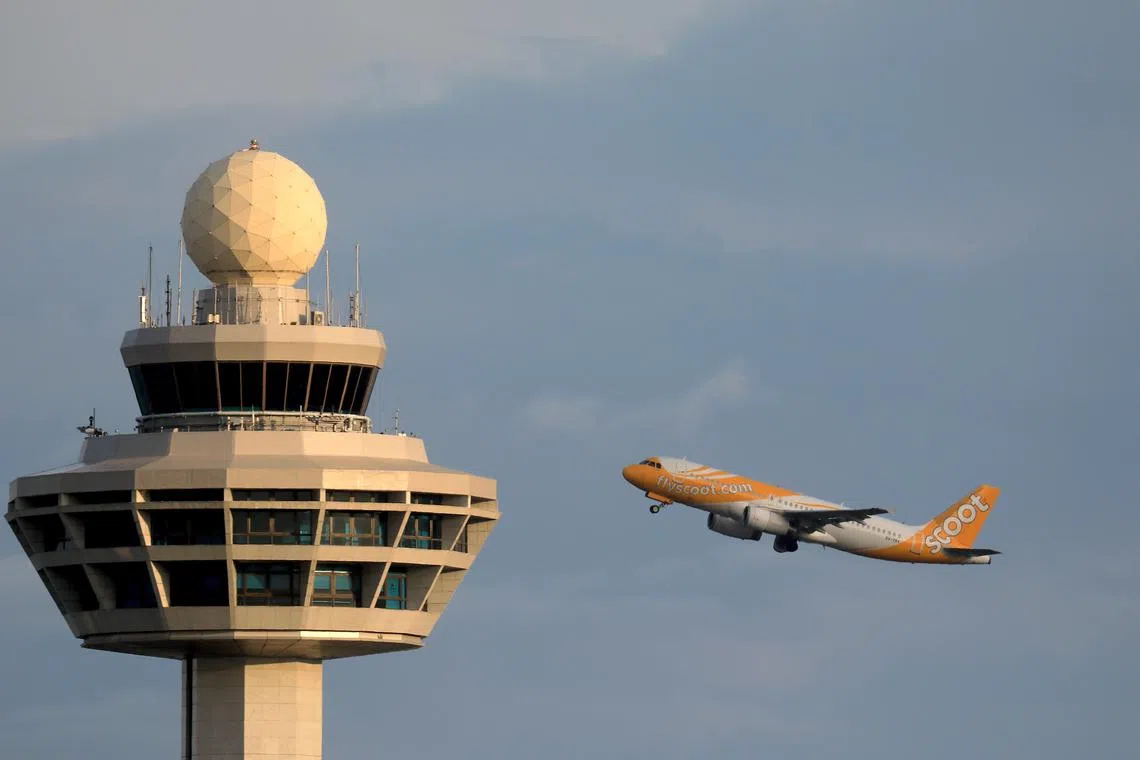
Travellers flying economy or premium economy, or redeeming miles through SIA’s partners and credit card issuing banks, can join only the KrisFlyer programme. They can earn miles and Elite miles by flying with the carrier, its budget airline Scoot, and airline partners.
Wong has attained KrisFlyer’s top-tier status, Elite Gold, as well. However, he did this through credit card spending during the Covid-19 pandemic, when it was temporarily possible to earn Elite miles from credit card point transfers and other on-ground activities.
Now, SIA permits the accumulation of Elite miles solely through flying with it, Scoot, and selected partners. Elite miles count towards achieving KrisFlyer’s Elite Silver and Elite Gold tiers.
The argument for being loyal to an airline was much stronger over a decade ago, Wong believes, because airlines did offer valuable benefits to members who were at the top of the ladder.
For instance, while SIA’s change to the Solitaire PPS Club structure did not affect customers who had already achieved lifetime membership, those who were near the pinnacle were up in arms. A group of high-profile businessmen and professionals even threatened to bring the carrier to court over this.
One former banker even cited a divorce case in his interview with The Business Times, in which the wife wanted the lifetime membership as part of the settlement terms. “We paid a premium to fly SIA in the belief – now mistaken – that we would eventually reach Shangri-La,” the banker said.
SIA, however, was not fazed by a possible legal challenge. Citing its escape clause, it said at the time: “The terms and conditions of the programme allow SIA to change any of the criteria at our sole discretion.”
Changing mindsets
In recent years, airlines – especially those in the United States – have become very good at monetising the benefits offered to elite frequent fliers, Wong notes. One example is selling the unsold seats in higher-class cabins as upgrades, rather than giving top-tier members the enhancements for free.
These members have come to realise that they might as well go for the cheapest flight, or try obtaining a cheap upgrade.
“Therefore, I don’t need to clock however many thousands of miles (anymore), because my loyalty is no longer being rewarded as duly as it was before,” says Wong.
“And that’s a common thing you’ll find throughout the industry – that a lot of elite members are disillusioned because airlines are constantly moving the goal posts.”
They make it even harder to qualify by including minimum spending in the criteria, he adds.
For the Average Joe striving for the premier rank through his own personal trips, the pursuit is probably no longer worth it.
Says Wong: “The average traveller will probably not benefit by going out of their way to qualify for elite status. If you’re travelling a couple of times each year, you’d tend to be better off just picking the cheapest airline, or the one that suits your schedule best, rather than restricting your options for loyalty’s sake.”
One such person is a former technical programme manager who became a frequent flier with SIA in 2001 and achieved Elite Gold status, thanks to a round-trip business class flight to the United States.
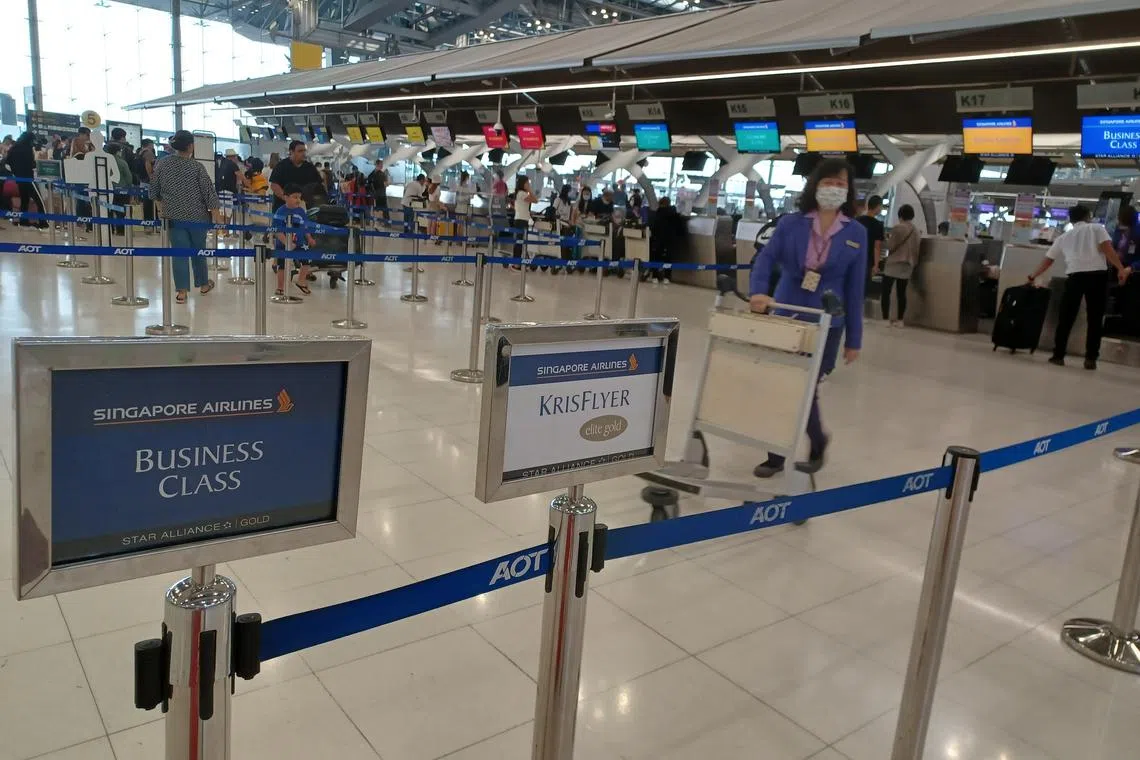
This membership tier requires earning at least 50,000 Elite miles within 12 months, and comes with perks such as access to airport lounges worldwide – even when the member flies in premium economy or economy class – priority check-in and boarding, as well as extra baggage allowance.
To maintain the status, members have to earn another 50,000 Elite miles each year – or 25,000 for Elite Silver, which offers benefits including priority check-in and boarding, as well as extra baggage allowance.
Since he did not travel as much in the subsequent years, his status was downgraded to Elite Silver. But recently, he was one flight or about 2,500 miles short of qualifying for the Gold tier by Dec 31.
He had intended to fly just to attain the higher rank, but could not make the trip. He claims that SIA declined to extend the qualification period by three months.
“I was eagerly looking to get Gold status again so that I could enjoy the KrisFlyer lounge at Changi Airport,” he says.
Now, he is in between jobs and might not even be able to keep his Elite Silver membership. “I will miss the priority boarding,” he laments.
To give a clearer picture of these frequent flier miles, the actual distance flown from Singapore to Tokyo’s Narita Airport is 6,658 miles – but only travellers on SIA’s “flexi” economy class will accrue this mileage for a round-trip. Those in the lower sub-categories of economy class will earn as little as half this amount.
The better way to redeem upgrades or free flight tickets is through the collection of air miles from credit cards or other spending, says The MileLion’s Wong.
Competitive edge
Changes in airlines’ membership criteria do not usually affect corporate travellers whose employers pay for their fares, and their elite frequent flier status is a byproduct of their work.
“I think the appeal has definitely become a lot more niche,” notes Wong.
Rico Merkert, a professor of transportation at the University of Sydney, says that frequent fliers, especially those who travel in premium cabin classes, tend to value the miles more, as they give them – and often, their families – access to airport lounges, free seat selection, and other perks.
“While things are getting more difficult, the free flights and other things that can be purchased with frequent flier points and miles are still there – they just cost more, (like everything else) in today’s inflationary environment,” he says.
Therefore, these loyalty programmes “will remain the strongest asset and hidden competitive advantage of full-service carriers such as Singapore Airlines and Qantas”, he adds.
The evolution of SIA’s frequent flier programme demonstrates this. Now in its 26th year, KrisFlyer has developed into a rewards platform. Joining it costs nothing, and membership offers travellers free Wi-Fi on most SIA planes.
Besides cultivating customer loyalty, KrisFlyer also generates revenue by selling miles to its programme partners, which then issue them to their customers.
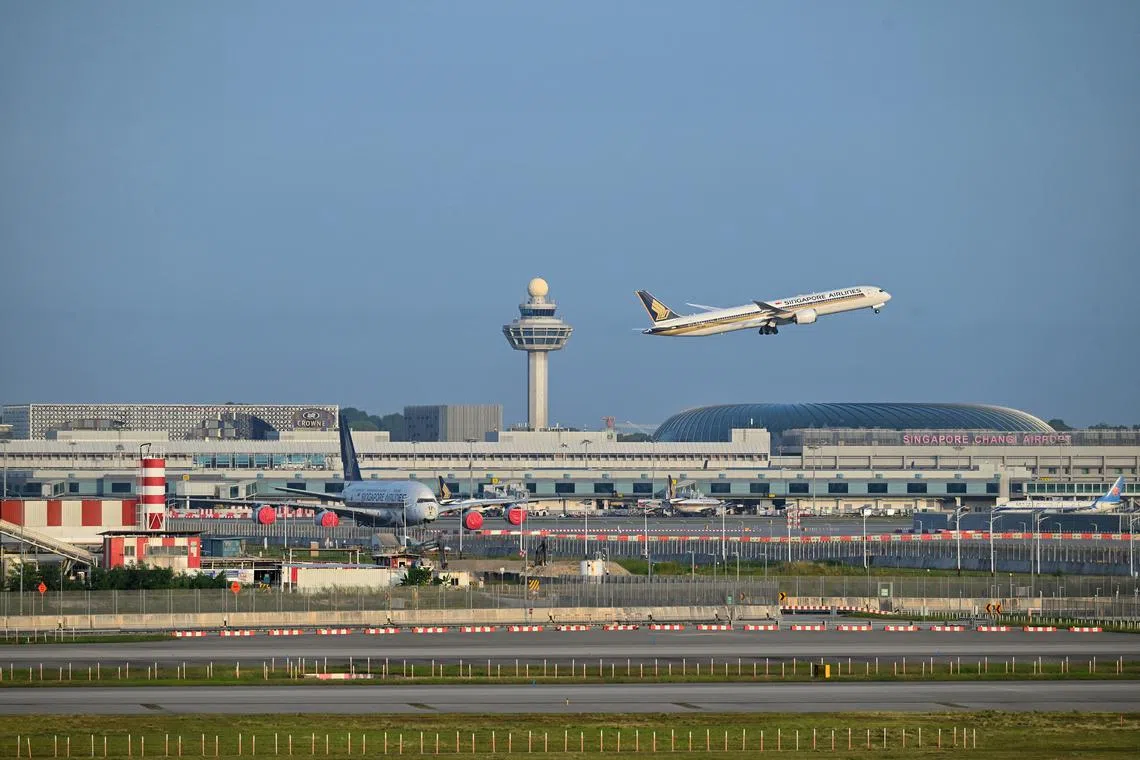
There were 8.8 million KrisFlyer members worldwide as at end-March 2024 – a 31.2 per cent year-on-year increase. This led to a 33.6 per cent boost in the programme’s revenue to about S$1.3 billion, or about 7 per cent of SIA’s FY2024 revenue of S$19 billion.
By the end of last September, KrisFlyer members numbered 9.4 million.
However, Lorraine Tan, Asia equity research director at Morningstar, does not think the loyalty programme is a material driver of SIA’s valuation.
“Essentially, we don’t expect frequent flier programmes to change the competitiveness of SIA or its structural profitability over time,” she says.
“This is similar to the view we have with regard to the frequent flier programmes of US airlines. It’s merely time-shifting of the profit they derive from their services.”
Wong of The MileLion says that carriers need to walk a very fine line – they cannot make elite status available to the mass market, since that defeats the purpose.
“You know, like when everyone’s special, no one is. At the same time, they also can’t make it too difficult to qualify, (or all the people would) just drop off the hamster wheel.”
Agreeing, Jochen Wirtz, a marketing professor at the National University of Singapore, points out that loyalty programmes are a tool for airlines to identify their most important customers in terms of revenues and margins.
In the interests of priority, carriers have to focus on their truly important patrons.

The academic adds that leisure travellers, who are highly price-sensitive, are less attractive than corporate ones to airlines. Even when in economy class, corporate fliers typically pay a lot more for the same seat, as they need flexibility and book flights shortly before they travel.
“The name of the game for an airline is not just to fill its aircraft, but to fill it with people who pay more for their tickets. Otherwise, it is hard to be profitable,” says Prof Wirtz.
“These priority services make frequent travellers want to travel with an airline where they have priority status – that drives loyalty and repeat business.”
Customers between these segments may fly with a particular airline often enough – or collect a sufficient number of miles through credit cards and other qualifying activities – to reach top-tier status.
For these travellers, carriers must manage their services, rewards and messaging carefully, says Prof Wirtz, suggesting that seat redemption, for instance, be offered during non-peak flight times.
“That is, travellers may have to show a little flexibility if they want (to redeem a) ticket. Alternative ways to use miles are of course in-flight shopping – perhaps airlines could promote these alternative uses more.”
TRENDING NOW

Government to bring forward raising of retirement age, give employers more financial support to create flexi-load jobs

If Europe goes to war, the fallout will be felt in East Asia

Former minister Maliki Osman, Revolut chairman join Asia Gulf Holdings advisory board

Small nuclear reactors could boost the Asean Power Grid: GE Vernova executive

