EU gets itself into an EV conundrum
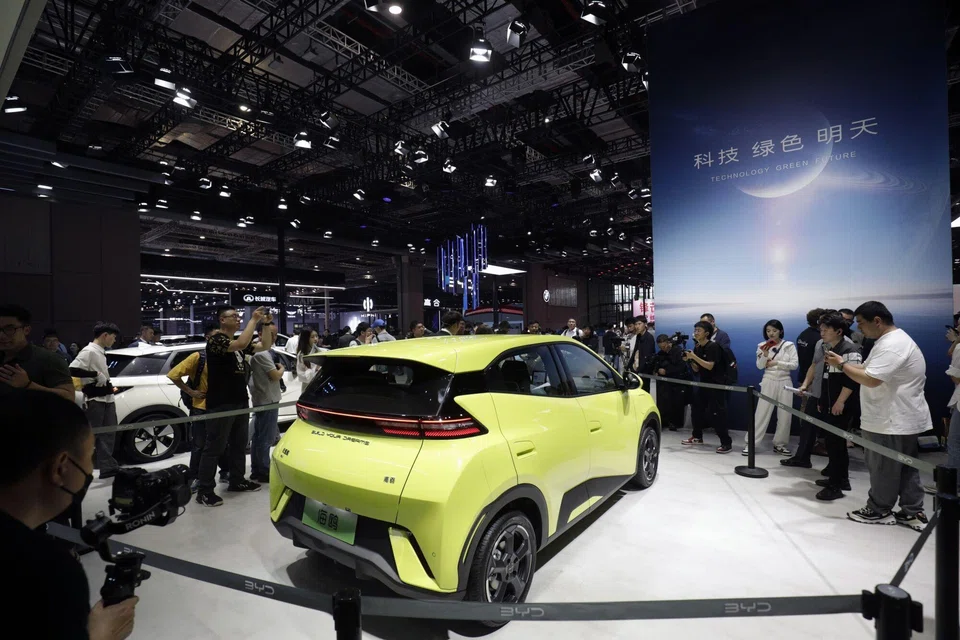
THE European Union has put itself in a curious position in recent weeks when, at one and the same time, it launched an investigation into Chinese electric vehicle (EV) imports which allegedly enjoy state subsidies, and then announced cash incentives to help its own consumers buy European-built EVs and lock out China-made ones.
What triggered this bout of protectionism? China-based carmakers have gained a foothold in the EU’s electric car market. Overlooked, perhaps for political reasons, is the fact that more than 65 per cent of China’s electric car exports to Europe are from Tesla and other international brands, including German makes. China’s own brands had only 8 per cent of the EU’s electric car market in 2022. The European Commission projects that China’s brands could possibly increase their EV market share to 15 per cent by 2025.
France seems to be the most protectionist; that aforementioned cash incentive to help consumers opt for Euro-made EVs is a French initiative. Also in the works in France – a 100-euros-per-month EV leasing scheme from November. Again, climate action rules would be applied to ensure only EU-made cars will be eligible under the scheme.
In contrast, Germany is cautious about the prospect of a trade war over EVs. Berlin is acutely aware that Beijing may launch a parallel probe into the EU’s imports that could affect its own trade position with China, particularly for its prestige car models. Moreover, retaliatory action could spill over to other products. This happened when the EU set its sights on Chinese solar panels about a decade ago. Beijing retaliated against EU exports of polysilicon, a component in solar panels manufacture. The Chinese then added wine to its list. And there was a threat of an investigation into European car imports into China.
This time, Beijing has the option to block the sale of rare earths that are a key material in the EU’s pursuit of its climate goals. As well, the bloc is highly dependent on China for car battery technology. Indeed, Chinese battery giants are building factories in Germany, Hungary, Britain and France – investments that can be affected if a trade war breaks out. To be sure, the EU is investing 20 billion euros in 70 projects to ensure battery independence in future. But actual production will take time.
Instead of trade curbs, EU leaders could usefully ask themselves why Chinese cars are making inroads in their markets. It is not just price, although that is an important factor. Early on, the Chinese made a huge bet on EVs and invested heavily in EV infrastructure. Given the keen competition internally within the world’s largest car market, the Chinese had to make quality cars that would appeal to consumers. The efforts have paid off. Now, several global EV manufacturers – including Tesla, Volvo and BMW – build their electric vehicles in China.
Even if tariff or other barriers are imposed on China-made cars, there is no certainty that such measures will actually support the development of domestic EV production in the EU. What is more likely is trade diversion, where imports from China may fall but those from other low-cost sources rise.
The EU should consider all the factors at play before it deals a blow to a trade flow that serves its consumers so well.