Europe needs the digital euro
The EU’s current push for strategic autonomy means little if it does not extend to payment systems
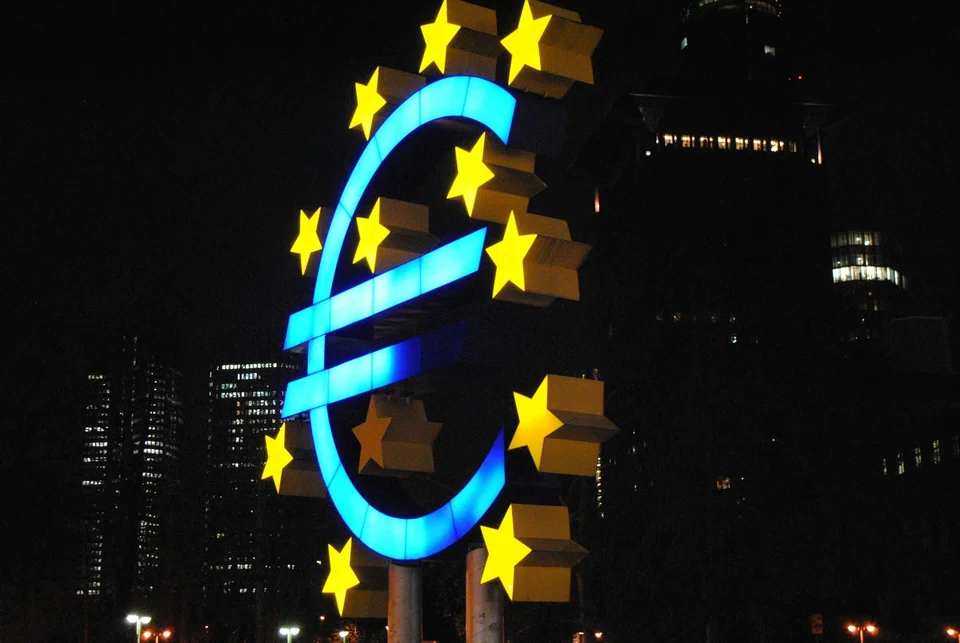
[BERKELEY] After years of preparation, the European Union’s three governing bodies – the European Parliament, the European Council and the European Commission – are finally ready to begin formal negotiations on the digital euro.
When they do, a project once conceived as a technocratic modernisation of monetary infrastructure will become one of the most politically contested items on the bloc’s agenda.
The Commission and the European Central Bank (ECB) have described the digital euro as an effort to adapt fiat currency to the digital age. That framing, while incomplete, carried the project through the technical preparation phase. It will not carry it much further.