

Is a European single market for energy such a good idea?
It might be wise to let countries devise their own strategies
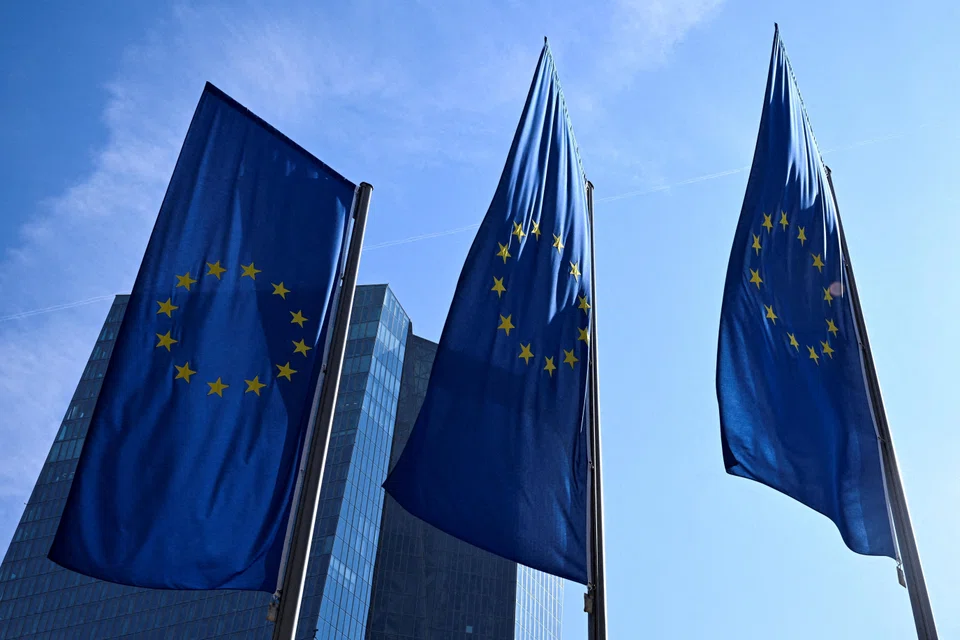
[LONDON] Whatever happens with the US-Iran peace process and global energy prices, the strategic implications of this year’s supply disruptions are already clear. The crisis is further confirmation of the need to phase out fossil fuels – both to mitigate climate change and strengthen energy security.
But for Europe, which remains heavily dependent on imported energy, some less obvious implications may ultimately prove more consequential. To address the precipitous decline in its share of global gross domestic product this century, Europe must lower its energy costs.
European de-industrialisation stems not just from the decline of energy-intensive output such as chemicals, fertilisers and steel, but also from the fact that European industries pay twice as much for electricity as their US and Chinese competitors.
TRENDING NOW

GCash parent Mynt rises in market debut after South-east Asia’s top 2026 IPO

In the age of AI, what is a university education for?
Singapore to use ‘every legal and regulatory lever’ against companies linked to haze: Shanmugam
‘IPOs are not the only vehicle’: KKR heads for record exits even as firms stay private for longer

