
Europe’s future, 60 years after Elysee Treaty
In today’s transformed world, the Franco-German alliance remains critical in Europe, but is facing wide-ranging challenges.
 Add BT as a preferred source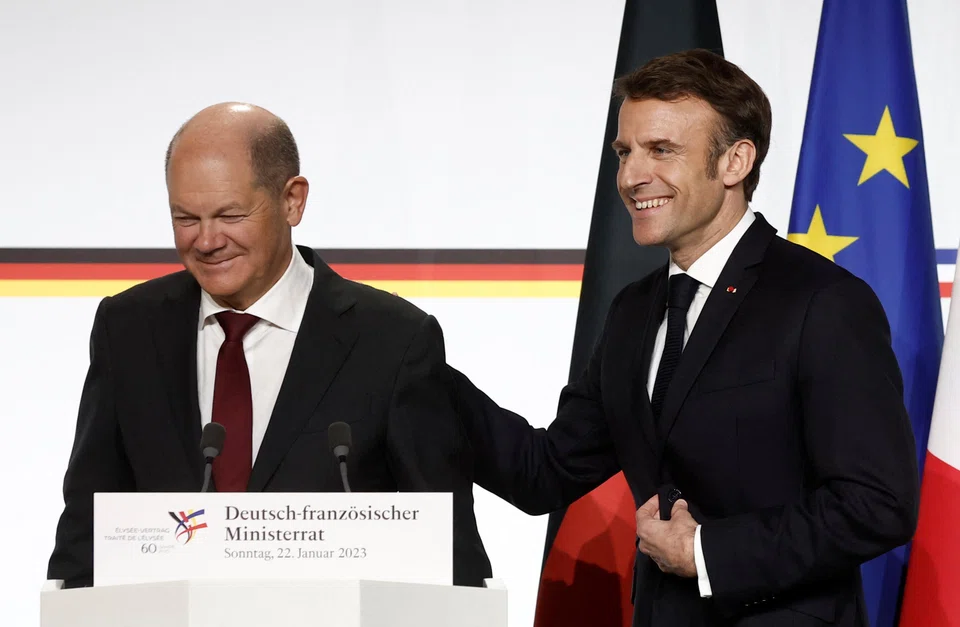
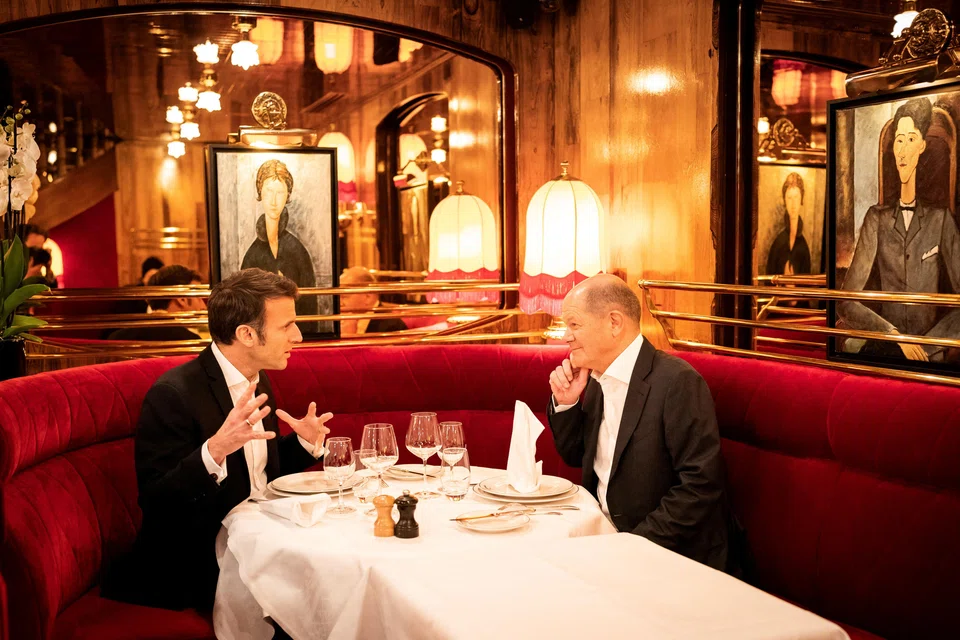
FOR much of the post-war era, Germany and France have been the dynamos of ever-closer European integration. Yet, 60 years since the landmark Elysee Treaty, this process is taking place in a vastly changed, uncertain context.
When the Elysee Treaty, which established a new foundation for relations following centuries of rivalry and wars, was signed by French President Charles de Gaulle and German Chancellor Konrad Adenauer on Jan 22, 1963, the-then European Economic Community (EEC) had six founding members: France, West Germany, Belgium, Italy, Luxembourg, and the Netherlands. The EEC’s initial aim was to bring about economic integration among its member states, including a common market and customs union.
At the time, Harold MacMillan was UK prime minister, Nikita Khrushchev was leader of the Soviet Union, John Kennedy was US president, and Mao Zedong was the Chinese Communist leader. That same month saw de Gaulle’s vetoing of the UK’s proposed entry into the EEC.
Decoding Asia newsletter: your guide to navigating Asia in a new global order. Sign up here to get Decoding Asia newsletter. Delivered to your inbox. Free.
Share with us your feedback on BT's products and services

