

The EU’s changed perspective on adding new members since Russia invaded Ukraine
Beyond its economic or legal roles, the union is taking on geopolitical significance
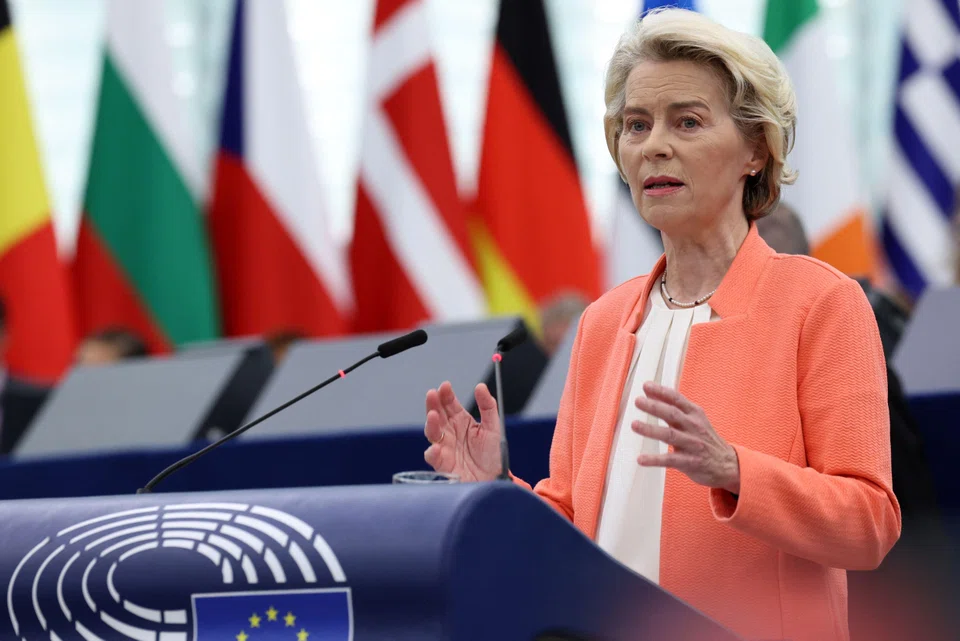
IN HER annual address on the state of the European Union on Sep 13, Commission president Ursula von der Leyen gave her strongest signal yet of the intention to add Ukraine and other nations as member states. Her speech was the latest sign that Brussels has been thinking completely differently about EU enlargement since the start of the war in Ukraine.
The way in which von der Leyen has changed her tone on the addition of new EU member states also reflects the shift away from emphasising only the economic or legal roles of the EU. Replicating the practices of more established democracies, the annual state of the union speeches – which began in 2010 – have increasingly invoked notions of the EU as a state-like, federal entity.
In her first years as president of the Commission, von der Leyen said little in her annual speeches about adding new members. This reflected a certain accession fatigue after the admittance of a large number of eastern European states, which ended up being the net beneficiaries of the EU budget after the 2007/2008 economic crash.
TRENDING NOW

Can a first-time homebuyer couple earning S$18,000 a month afford a new EC unit?

He built the Vingroup empire. Now South-east Asia’s richest man is handing some key roles to his sons

Asia needs new energy security architecture

Chagee, Mixue and Luckin won the market. Sustaining their edge is the harder part

