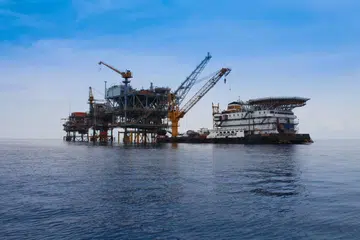
Everything, bar the kitchen sink, to upend trans-Pacific sea trade
If you thought Houthis in the Red Sea are bad for trade, you ain’t seen nothing yet

EVEN as the tariffs war between China and US escalates, another perhaps more damaging clash looms on the horizon. The United States Trade Representative (USTR), the agency that sets Washington’s trade policies, has proposed a series of restrictions and levies that could upend trans-Pacific trade. The Trump administration will make a final decision next month.
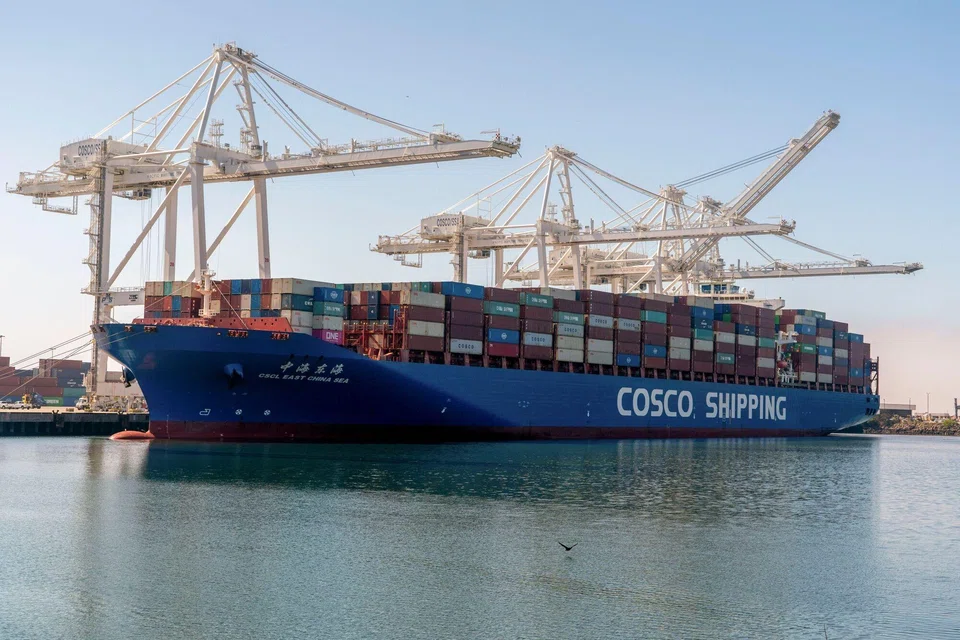
Inter alia, USTR proposes levies of up to US$1.5 million on any Chinese-built vessels entering American ports. About 17 per cent of all container vessels calling at US ports are Chinese-made. Further, such a levy would effectively stop all of China’s state-owned Cosco container ships from calling at US ports. There will be additional fees on any shipping firm that has orders for Chinese-made vessels. Based on the percentage of vessels ordered from Chinese shipyards, additional fees would range from US$500,000 to US$1million per vessel entrance.
In the quaint language of the USTR, it wants to “obtain (sic) the elimination of China’s acts, policies, and practices ... in light of China’s market power over global supply, pricing and access in the maritime, logistics and shipbuilding sectors…”. To fix this perceived problem, the USTR proposes throwing everything, bar the proverbial kitchen sink, to wreck China’s dominant position in shipbuilding; in transporting goods by sea; as well as in making containers and the kit that moves containers from rail or road onto ships and back again.
The agency notes that China’s shipbuilding market share grew from less than 5 per cent in 1999 to more than 50 per cent in 2023. Additionally, the Asian country’s ownership of the global commercial fleet grew to more than 19 per cent by January 2024. And Beijing accounts for 95 per cent of container production.
The USTR wants the percentage of US goods required to be transported on US-flagged vessels to increase gradually, starting at 1 per cent and reaching 15 per cent over seven years. One estimate for orders for new merchant vessels puts China well ahead of the pack with 61 per cent, Japan and South Korea with 12 per cent each, and Europe with 5 per cent.
The agency cites chapter and verse on why this dominance by China could displace foreign firms, reduce competition and create dependencies. While concern for Washington’s position in sea-borne commerce is the USTR’s ostensible reason, there is almost certainly a military dimension to this. America’s current shipbuilding capacity is almost entirely devoted to its navy. It is plagued by a limited number of shipyards, shortage of skilled workers, and consequently, cost blowouts and delays in delivery. Last year, the US Navy forecasted long delays for its warship modernisation programme. Washington is well aware how the atrophy of its commercial shipbuilding capacity has spilled over to its warship building programme. At the same time, Chinese warships are becoming a match for the US fleet.
That said, it should be noted that China’s shipbuilding capacity rests on weak foundations. Most engines for its merchant vessels come from Japan, Germany or Finland. It has been reported that there are perhaps only four firms in the world that can make crankshafts for these giant merchant vessels – namely Italy’s HSD Mechatronics, Hyundai Heavy Industries of Korea, Sidenor of Spain and Kobe Steel of Japan.
Expect Washington to arm-twist its allies, such as they are, to cut off supply of vital components bound for China. Counter-strikes will follow. If you thought Houthis in the Red Sea were bad for trade, you ain’t seen nothing yet.