A fantasy M&A guide to buying Greenland
The process might be thought of as analogous to one company buying another
BUYING and selling countries sounds like the kind of thing that would only happen in a board game. Yet, US President Donald Trump is considering making a bid for Greenland, the White House confirmed on Wednesday (Jan 7).
Imagine, for a moment, that the US does indeed think it can acquire Greenland from current owner Denmark in some kind of commercial transaction.
The process might then be thought of as analogous to one company buying another. In this case, it would be an unsolicited bid, perhaps like the one Paramount Skydance has made to derail Netflix’s acquisition of media outfit Warner Bros Discovery (WBD).
“The catch is that a US-Greenland merger is actually less like a straight takeover and more like a cash and stock deal, where the “stock” involves becoming American. ”
The first question is what Greenland is worth. Finance students will recall two ways to approach that in a mergers and acquisitions (M&A) scenario.
One is “intrinsic valuation”. The American Action Forum, a think tank, totted up Greenland’s barely tapped mineral reserves at market prices, applied a probability weighting of sorts, and arrived at US$186 billion.
Double that to factor in the value of owning a region critical in a theoretical war with Russia, and call it US$370 billion.
Alternatively, there’s “relative valuation”, which calls upon similar past transactions. Using the same price per square mile as 1803’s Louisiana Purchase, and converting it into today’s money based on historic inflation rates, the price is a measly US$300 million.
But use instead the 1917 purchase of the comparatively tiny Virgin Islands, also formerly Danish, and that rises to a heady US$3.8 trillion.
In this case, what matters isn’t valuation maths but effective negotiation – the other element of M&A. What does it take to get enough of the right people to agree to a change of control?



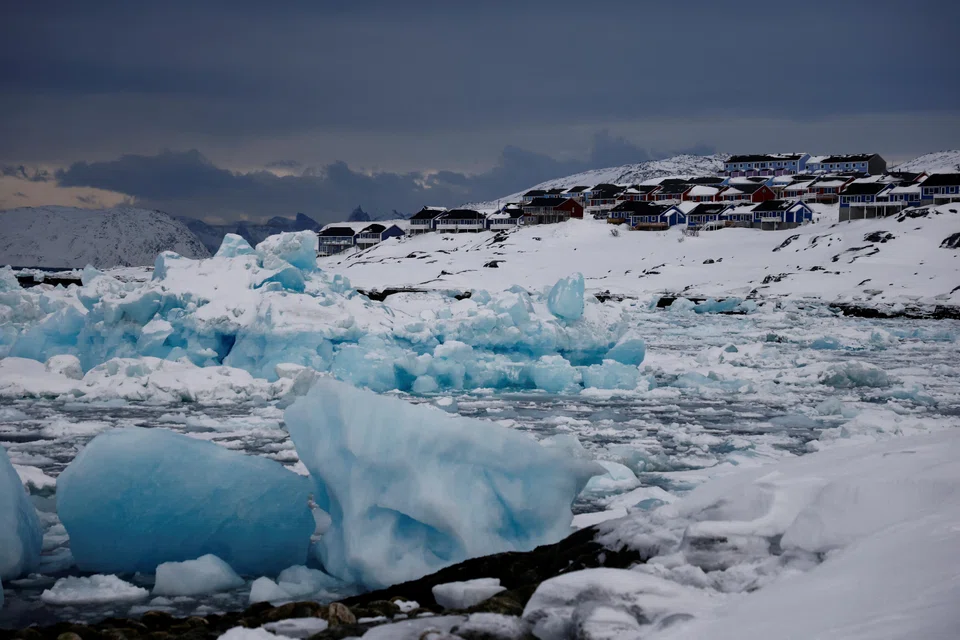
Since Denmark says Greenland has the right to declare full independence, there’s a theoretical path for its 57,000 residents to voluntarily embark on a process, no doubt a convoluted one, of swopping Danish rule for American stewardship.
Seen in this light, buying Greenland would actually be quite a lot like buying a company: Convince enough shareholders to back your offer, and the prize is yours.

The US could offer each resident US citizenship and a welcome bonus of US$1 million, and the total cost would be some US$57 billion, increasing the American national debt by just 0.1 per cent. Elon Musk, who has expressed support for a union, could even throw in free Teslas for all.
The catch is that a US-Greenland merger is actually less like a straight takeover and more like a cash and stock deal, where the “stock” involves becoming American.
Just as in an M&A battle – think of Netflix offering a slug of stock to WBD – the question is not just about the sums on offer, but also the attractiveness of the acquirer’s shares.
There, Trump has a problem. The US is rich and mighty. But as role models go, it is a flawed one, with lower life expectancy than that of its peers, healthcare twice as expensive as Denmark’s, and a gun homicide rate 65 times higher.
A poll by Verian found 85 per cent of Greenlanders would rather not turn American. Besides, the US is run by a government that thinks countries can be traded like companies. That alone makes it a tough sell. FINANCIAL TIMES
Decoding Asia newsletter: your guide to navigating Asia in a new global order. Sign up here to get Decoding Asia newsletter. Delivered to your inbox. Free.
Share with us your feedback on BT's products and services