Are young Singaporeans spending too much?

Young adults are often written off as self-indulgent and financially irresponsible, blowing their money on Grab and S$7 coffee instead of saving for the future. Is that truly the case?


Ry-Anne Lim
Published Fri, Mar 17, 2023 · 04:00 PM
    • Young Singaporeans are more financially aware than given credit for, say experts.
    • According to an Endowus report, in the face of rising costs, younger Singaporeans are less likely to cut down on non-essential expenses than previous generations.
    • Expenses of millennials grew by almost 30 per cent, hinting at pent-up spending, says DBS head of financial planning literacy Lorna Tan.
    • There is a significant increase in the awareness of retirement savings among young Singaporeans, says UOB head of group personal financial services Jacquelyn Tan.
    • Endowus head of financial planning and editorial Jamie Lee highlights that young Singaporeans should be mindful of lifestyle creep and even higher inflation with luxury spending.
    • Vasu Menon, executive director of investment strategy at OCBC, notes that younger Singaporeans recognise the importance of building their wealth earlier and faster.
    • Young Singaporeans are more financially aware than given credit for, say experts. PHOTO: ISTOCK
    • According to an Endowus report, in the face of rising costs, younger Singaporeans are less likely to cut down on non-essential expenses than previous generations. CREDIT: CRU
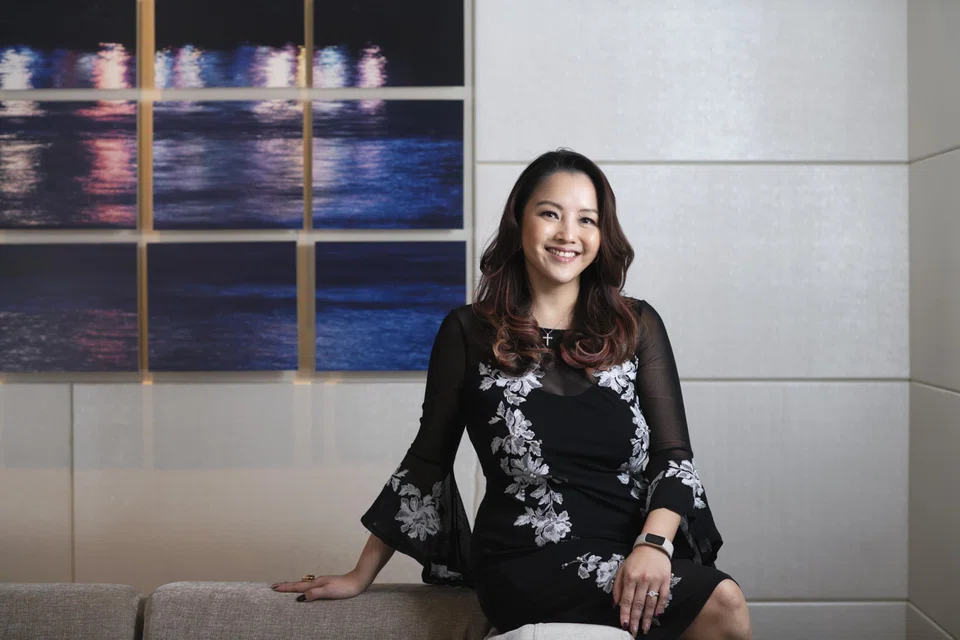
    • Expenses of millennials grew by almost 30 per cent, hinting at pent-up spending, says DBS head of financial planning literacy Lorna Tan. PHOTO: YEN MENG JIIN, BT
    • There is a significant increase in the awareness of retirement savings among young Singaporeans, says UOB head of group personal financial services Jacquelyn Tan. PHOTO: UOB
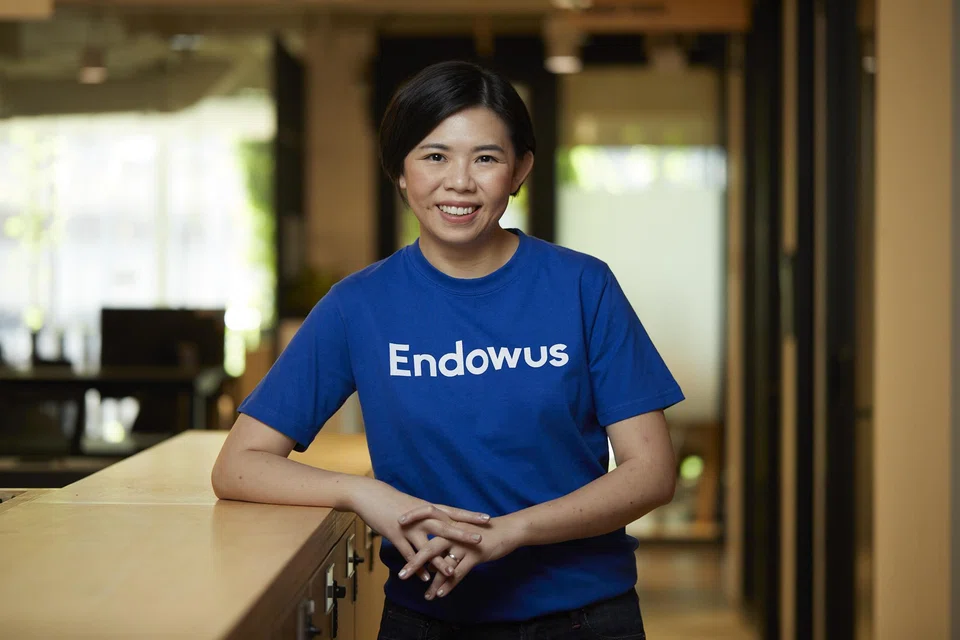
    • Endowus head of financial planning and editorial Jamie Lee highlights that young Singaporeans should be mindful of lifestyle creep and even higher inflation with luxury spending. PHOTO: ENDOWUS
    • Vasu Menon, executive director of investment strategy at OCBC, notes that younger Singaporeans recognise the importance of building their wealth earlier and faster. PHOTO: OCBC

    IT IS Thursday evening. Instead of heading home like the rest of her colleagues, Rachel Lee sets off to her favourite spin studio in Chinatown. 

    There is nothing quite like the thrill of these classes – the thumping music, flashing neon lights and tribal adrenaline rush – to melt away her stress and worries. The perfect way to recuperate after a long and arduous work day. 

    The 29-year-old recognises that this might not be the most cost-efficient hobby. A single class is priced at S$46, or S$25 if you buy a package of 200. Still, this is a weekly routine Lee could never give up, even amid economic uncertainty and personal financial pressures.


    Like Lee, there is a growing number of young Singaporeans who believe that these “non-essential” expenses are anything but. To them, this spending is every bit as crucial as groceries or everyday household products. 

    A DBS research report on the impact of inflation on financial wellness discovered that young Singaporeans’ overall monthly expenses grew twice as quickly as income between May 2021 and May 2022. 

    It also indicated that millennials’ expenses rose by almost 30 per cent, hinting at pent-up spending, says Lorna Tan, DBS head of financial planning literacy. 

    “(This) was likely a result of the reopening of borders and a reduction of pandemic restrictions,” she adds. 

    In an informal online poll on the financial habits of young Singaporeans, conducted by The Business Times, more than a third of the 72 respondents said they spend over 20 per cent of their monthly income on “non-essential” purchases. 

    Of this, around 46 per cent said they normally spend more than 30 per cent of their income on such items. 

    Examples include shopping for skincare products, home fragrances or clothes; having meals at pricier restaurants or cafes; participating in leisure activities such as pottery or fitness classes; and having memorable experiences at concerts, musicals or museums. 

    Nearly half the respondents also spent a portion of their income on convenience costs, such as food deliveries or home cleaning and ride-hailing services. Some said these purchases are acts of self-care or cathartic consumption, especially after a hard day of work or in moments of dejection. For others, it is a way to socialise with friends, invest in themselves, or simply make life easier. A few also see it as a form of self-reward or instant gratification. 

    Notably, the bulk of respondents – at around 60 per cent – believed that these expenses hold a significant amount of importance and were unwilling to cut back on them. 

    Research by digital wealth platform Endowus reflected the same pattern: According to its 2022 retirement report, younger survey respondents were less inclined to cut down on non-essential expenses than their older counterparts. 

    Instead, Gen Z (those born between 1997 and 2009) and millennials (those born between 1981 and 1996) were more likely to find ways to increase their incomes, by having side hustles or investing, for instance. 

    This was the opposite for Gen X (those born between 1965 and 1980) and Baby Boomers (those born from 1918 onwards), with most preferring to cut back on such expenses in the face of rising costs, rather than hustle for higher income. 

    Financial literacy

    Property prices have skyrocketed, with prices of public resale flats growing 22.4 per cent over just two years. Meanwhile, economic growth is likely to slow further in the coming year, fuelling concerns about a possible recession. 

    Are young Singaporeans being too free with their money in a time when they should be tightening their purse strings? 

    According to some financial experts, this could not be further from the truth. 

    Tan from DBS observes that while young Singaporeans are willing to pay for experiences, such as having a more lavish wedding or honeymoon, they are also savers and “place a priority on accumulating wealth for the future”. 

    Some three million DBS customers have used the bank’s financial planning platform, Nav Planner, since its launch in April 2020. Of this, 40 per cent of users are those aged 35 and below. 

    Vasu Menon, executive director of investment strategy at OCBC Bank, points out that many young adults lived through multiple economic crises, from the Asian financial crisis in 1997 to the global financial crisis in 2008, and now, the coronavirus pandemic. 

    “Perhaps as a result of (these) crises, it is more apparent to younger Singaporeans that they need to start building their wealth earlier, and faster,” he says.

    The statistics tell the same story: Based on OCBC’s financial wellness survey in 2021, those in their 20s saved an average of 33 per cent of their monthly income, well above the national average of 27 per cent. 

    This went up to 35 per cent in the survey’s latest edition last year, above the average of 30 per cent for all Singaporeans. 

    Those in their 30s saved 31 per cent of their monthly income in 2022, from 27 per cent in the previous year; while those in their 40s to 60s saved around 28 per cent of their monthly income last year, from 2021’s 24 to 25 per cent. 

    The median income of young Singaporeans has also climbed in the past few years.

    According to the Ministry of Manpower’s latest Labour Force report published in January, residents aged 20 to 24 saw an 8.7 per cent year-on-year increase in their median gross monthly income (including Central Provident Fund contributions) in 2022 to S$2,925.

    The median gross monthly income of those aged 25 to 29 grew 8.6 per cent on the year to S$4,446, while those aged 30 to 34 experienced a 10.9 per cent jump year on year to S$5,792.

    The 2022 survey by OCBC indicated that young Singaporeans in their 20s and 30s were more concerned than previous generations about their finances. Some 60 per cent of them were worried about building up their own wealth, while 58 per cent worried about having enough money for retirement. 

    In comparison, 51 per cent of those aged 40 and up were concerned about building wealth, and 49 per cent on retirement. 

    BT’s online poll, too, showed that 56.9 per cent of respondents normally saved 20 per cent or more of their monthly income. Slightly more than half of this group saved 40 per cent or more of their income every month.

    Their main saving goals include retirement, homeownership, travel and other leisure activities, and financial freedom.

    “While many may have the impression that young people can be impulsive and reckless, this is not the whole truth,” says Menon. 

    “With better access to information and avenues to improve financial literacy, young people today are better informed and recognise that they need to save for future contingencies.”

    Likewise, UOB head of group personal financial services Jacquelyn Tan notes a “significant increase in the awareness of retirement savings” among this demographic. 

    UOB saw triple the number of young adults opening new Supplementary Retirement Scheme (SRS) accounts in 2022, from the previous year. The SRS is a voluntary scheme that incentivises individuals to save for retirement on top of their CPF savings while enjoying tax-relief benefits. 

    Three times as many young adults also started investing in a more “disciplined” manner in that time span, she says. 

    Tan points to a “strong increase” in savings and investments made by young Singaporeans in the past year, with the average placement for government securities – such as Singapore Savings Bonds, Treasury Bills and Singapore Government Bonds – surging by more than seven times from H1 2022 to H2 2022. 

    During the same period, average fixed deposit placements at UOB grew almost eight times, with the number of young Singaporeans making such placements up 160 per cent year on year.

    “Young Singaporeans have demonstrated a remarkable level of financial savviness in growing their money via these relatively safe instruments amid global economic volatility,” she says. 

    “The jump in credit card take-up rates also shows their financial savviness in making every cent work hard for them, even when they are spending,” she adds. 

    Jamie Teo, 26, has been ploughing around 7 per cent of her monthly income into various investments for the past two to three years. In total, she has invested more than S$20,000 into Singapore Treasury bills, tech defensive stocks and global exchange-traded funds (ETFs).

    These investments are easy to manage with potential for higher returns, says the wealth management associate.

    It helps that investing is much easier now with online trading platforms, such as Tiger Brokers or Interactive Brokers, she adds. “The goal is to eventually generate recurring passive income of around 10 per cent to 15 per cent per annum.”

    Likewise, marketing professional Mason Ma has invested around S$30,000 in global ETFs and individual stocks as part of his financial and retirement planning.

    “The stock market has been a bit disappointing,” says the 29-year-old, “but you have to understand that it’s a long game for passive income.”

    Word of warning

    While young Singaporeans are investing more and doing so earlier, especially on digital platforms, Endowus head of financial planning and editorial Jamie Lee cautions that “digital savviness” is not the same as financial savviness. 

    “With easy access to digital apps and online trading platforms, taking on high-risk, speculative investments has become extremely convenient, and this convenience can be a problem,” she says. 

    She adds that the rise in popularity of finance-influencers and financial content on social media platforms also make it easy for young investors to be misled by clickbait headlines or claims, lured by the prospect of making money through such speculative means. 

    For instance, there are media reports of Singaporeans losing big chunks of their life savings after investing in cryptocurrency. Others lost hard-earned money “investing” in digital tokens that were later hit by alleged fraud, notes Lee. 

    According to OCBC’s financial wellness index last year, cryptocurrency investors in their 20s who made losses lost 40 per cent on average from it. Yet, 39 per cent of them said they are likely to invest more in the next 12 months. 

    “Not only are the values of cryptocurrencies highly risky and extremely violatile, customers’ monies are not protected by the law,” she says. 

    Endowus’ latest retirement report also discovered that even though 75 per cent of respondents understand how inflation affects financial markets, less than half are clear on which asset class and what investments work well during high inflation. 

    Lee highlights that young Singaporeans should also be mindful of lifestyle creep – that is, the practice of spending more as you earn more. 

    Based on the same survey by Endowus, the bulk of Singaporeans across all generations – at 70 per cent – are less likely to downsize or delay bigger financial goals. 

    Lee believes that young professionals with “aspirational big-ticket spending” should be careful of even higher inflation with luxury spending. 

    “With rising interest rates and higher cost of goods and services, there are risks that Singaporeans should take into account before committing to long-term, big financial spending,” says the head of financial planning and editorial. 

    “The majority of young Singaporeans are at the early stages of their career, and the trend of young job-hoppers fighting for a more attractive pay package is consistent with this finding.”