

Can Singapore's fertility business deliver further growth?
Amid calls for social egg-freezing and employee benefits, industry players are hoping to inject more potency into Singapore's fertility market.

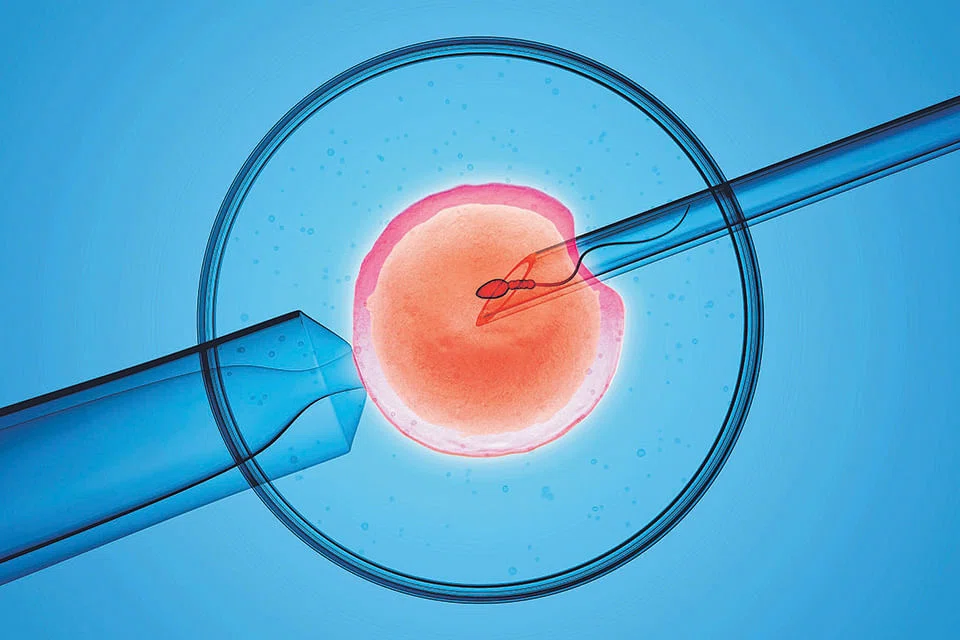
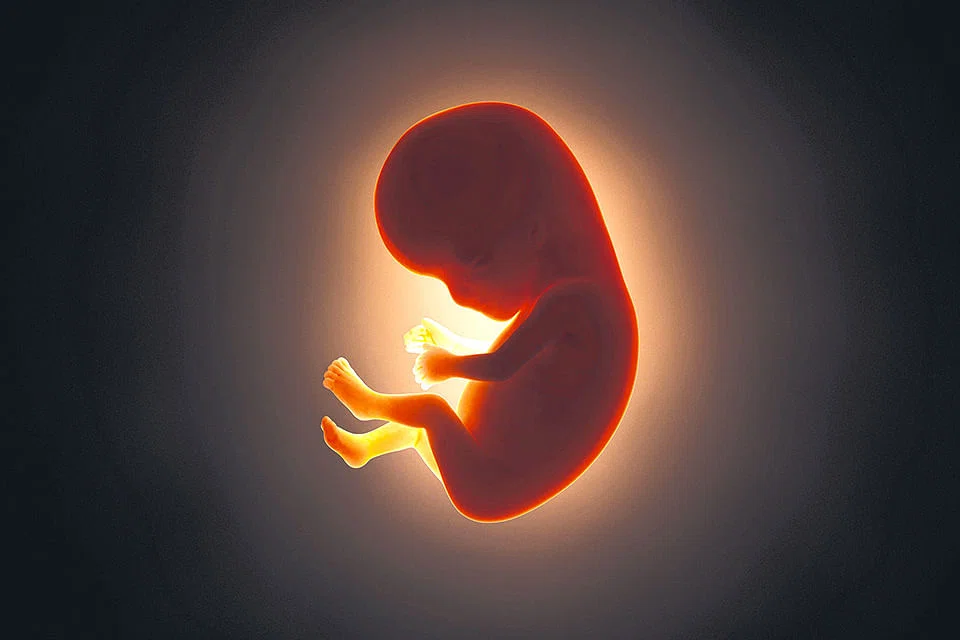

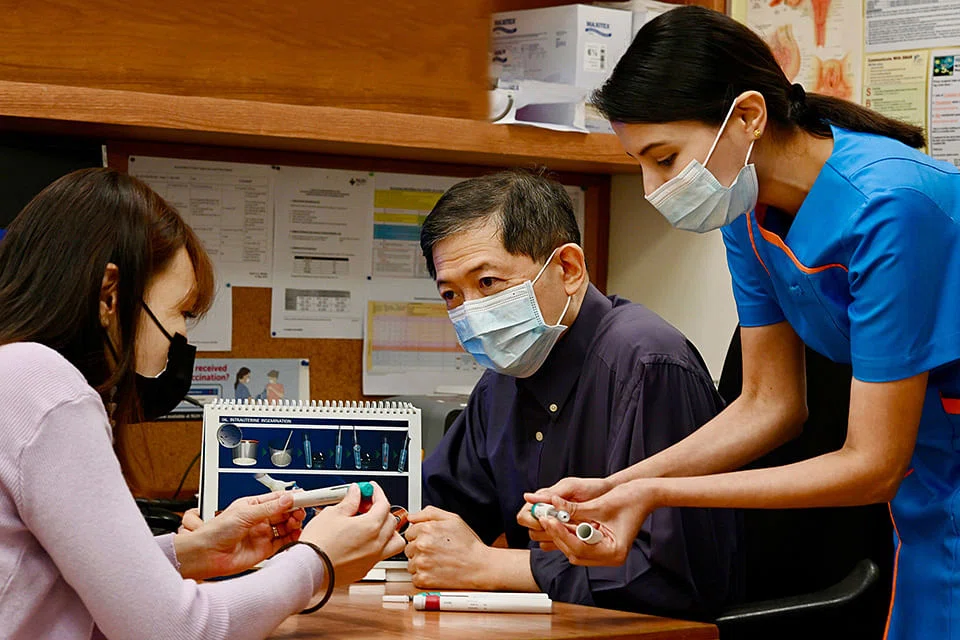

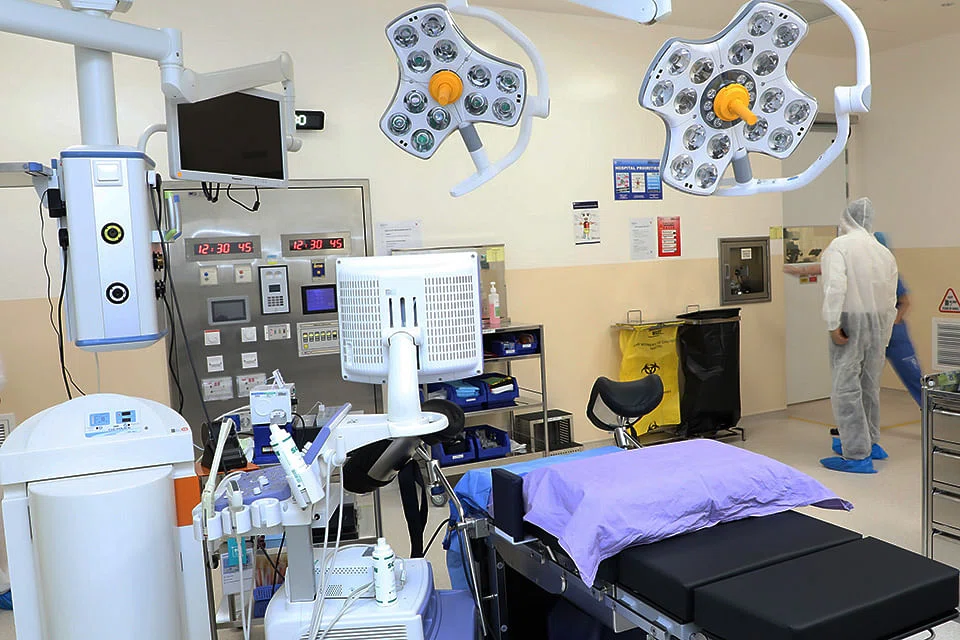
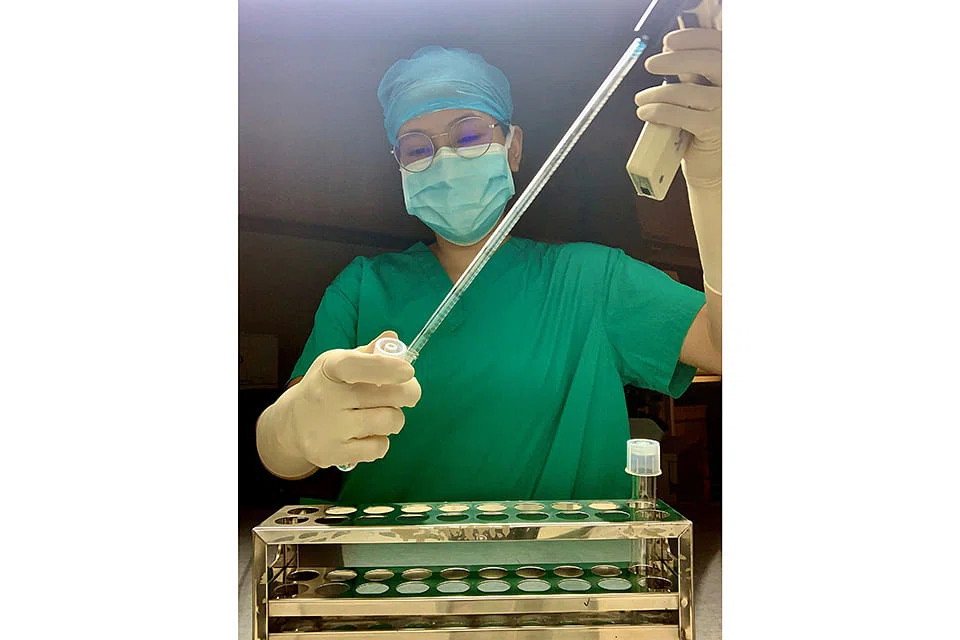
AS the pandemic puts parenthood aspirations on hold, first-time mothers get older, and more Singaporeans stay single, the fertility treatment sector has entered uncharted waters. To stave off stagnation, industry players are calling for regulatory changes, more education and corporate participation in supporting couples with difficulties conceiving.
Infertility is defined as the inability to get pregnant after 12 months of unprotected sex. About 15 per cent of couples in Singapore are unable to conceive within a year of trying for a baby, according to KK Women's and Children's Hospital (KKH) data.
Before the Covid-19 outbreak impacted the market, the fertility business had been growing steadily. In 2019, women in Singapore underwent a total of about 8,700 cycles of assisted reproduction treatment (ART), which includes in-vitro fertilisation (IVF). That is up 22.5 per cent from 7,100 cycles in 2015.
TRENDING NOW

Once staunchly pro-China, Malaysian Chinese businesses are now distancing themselves from Beijing

Stocks to watch: HPL, Aims Apac Reit, Zico, Advanced Systems Automation, ComfortDelGro
‘How many will survive?’: Bubble fears arise as China’s humanoid robotics face reality check

Smaller board lots can’t fix a market run by three banks

