

Cask strength: Is rare whisky liquid gold or an evaporating asset?
Is rare whisky liquid gold or an evaporating asset?

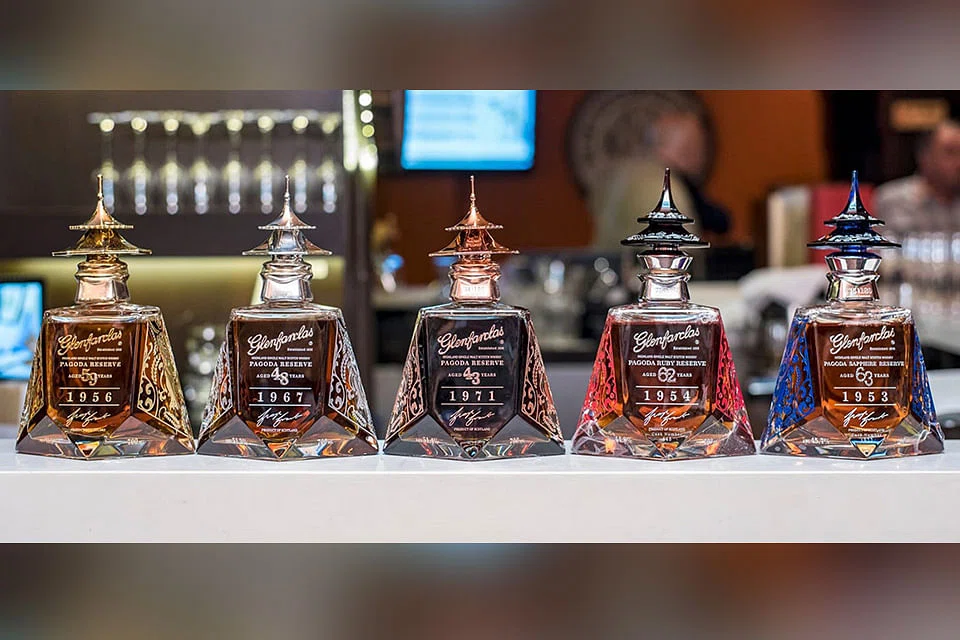
IN the words of Mark Twain, too much of anything is bad, but too much good whisky is barely enough. Truer words were never spoken, it seems. In the face of rising wealth and global market volatility today, rare whisky has emerged as one of the most coveted luxury goods globally - both as a collectible and as an alternative investment for hungry investors chasing better returns. The value of rare whisky jumped 478 per cent in the past decade to top the Knight Frank Luxury Investment Index. Asia's fast-rising affluent are feeding into the demand, with the region accounting for almost 65 per cent of the global whisky market growth in recent years.
While bottle sales are the norm, the lesser known category of whisky casks has also found favour with investors seeking provenance and longer-term gains.
Funds, cask investment schemes and even tokenised digital whisky assets have since come to the market to reach a broader base of investors.
But with frothy valuations from an almost uninterrupted 10-year rally, industry watchers caution of a bubble waiting to pop.
The market for rare whisky, propped up largely by wealthy individuals, may also be too niche to make a sizeable impact on an investment portfolio. Other risks that plague the sector include forgery, unclear duties, and complicated purchase and resale processes.
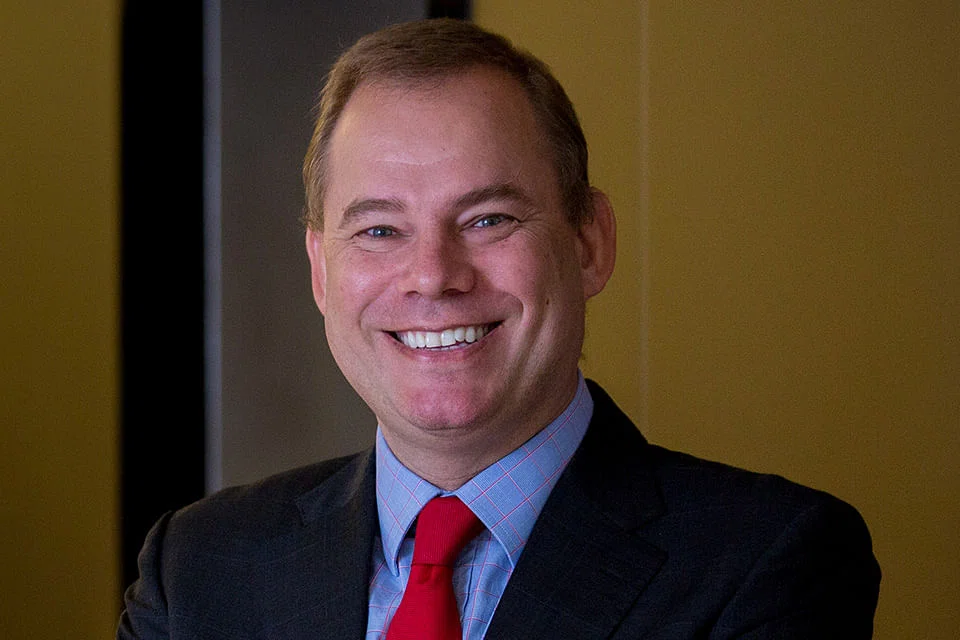
Andrew Thompson, KPMG head of private equity for Asia-Pacific, tells The Business Times: "This is a speculative, non-institutional class of investment. I see it as niche asset if you have tolerance for some volatility. Whisky is probably not a sector to take excessive exposure to."
Attractive returns
In recent years, luxury assets have held steady or increased in value as investors seek fresh avenues for higher returns.
"The returns offered, relative to the liquid markets, tend to be very favourable on a risk-reward basis," says Mr Thompson.
Rare whisky may appear more stable than other tangible assets in the current economic climate. As it is, the value of whisky is mainly determined by age and brand. It is not directly linked to the financial markets and could be less affected by market shocks, as long as demand and supply are adequately managed.
The Knight Frank Whisky Index (KFWI) lost some momentum at the height of the Covid-19 crisis, down 3.5 per cent in 2020. Compared to many other investments, "that is not such a disaster", said Knight Frank in its latest wealth report.
That said, given the KFWI's 40 per cent increase in 2018, the volatility of ultra rare top-end whisky as an investment is still evident.
In Asia, demand for rare whisky mostly comes from high net worth individuals (HNWIs). "Whisky as a social drink has become much more widespread across Asia, particularly Taiwan, Singapore, and China, where this appreciation has translated into the investment market," says Bob McNab, managing director of Hong-Kong-based rare whisky distributor Premier Whisky.
He tells BT there has been a growing number of "young, influential, aspirational middle-class professionals" dipping their toes in the market, purchasing bottles at the lower end for around US$5,000-10,000 per bottle. The "more serious" investors pay about US$20,000-30,000.
"Millennials are a bit old hat now, many of them are having families and approaching their 40s. It's probably Gen Zs who are more interesting," notes Andrew Shirley, editor of Knight Frank's annual wealth report.
Last year was a record year for Premier Whisky as sales more than doubled despite a "slight drop off" from the Western communities likely due to Covid-19, says Mr McNab.
Singapore-based wine and spirits marketplace Tatler Bar recorded a 40 per cent jump in sale of investment-grade whisky bottles from pre-to post-pandemic. Overall, sale of rare whisky more than tripled year-on-year in 2020.
"More than ever, people are looking for alternative investments opportunities that have an upward appreciation trajectory. Whisky is one of their top choices as it is relatively unexploited by the mass," says Susana Tsui, president for South-east Asia at Tatler Asia.
Case in point: a rare bottle of Yamazaki 50 Year Old was sold for S$80,000 a few years ago. It is now valued at around S$500,000.
"For many years, whisky collection was mainly popular among connoisseurs or, at the very least, whisky drinkers. Nowadays, many customers buy to collect or trade," says Ms Tsui.
Casks on the rise
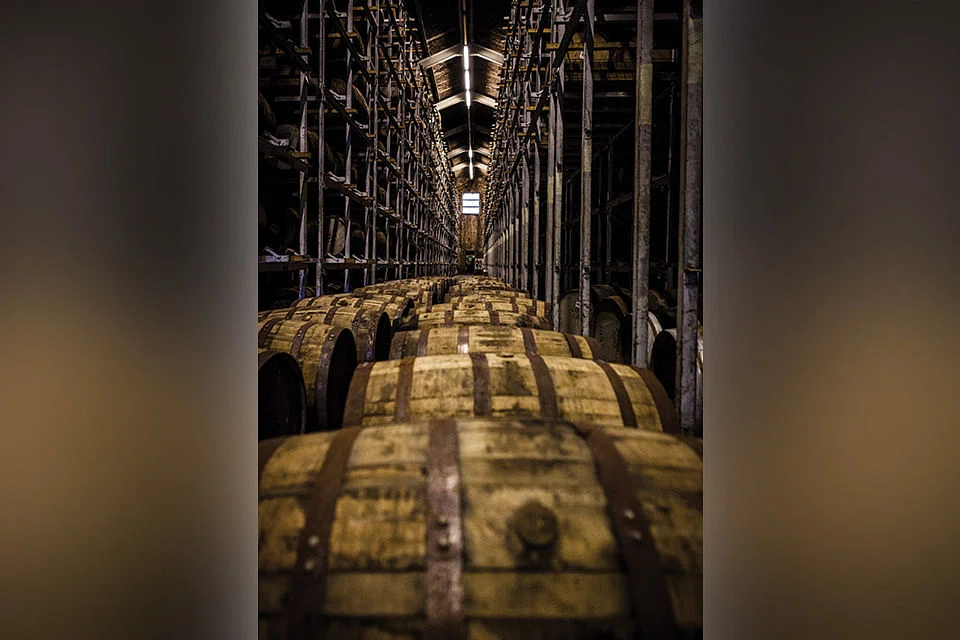
Investors with a longer investment horizon - and who can therefore take on more risk - are also turning to whisky casks as another money-making opportunity.
Though relatively nascent compared to bottles, the market for casks has been increasingly widening and has gained considerable traction. A growing number of distilleries now offer their own private cask investment schemes.
As casks are usually bottled after 5 to 15 years of maturation, holding a cask for longer could provide higher returns.
Findings from the BC20 Whisky Cask Index showed that US$100,000 in casks procured in July 2018 would be worth around US$160,000 by end-June 2020.
The projected annual capital growth of cask investments was 12.8 per cent at the start of 2021, according to separate data from whisky sales specialist Braeburn Whisky.
Nearly 30 per cent of UK-based Braeburn's sales in 2021 so far have been to investors based in Asia, especially in Singapore (16.9 per cent) and Hong Kong (5.1 per cent). Most of its investors pay between £10,000 (S$18,500) and £30,000 per cask.
Its CEO Niall Brown attributes the robust growth to a combination of the casks appreciating in value due to their natural maturation process, and demand outpacing supply.
"Investing in bottles reaps immediate, short-term profits. Bottles rise in value but they do not age further after they are bottled. On the other hand, the value of whisky casks continues to rise as they mature over time," he says.
He adds that all whisky casks are also authenticated and stored in fully-insured government-bonded warehouses. This ensures that the investments are secure and provenance is documented.
Opening up the market
Whenever a promising new investment class emerges, so do specialist funds. As it is, investing in rare whisky is not quite like purchasing stocks on the Nasdaq.
When sold as wholes, whisky assets could take years to liquidate, with owners having to hunt for a suitable deep-pocketed buyer.
They also tend to be difficult, if not impossible, to physically transfer or divide, so buyers and sellers have to trade paper that represents some or all of these assets, said TSMP Law partner June Ho in a recent note.
A key risk in whisky investments, particularly with auction sites, is provenance. Buyers have unknowingly bought fake whiskies, sometimes with little or no recourse.
To ride on demand from investors wanting to enter the market, whisky funds have been set up, alleviating some of the risks and cumbersome processes involved.
The Single Malt Fund, listed on Sweden's Nordic Growth Market in 2018, is the world's first regulated whisky fund with a target annual return of 10 per cent and a minimum investment of £100,000.
In Asia, Hong Kong-based brokerage Rare Finds Worldwide launched its Rare Single Malts fund last June with a minimum subscription of £100,000, targeted at family offices and HNWIs in Asia. Still, a minimum price tag of £100,000 could be a massive financial outlay for many investors.
Against this backdrop, asset tokenisation has emerged, further democratising the market. Tokenisation allows luxury investments with high price points to be broken into smaller, cheaper units.
In January, Singapore financial services firm PrimePartners launched a digital asset-backed security (ABS) linked to exclusive casks of single malt Scotch whisky, selected as Casks of Distinction (COD) by Diageo.
Accredited investors purchase tokens - each of which represents a bottle from one of five CODs - listed on Hg Exchange (HGX), a private members-only exchange for digital assets and growth companies.
All five ABSs saw a price increase and a total trading value of £700,000 on the first day. Demand "remains strong" in Q2, says HGX chief operating officer Willie Chang.
"Rather than investing a large amount to purchase one cask, tokenisation allows investors to commit a smaller amount and spread their capital across a wider range of whiskies according to their individual preferences," he tells BT.
Using blockchain technology also offers a secure, efficient and transparent solution to the provenance problem, says TSMP's Ms Ho. "In a sense, blockchain is the new age 'certificate of authenticity', but one that is near impossible to hack, steal or forge."
But she flags that regulatory challenges exist, principally around the protection of investors. Laws may struggle to keep up with the features of new investment instruments.
"Anti-money laundering and know-your-customer checks are another area of concern. Tokens, and more generally the freewheeling ways of the market for digital investments, make this fertile ground for criminals looking to launder money or transfer illicit assets," says Ms Ho.
KPMG's Mr Thompson remains sceptical about the potential benefits of whisky funds and schemes.
"For whisky, where things like levels of liquid in the bottle and the specific condition of it matters, it becomes a bit more difficult to create homogenous investment products... so I'm not that hopeful. Generally, the winners tend to be the providers that create these structures, fee streams and commissions," he says.
Knight Frank's Mr Shirley cautions that among the funds emerging in the market, "a lot will just be jumping on the bandwagon".
He adds: "Whisky covers lots of price points, so I think it's already democratised. If you want to buy a share in a US$1 million bottle, fine, but why not just do your own research and build your own collection of more affordable bottles? It's easy to buy from specialists or online auctions. The research and pulling together the collection is part of the fun - as is drinking it."
Evaporating asset?
The slight dip in rare whisky prices last year could signal the breaking of a trend, analysts say, as the market gradually comes into balance.
KPMG's Mr Thompson tells BT the intersection of a fixed supply and "massively increased" demand has driven the "incredible" price appreciation over the years.
"Those conditions have now been in place for some years. You can't expect that people will keep paying more and more, with price growth at that sort of levels. I personally find it hard to imagine," he says.
Knight Frank's Mr Shirley adds: "It's possible that collectors just see this end of the market as being a bit frothy after such strong growth and are looking for better value."
Meanwhile, there are also plenty of people trying to sell "very young" casks of whisky based on the performance of the KFWI. "There is no reason why a young cask of whisky or new-make spirit will show that kind of performance over the long term, unless it has an impeccable providence," says Mr Shirley.
Cask holders are also faced with a delicate balancing act between higher values and evaporation risks.
All casks lose about 2 to 5 per cent of liquid each year due to natural evaporation. While this increases the exclusivity and value of older whiskies, investors who wait too long to sell may see alcohol by volume (ABV) fall below 40 per cent. By law, Scotch whisky must meet a minimum ABV of 40 per cent to be legally classed as whisky.
Niche and emotions-driven
Ultimately, rare whisky remains a small, highly speculative market buoyed by wealthy individuals.
In Singapore, for example, total assets under management in 2019 stood at around US$3 trillion. The alternative investments market, which whisky would come under, accounted for about US$700 billion - but nearly all of that is in private equity, infrastructure, and real estate, KPMG's Mr Thompson notes.
Even as historical returns have been robust, rare whisky investments are an "emotions-driven" asset class, given that the market is led by rich individuals as opposed to institutional investors.
"When you make investment decisions as individuals, it can blur the decision-making process and lead to some pretty big price swings.
"There's a difference between institutional investing, which is investing with your brain for long-term risk-adjusted returns, and investments that have an emotional aspect to them. Wine, cars, watches, whisky, jewellery... all of those, to some extent, involve a mix of (reasons associated with) affluence, consumption and status," says Mr Thompson.
He cautions that investors should not make a major personal portfolio allocation into rare whisky unless they have profound interest and knowledge on the market. "History is no guide to the future. As always, when investing in risky asset classes, invest with your head, not your heart."
TRENDING NOW

Once staunchly pro-China, Malaysian Chinese businesses are now distancing themselves from Beijing

Looking beyond looming CEO succession, should UOB potentially pursue a transformative merger?

Could stablecoins be the future of money?

Grab CEO’s wife Chloe Tong on life with Anthony Tan and finding her purpose

