The cost of death
You might think your funeral is someone else’s problem, but you’ll be surprised at the costs and options available. Plus, there are good reasons why you’re better off planning your own farewell shindig. After all, there’s a lot more than just dollars and cents at stake.

FROM niches sold like hot Build-To-Order property at “new launch” prices (yes, there’s a secondary market for them) and a freehold spot for your ashes with “excellent feng shui” (installment plans available) to turning your remains into diamonds as precious keepsakes, there is much that happens after death.

And they all cost a pretty penny.
They say nothing is certain except death and taxes, though today, you can add inflation.
“Global inflation affects everyone,” says a spokesperson from the Association of Funeral Directors Singapore (AFD). “The provision of essential services like funerals get impacted too, as a funeral comprises labour, logistics and goods. (The cost of) many of these goods have already increased significantly at the start of the year due to global oil prices, shipping rates and foreign exchange.”
The AFD, however, says its members have been “mindful of the community we serve and have adjusted slightly to mitigate the increasing costs due to external factors”.
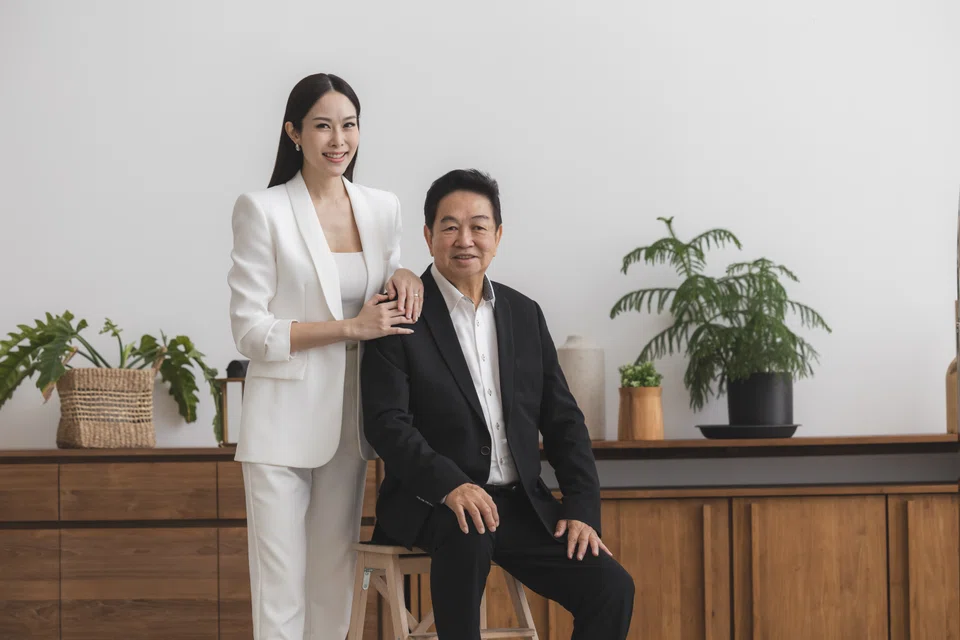
Due to the human-centric service that funeral companies provide, Ang Chin Moh Funeral Directors’ (ACMFD) service rates have risen by 5-10 per cent, while the cost of other things, like T-shirts and umbrellas, remain unchanged.
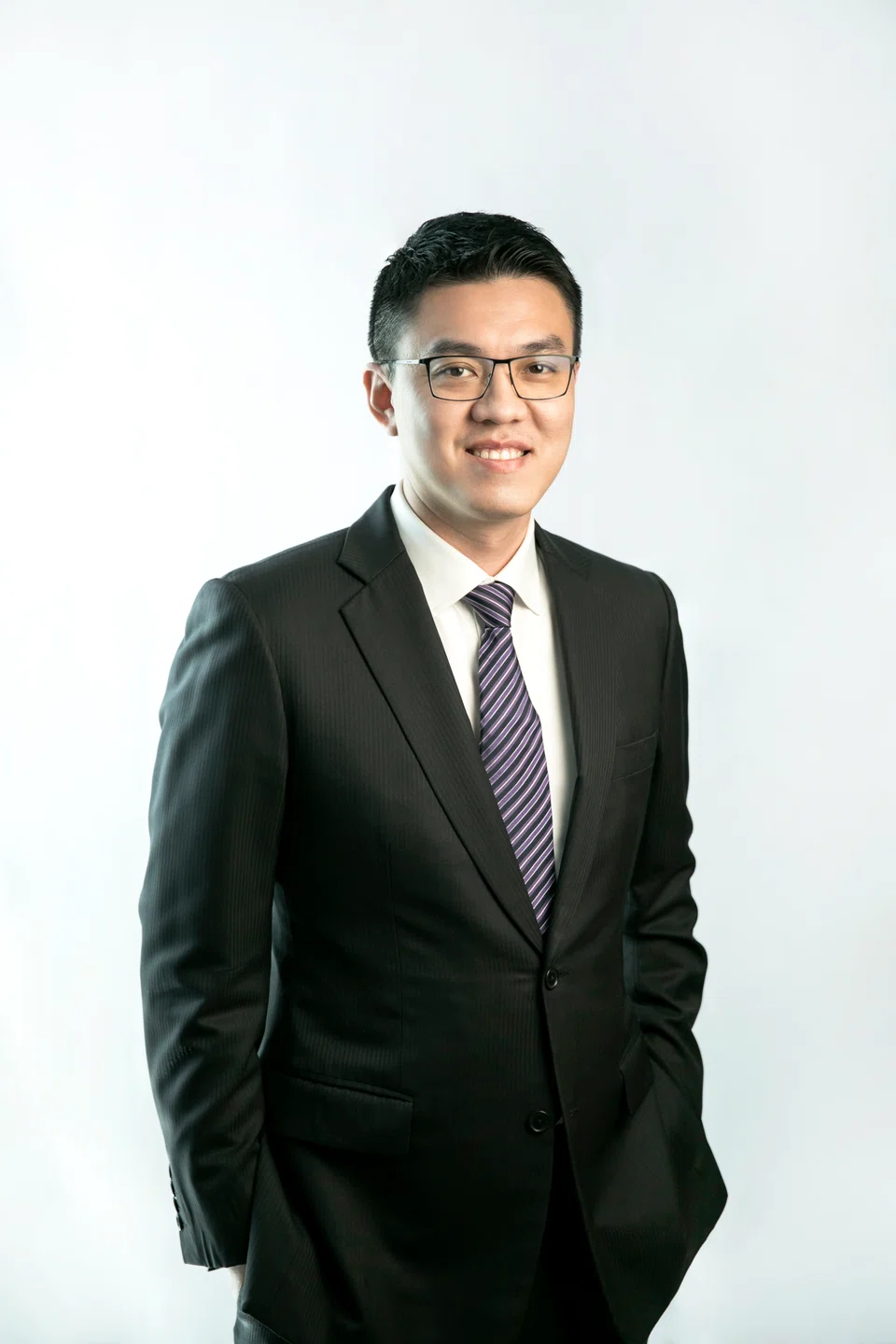
“A pair of socks still costs S$1.50,” says Ang Ziqian, its managing director. “The price has been the same for the last 10 years.”
Similarly, Hoo Hung Chye, founder of Singapore Funeral Services (SFS), is considering increasing prices by 5-10 per cent to help cope with higher operating costs.
Hell notes not accepted
However many paper mansions, cars, credit cards and crypto currencies are burnt for the dead, the fact is it costs money to deal with death.
Like other major life events such as weddings, budgets for funerals, which mark the end of life, are also wide-ranging. Separately, there are other expenses for obituaries, estate settlement and the like.
Funeral directors emphasise that funerals should be needs driven, and people have to look beyond prices to understand what services are included, as those who advertise low prices may need add ons.
“It doesn’t mean that those quoting the lowest prices are doing a very bad job or that at the highest prices, you’ll get the very best job,” says Hoo, adding that it depends on the consumers’ ability to distinguish between who can deliver on their promises.
For many families, the death of a loved one is usually a first for them in 20 years, so they are not sure what to expect, he observes. They are also apprehensive, especially since the funeral industry is sometimes accused of overcharging and exploiting mourners when they are emotionally vulnerable.
“Cost is just one part of the entire package,” says ACMFD’s Ang. “The point is to encourage people to speak to a few funeral directors to see who they’re confident can fulfil the (deceased’s) last wishes.”
The AFD, which says there are no estimates on how much the industry is worth, notes that many religious bodies and charitable organisations do sponsor funeral costs for those in need. This would include the basics of receiving and cleaning the body, providing a cremation casket and transportation to the crematorium.
For those who choose to keep things simple, they could go for a 1-day arrangement with a simple ceremony at the crematorium and a cremation immediately after, says Jenny Tay, managing director at Direct Funeral Services (DFS). Such a funeral could cost around S$1,500 excluding GST.
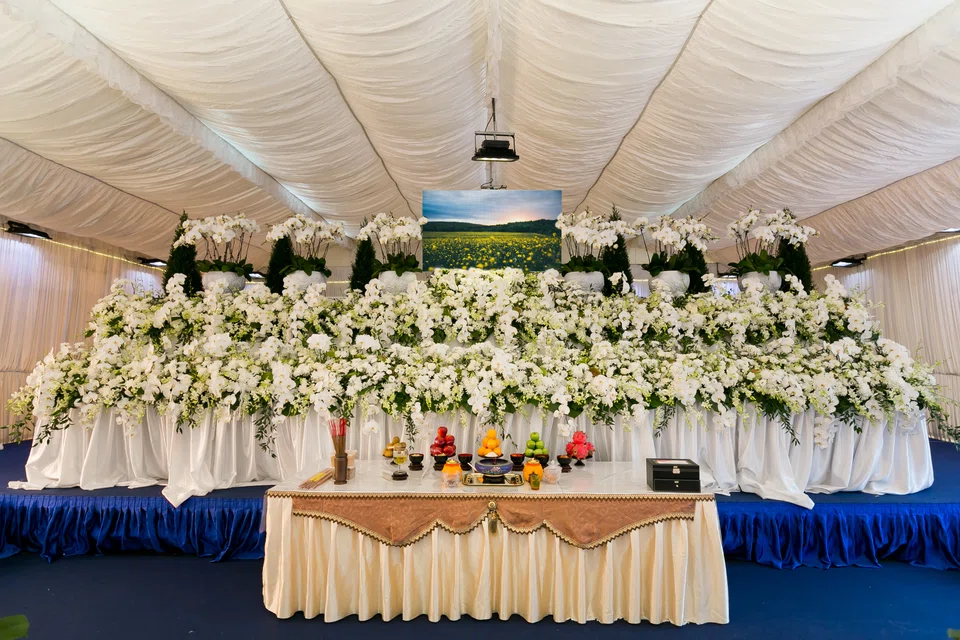
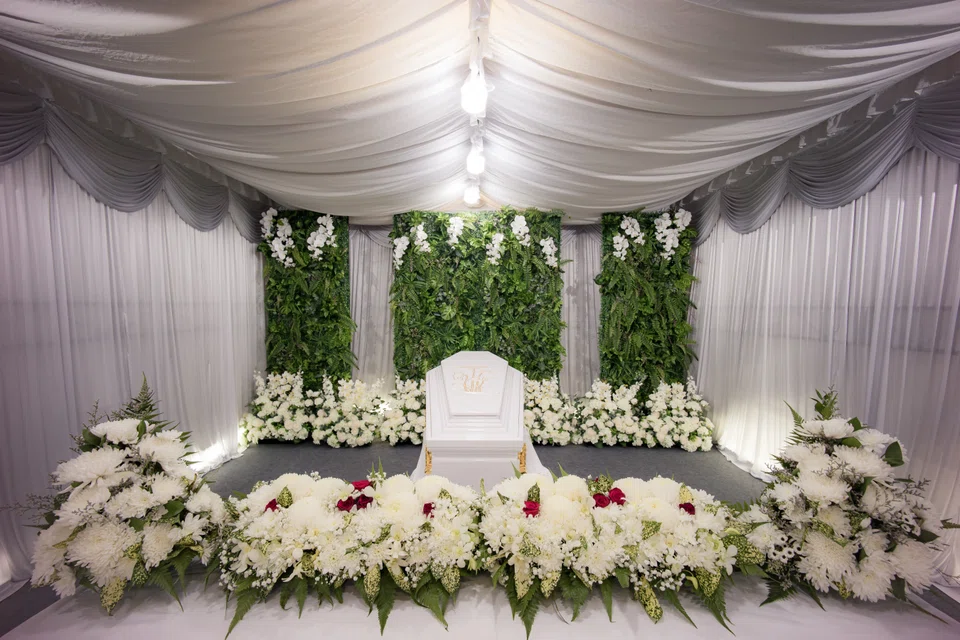
At the other end are luxe funerals that cost upwards of S$50,000, involving large numbers of guests, mourners flying in from all over the world, professional photographers and videographers, a live band, valet service and catering from high-end restaurants, complete with alcoholic drinks.
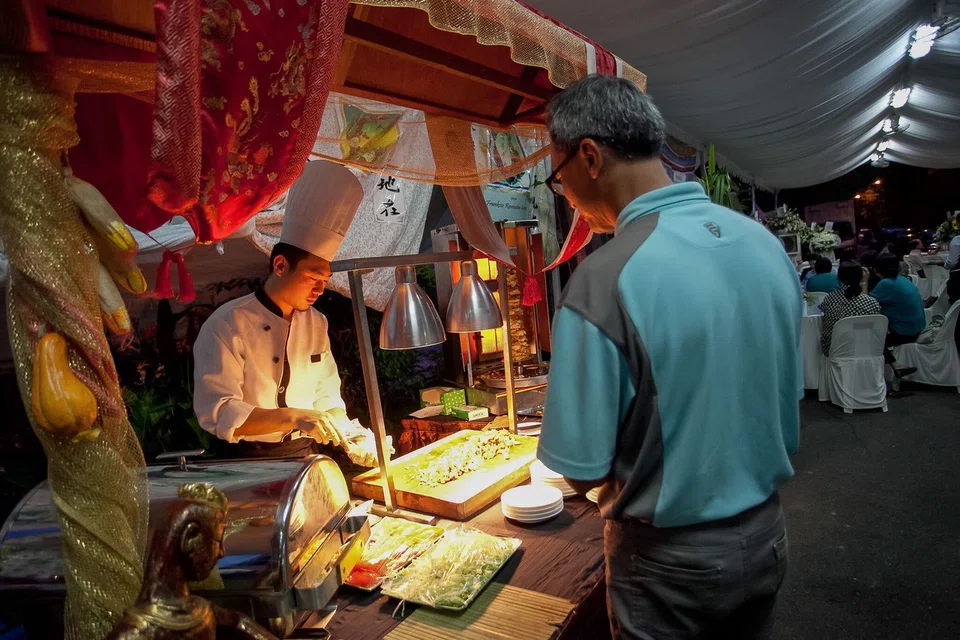
“In recent years, we see more demand for alcohol to be served to funeral attendees. We’ve also served families who have requested live station food stalls serving the deceased’s favourite dishes, such as laksa, popiah, muah chee, mee siam, satay and so on,” says Ang Jolie Mei, managing director of The Life Celebrant (TLC), adding that some prefer food to be individually plated.
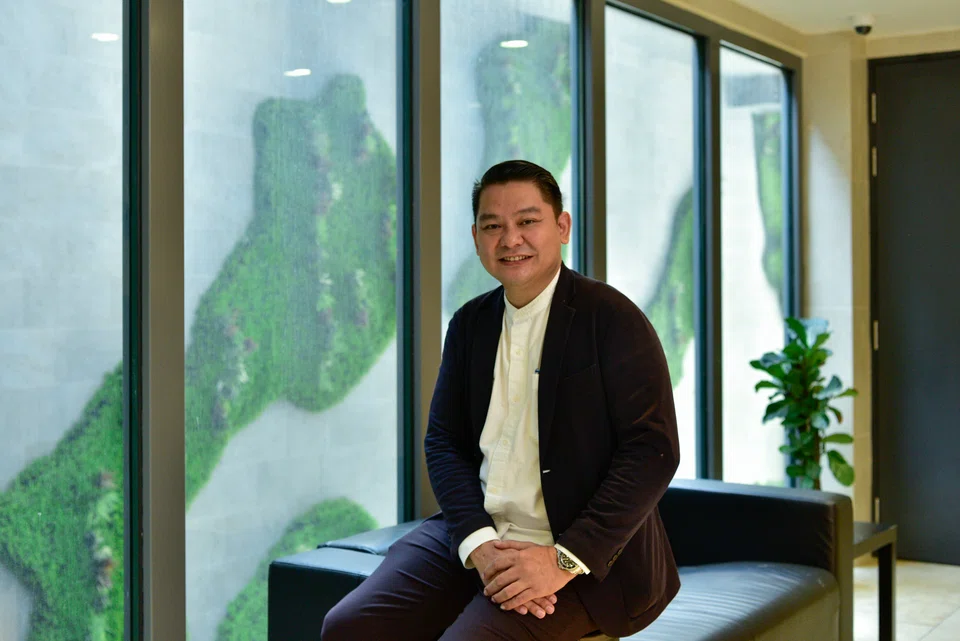
ACMFD’s Ang, who has done funerals costing 6-figure sums, says these high-end dos are typically held in good class bungalows with large, air-conditioned tents and buggies to ferry guests between the main gate and the house. It sometimes involves the client’s family members and family office staff in the project team discussing every single item, right down to the specific flowers to use.
“We’ve also done a case where they booked up the entire (former) Mount Vernon Sanctuary venue, taking all 6 halls,” he recalls. “There were 600 to 800 wreaths alone, which required several skip bins to dispose of after the event.”
Doing it my way
Over the years, there has been a shift away from elaborate religious rites towards simpler funeral ceremonies that focus on commemorating the deceased, says Tay, whose father, Roland Tay, is known for doing pro-bono funerals for the underprivileged.
“Families want a more personal touch in the wake and will include items that are memorabilia of the deceased,” she says. “We’ve also helped them write a short biography of the deceased to be placed on each guest’s table… so that guests can have a better understanding of the person they are paying respects to.”
Personalised wakes she has done include thematic ones based on Manchester United football club, an art exhibition, karaoke and Korean pop. “It’s meaningful for the families and guests who visit the wake as they get to send the deceased off in the way they remembered them,” she adds.
ACMFD’s Ang has handled the funeral for a golf fanatic who wanted the entire venue decorated with carpet grass, with the deceased’s trophies, clubs and pictures with his different groups of golf kakis – from Sentosa Golf Club, Keppel Club and Singapore Island Country Club – displayed.
“We’ve also done Hello Kitty and Garfield themed funerals,” he says. “Typically, those who opt for personalised funerals know what they want and share that with us and their family.”
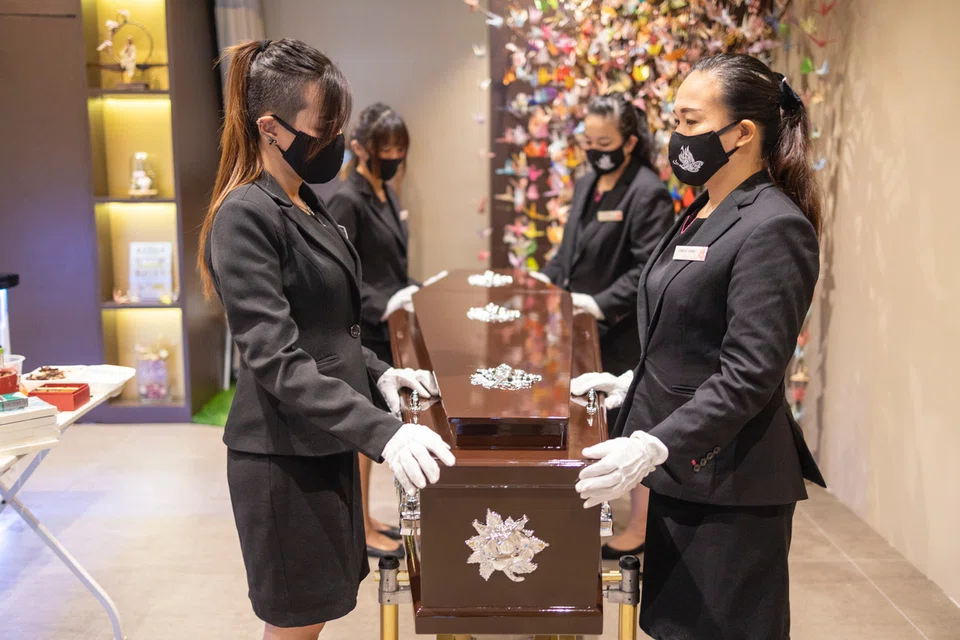
Apart from more desiring a customised funeral, some families are even asking to participate in the preparation of the body of their loved one, says TLC’s Ang. “For example, we launched our Showers of Love Sanctuary in 2017, where we allow family members to participate in the dressing and make up of their beloved. They are grateful for such a therapeutic experience and have expressed that this helped them with closure.”
While most of the dead here are cremated and cremations are never green, families can still do their small part by choosing eco-friendly options such as biodegradable seashell urns and wicker caskets, or combining the cremated remains with a plant using a biodegradable pot before transferring it to the family’s garden.
How not to turn in your grave
People plan for their life. They plan their finances, they buy insurance for protection and they also draw up a will to distribute their assets upon death.
However, most don’t plan for what happens for those days immediately after they kick the bucket, when loved ones are often already struggling with loss and grief.
And that’s something that needs to change, say funeral directors.
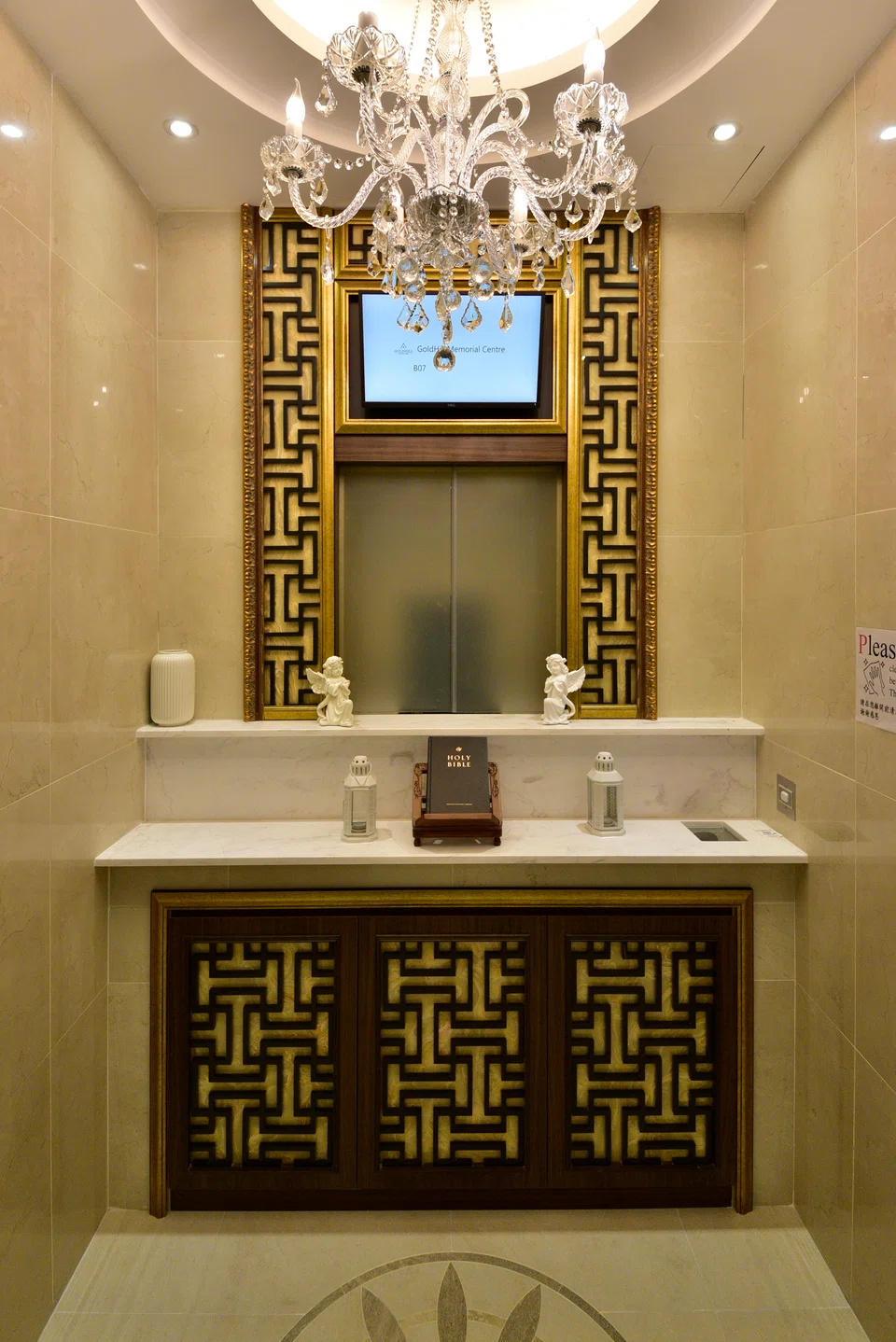
When Hoo held a grand opening of Goldhill Memorial Centre, a S$30 million private columbarium in Tampines in February, he had Chinese radio DJs Marcus Chin and Dennis Chew, actor-comedian Mark Lee and getai host Wang Lei live-stream the event, cracking jokes and laughing as they did so.
“Marcus is our brand ambassador,” he explains. “He is of a senior age and so are his followers, so we felt he’ll help us attract people from the right demographic. Talking about death is very taboo among the Chinese, but by bringing in comedians, it’s easier to break the ice and get people to explore the idea of planning for their final resting place.”
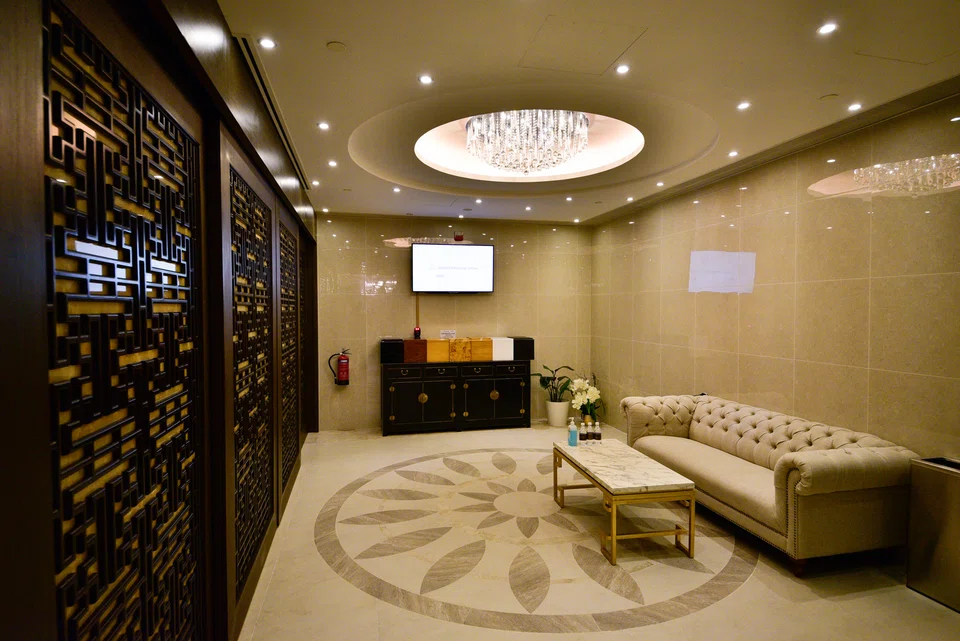
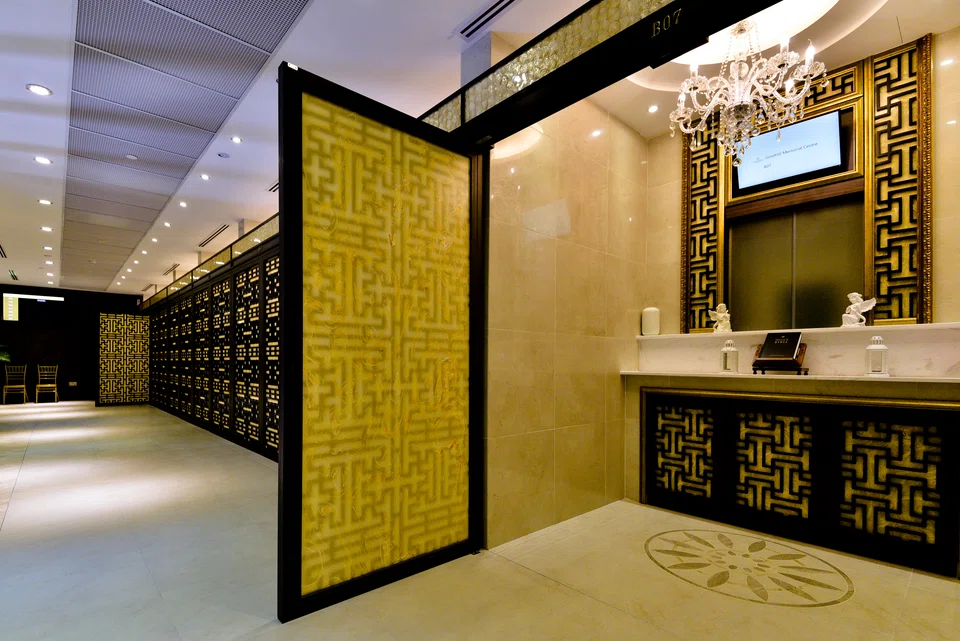
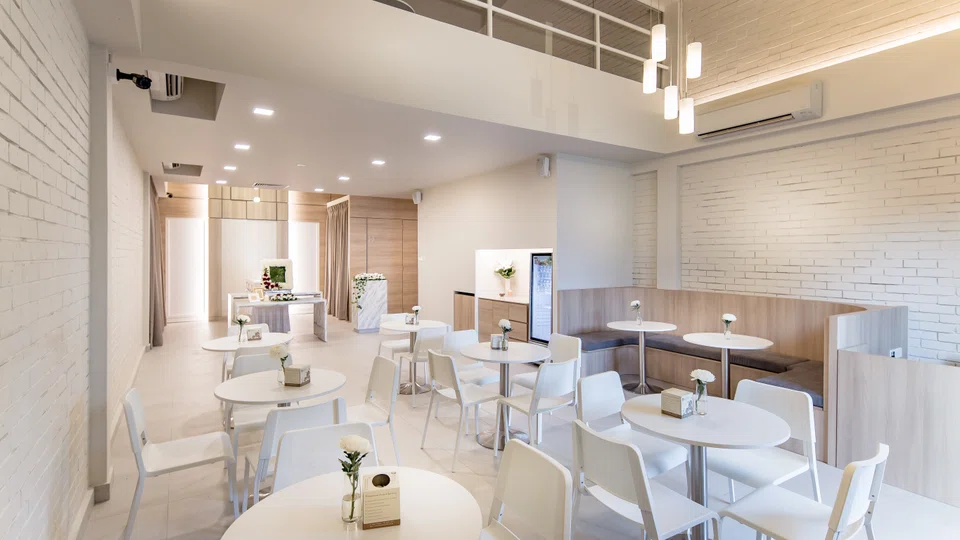
Goldhill Memorial Centre is Singapore’s first fully automated and air-conditioned columbarium integrated with a funeral parlour. It has capacity for 8,500 niches, each able to hold 2 urns.
Its well-appointed suites cost S$60,888 each, while elegant private booths with eye-level niches are priced at S$16,888 each. The automated system retrieves the niches from a hidden storage area and places them in the assigned suites or booths when visitors arrive to pay their respects.
Hoo says that once a lasting power of attorney, advanced medical directives and wills are sorted, eventually, people who are more open to the idea would want to discuss their funeral plans. That is picking up, albeit slowly.
“Some want to choose what they want, instead of leaving it to the next generation,” he says. “They don’t want to burden their children, who may find it financially stressful as they have less savings and their own children to take care of.”
TLC’s Ang says that since 2015, she has been advocating that people ensure their 3 wills are taken care of – living, financial and emotional. A living will deals with issues concerning mental capacity and personal/financial welfare during critical illness; a financial will covers asset distribution and funeral pre-planning after death; while an emotional will concerns how one wants to be remembered.
The former financial adviser is also the author of the book Dying to Meet You and a regular speaker at conferences on end-of-life issues. Through her book, she hopes to normalise conversations around death, so everyone can be better prepared when the day comes.
“The purpose of end-of-life conversations is to allow both the patient and family an opportunity to decide on the patient’s wishes in advance,” she says. “The biggest issues I’ve often encountered when these conversations are not held are disputes between family members on funeral arrangements.”
ACMFD’s Ang founded the Ang Chin Moh Foundation 10 years ago on ACMFD’s centennial anniversary, to improve death-literacy among the public, and in so doing, enhance Singaporeans’ attitudes towards their own mortality and uplift standards in the funeral and bereavement sector.
“When you want to go to university, you plan. You do likewise for retirement. So why not for death?” he asks. “People think death is for very old people, but in my profession, we’ve seen all ages dying, from young to old. Planning for a funeral doesn’t mean the person will die soon, but rather, how his or her funeral will be carried out. Funeral planning is the key to essential conversations.”
While there is no ideal age to start planning for one’s funeral, DFS’ Tay recommends that as you prepare a will, you should make your wishes regarding your funeral known too. “The will and the funeral come one after another,” she points out.
Regrets, I’ve had a few
ACMFD’s Ang says there are people who think their death is not their problem, but for their family or country to deal with. There are also those who feel it is their responsibility but are too afraid to talk about it.
“And sometimes, their children will tell them they’ve been meaning to ask, but don’t dare to in case they are seen as being unfilial. So I think it takes lots of courage, wisdom and love to do pre-planning.”
When end-of-life conversations are not held, there can be guilt and regrets aplenty, such as with a man who paid for a top-notch funeral for his late mother, but still asked ACMFD’s Ang every Sunday for 6 months if what he chose was what she wanted.
“His mother had wanted to tell him what she wanted for her funeral many times but he didn’t want to talk about it,” he explains.
There are also many instances of family conflict after funerals.
One of his most painful cases involves a man who died of cardiac arrest at home. It took ACMFD’s Ang 6 hours of discussions with his family, of which 5 hours involved trying to resolve disputes among his adult children, who were of different religious faiths.
Sometimes, it’s about money – who pays for the funeral.
At other times, it’s about managing egos and who knows best what the deceased would have wanted.
“There was a youngest son who was the father’s main caretaker and naturally knew what his father wanted. However, the eldest son, a businessman, wanted to do everything from A to Z. After the funeral, the brothers no longer communicated because the younger son felt his father’s wishes were disrespected and the funeral was showy.”
Over the years, ACMFD’s Ang has served “the nice and not-so-nice ones”, some with many wives, complicated families and others. Some were told by their doctors that they wouldn’t make it past 6 months, but survived year after year, cherishing every single day they’re alive.
He says conversations about dying, death and funerals can bring families closer, not further apart because people discover more about each other and also realise they have a finite time on earth. Like other funeral directors, he reiterates the importance of communicating your wishes early to avoid more stress and grief for loved ones.
“Plan for your funeral, and tell your family,” he advises, “as the real cost of any funeral can be the emotional one of regret”.
TRENDING NOW
‘My grandfather’s legacy’: Sherman Kwek lays out three-year plan for CDL to drive returns
CDL to hire dedicated CEO for fund management as it steps up push into private funds
Built on trust since 1964: How this award-winning finance company has grown with its SME customers
VSMC opens US$7.8 billion chip fab in Singapore, bets on ‘physical AI’ demand