
Danger signs for Asia
Changyong Rhee, director of the IMF's Asia and Pacific department, on serious risks such as trade tensions, rising debt, poor productivity and the ticking time bomb of ageing populations.
 Add BT as a preferred source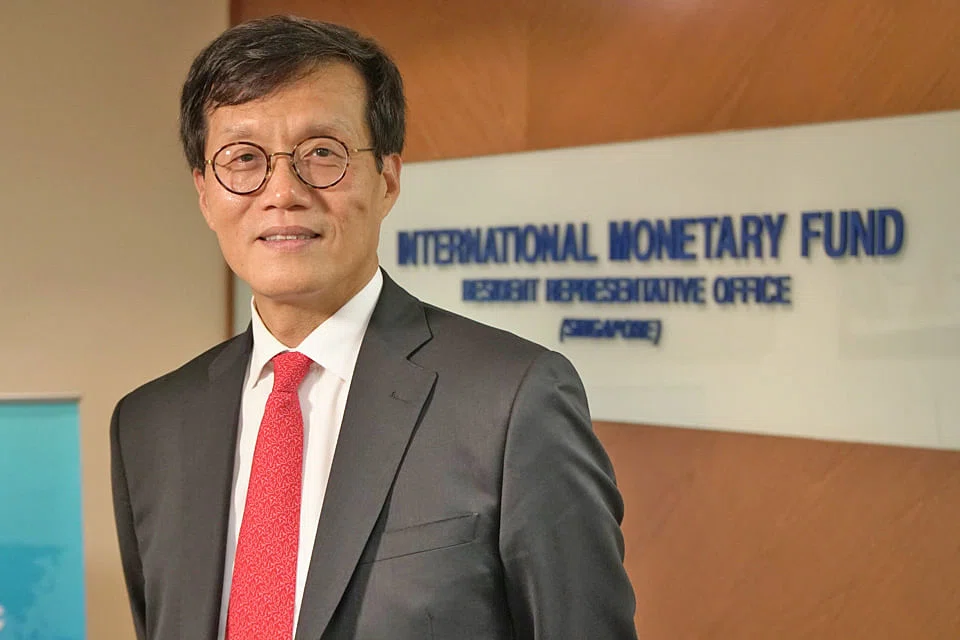
TWENTY years ago, the International Monetary Fund (IMF) was in the headlines almost every day all over Asia. 1997 was the year of the Asian financial crisis, which started in Thailand and then spread like a contagious fever across the region. The IMF, which is supposed to be the world's number one specialist in economic crisis management, rode to the rescue.
However, the treatment, in the form of IMF programmes, famed for their austerity, proved painful. Across the region, currencies plunged, bankruptcies and unemployment soared, economies all but collapsed - Indonesia's economy, for instance, contracted 13 per cent in 1998. Whether fairly or unfairly, the IMF's image and reputation in the region took a terrible hit. In some countries, such as South Korea, the crisis even came to be called "the IMF crisis" even though the IMF played no role in causing it and did, in the end, help to resolve it.
The IMF's director for Asia, Changyong Rhee, who is himself Korean and once worked for the South Korean government as well as the Asian Development Bank, suggests that the Fund's image in the region has "changed quite a lot." He credits IMF managing director Christine Lagarde, who has built a good rapport with Asian leaders and is popular in the region, for this. Nevertheless, many officials in the region think that if Asian countries face an economic crisis again, they will probably try to avoid having to take the bitter medicine associated with an IMF programme.
Copyright SPH Media. All rights reserved.

