Lessons from the business of tuition: Are we paying attention?
Singapore's educational rat race feeds a booming trade in outside-school learning, that also raises stress and inequality.
Claudia Tan HS
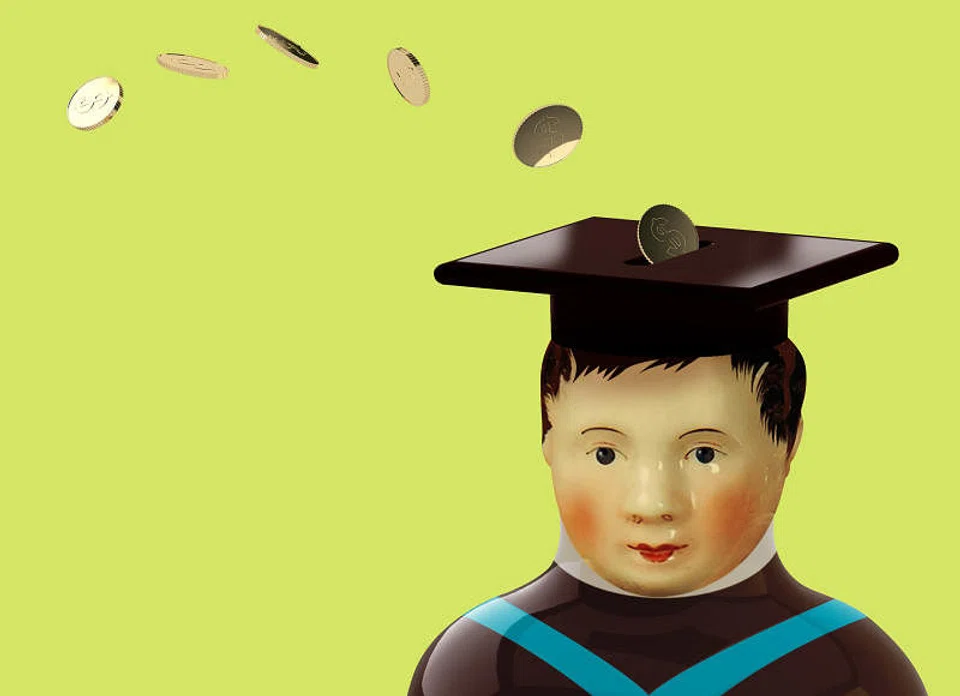
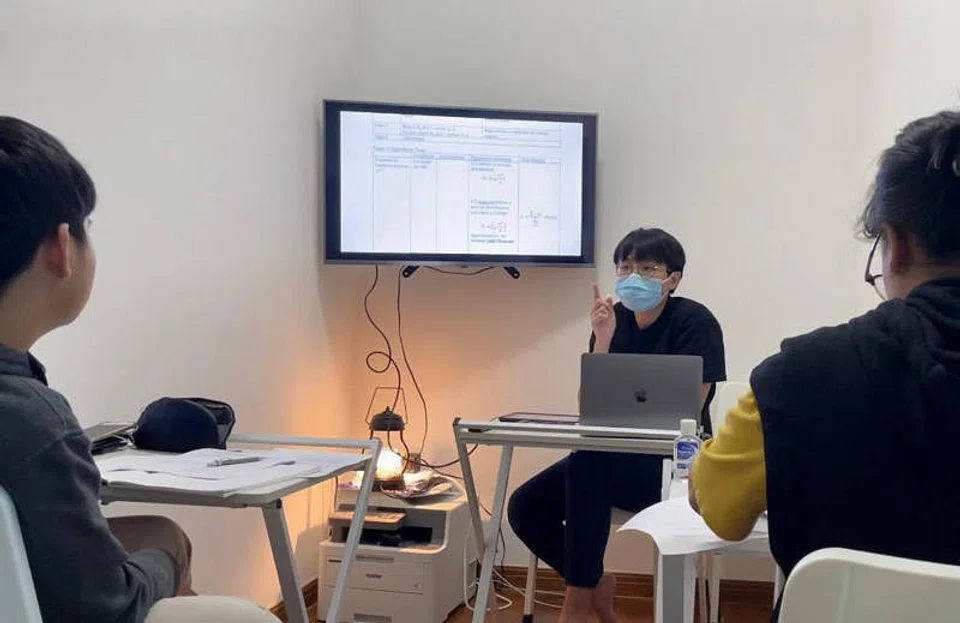

WHILE Singapore's education system has undergone several reforms in a bid to take the pressure off students and parents, through a shift away from an overemphasis on grades, the educational rat race has shown little signs of abating. Parents continue to cough up a significant portion of their household income on tuition to ensure their children keep up with the rigour.
Average household spending on tuition went up from S$79.90 per month in 2012/2013 to S$88.40 per month in 2017/2018, show figures from the household expenditure survey, which is conducted once every five years by the Singapore Department of Statistics. And spending on tuition can go up to thousands a month for families with several school-going children.
The never-ending pursuit for better grades has spurred the growth of Singapore's tuition sector which has ballooned into a billion dollar industry. Excluding the income of private tutors who do not register as business entities, total revenue in the industry rose from S$1.5 billion in 2017 to S$1.68 billion in 2019, show figures from data-analysis firm Handshakes based on information from the Accounting and Corporate Regulatory Authority.