

Millennials who buy SMEs
There’s more than one way to become your own boss. Instead of starting a business from scratch, some millennials aim to acquire and manage SMEs.

Paige Lim

AFTER getting a Master of Business Administration (MBA) from Harvard Business School in 2018, former investment banker Amelia Lee, then 29, decided to become an entrepreneur. But instead of building her own startup, she took a less conventional path: searching for a small and medium-sized enterprise (SME) in Singapore to acquire and manage.
Lee convinced two peers, Aileen Seah and Goh Xin Ying, to quit their jobs and join her full-time on this search. The trio set up entrepreneurial firm Potter Capital, and began cold-calling companies and heading to industrial sites to meet potential targets.
Today, they are the managing directors of The Health Collective, a group of three SMEs – a chiropractic chain, dental chain, and osteopathy and physiotherapy chain – separately acquired over the past four years.
What they carried out is known as a self-funded search – a form of entrepreneurship through acquisition (ETA), where one becomes an entrepreneur by buying a small business.
It is an alternative to the traditional search fund, the predominant model of ETA pioneered at the Stanford Graduate School of Business (GSB) in 1984. A search fund is an investment vehicle through which an aspiring entrepreneur raises funds from investors to locate, acquire and operate a small business, with backers usually willing to fund at least two years of searching.
“Students are typically surprised that investors would pay their salary for two years, cover their search expenses to find a company to buy, and then finance the acquisition,” said Ivana Naumovska, assistant professor of entrepreneurship at Insead Singapore, who teaches about search funds.
“(They) ask: ‘Why would investors pay US$500,000 to an MBA student they don’t know, to find an acquisition target that is yet unknown?’
Yet search funds have become an increasingly popular entrepreneurial option among MBA graduates in the United States and Canada, with ETA models taught in most graduate business schools.
According to Stanford GSB’s 2022 Search Fund Study, there were 124 search funds launched in the US and Canada across 2020 and 2021, with 66 acquisitions and a record US$776 million invested in searchers and search-acquired companies.
Self-funded searches
While it seems that no traditional search funds have been launched in Singapore, some self-funded searches have succeeded.
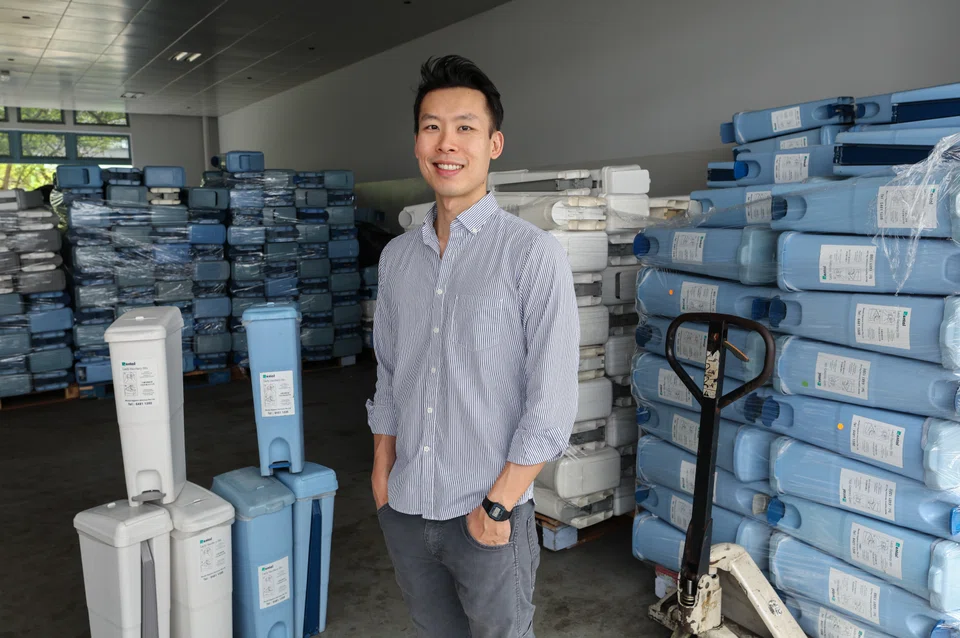
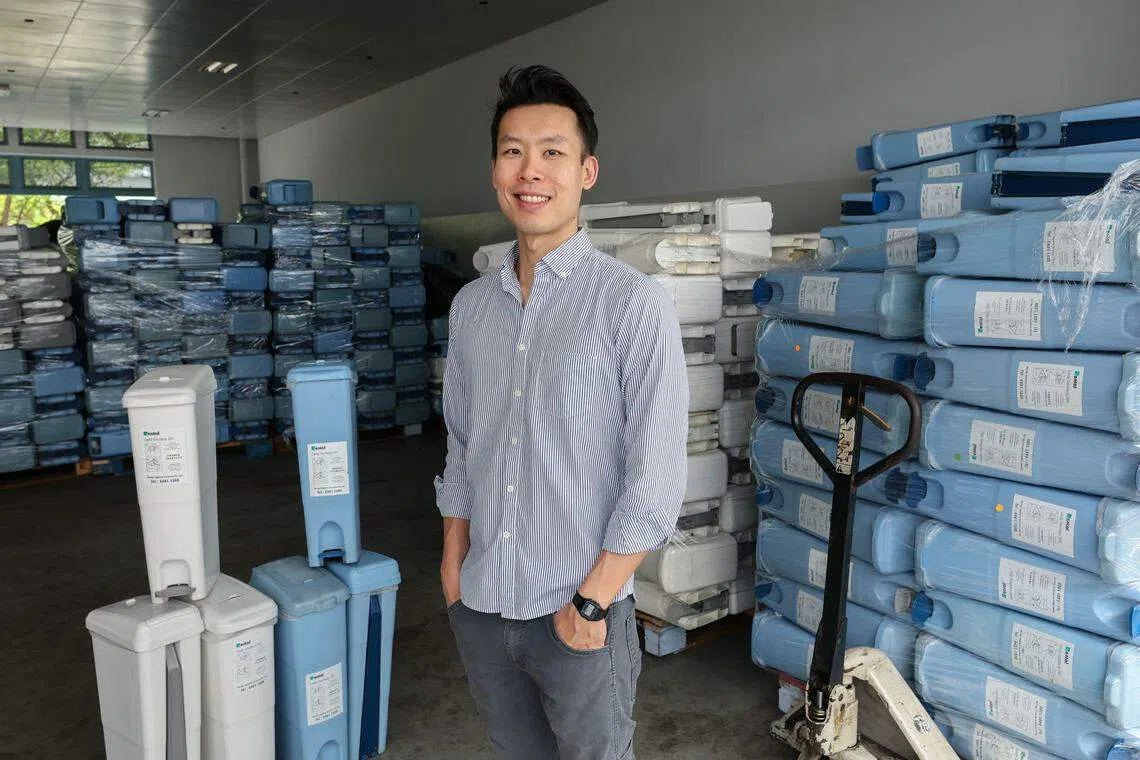
Scott Lee, 35, acquired washroom hygiene firm Rental Hygiene Services in October 2019. He had embarked on this search after receiving his MBA from Insead Singapore in 2018, setting up buyout firm Silver Straits Capital for the purpose.
A self-funded search is funded out of personal savings, with capital raised from investors only after a target is identified.
For Potter Capital’s Lee, this gives her team “more negotiating power” and allows them to be the majority shareholder when they acquire a target, in contrast to a traditional search fund where investors commit capital from the start.
Searchers told The Business Times that while they were open to companies across all industries, the most attractive targets tended to be in traditional but essential sectors: facilities management services such as cleaning and commercial aircon servicing; manufacturing; logistics; and even pest control.
Key criteria for targets include Ebitda (earnings before interest, taxes, depreciation, and amortisation) margins between 15 per cent to 20 per cent; a stable customer base; and a competitive advantage in their sectors, they added.
Going for “boring, unsexy” but “less risky” sectors offers aspiring first-time chief executive officers (CEOs) some “margin of safety”, especially just after acquisition when there might be teething issues, said Lee.
But the search process comes with its own challenges – from sourcing for leads, to facing scepticism from business owners, to deals falling through after advanced discussions.
“There was one owner I met that actually dissed me, because he thought I was too young and didn’t have the capital to buy over and operate his business,” recalled Silver Straits Capital’s Lee.
Besides searching for their own leads, both firms also used business brokers to find targets. Potter Capital sought out accountants and boutique mergers and acquisitions (M&A) firms for leads, and hired people to scrape through databases.
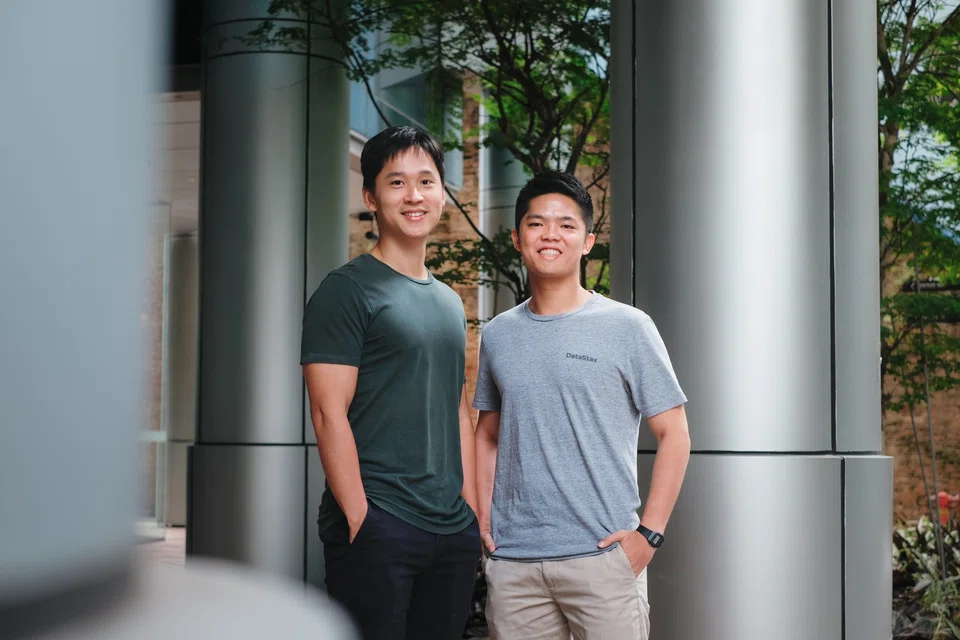
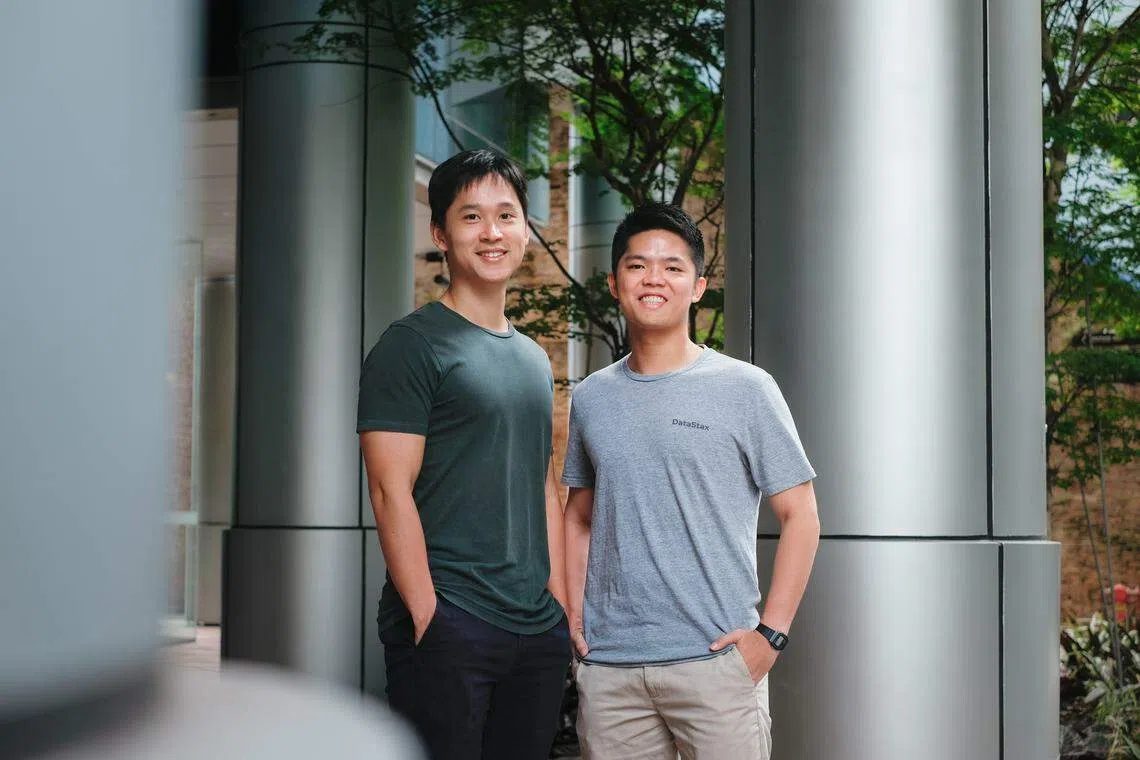
Another challenge is finding business owners who want to make a clean exit, said Benedict Khong, 33, who has been searching since January. He and business partner Henry Tang, 32, quit their jobs to set up Superset Capital and search full-time.
“People are more open to a partial takeover, or having us onboard as a joint owner. They typically think, ‘Oh, I have a lot of industry knowledge, but you guys are completely new to this.’ So there’s that hesitation to sell.”
After speaking to over 100 SMEs, Silver Straits Capital eventually acquired an 80 per cent stake in Rental Hygiene Services. The remainder is held by the owner, who was looking for a younger successor but is staying on in a strategic advisory role for now.
Potter Capital fully acquired its chiropractic chain in May 2019 from an expatriate who intended to move back to the US. It also fully owns the other two chains that were later acquired.
A lack of awareness
Search fund activity outside North America has surged in recent years. According to a 2022 study by the IESE Business School, traditional search funds were launched in nine new countries in 2021 and 2020, including South Korea, Egypt, Belgium and Sweden.
But search funds and self-funded searches remain relatively obscure in Singapore, especially outside MBA circles, said industry observers. Millennials are also likely to prefer startups or multinational corporations, as opposed to running an SME, they added.
Jake Nicholson, managing director of Australia-based search fund accelerator SMEVentures, believes that Singapore has most of the ingredients needed for ETA to take off: “willing capital, an entrepreneurial ecosystem, and businesses in need of succession solutions”.
“However, aspiring entrepreneurs are yet unaware that buying a small business is a viable path to business ownership and entrepreneurship. It’s not just about bootstrapping a tech startup in your garage and eating ramen noodles,” said Nicholson, who lectures part-time on entrepreneurship at Insead Singapore.
Prof Naumovska added that the success rate of the ETA route “is much higher” than starting a business: “Those who have strong managerial skills and entrepreneurial affinities can acquire an existing business, grow it, cut costs and increase profitability, maybe make a couple of add-on acquisitions, and build it into a larger successful company.”
Interest may not be the only thing lacking in Singapore. Almost all ETA efforts will involve a mix of equity and debt financing, typically from banks, said Nicholson.
But banks here are not familiar with search funds as an asset class, which could make it harder for searchers to get an acquisition loan, noted Sameer Narula, managing partner of Singapore-based private investment firm August One, which began evaluating search funds in 2018.
“For a relatively young team to go and get debt to run a small, existing business… it’s a difficult thing to do in a regular situation, and even tougher in a high interest-rate environment like now.” While August One has not found suitable searchers to back in Singapore, it has invested in eight search funds in Europe since 2021.

Bridging the gap
Each year, at least four or five Singaporeans approach Silver Straits Capital’s Lee for advice on starting a self-funded search. But to his knowledge, he and Potter Capital are the only ones here who have made acquisitions.
“There’s a lot of work involved in finding and talking to investors, finding and talking to companies, understanding different businesses, and then finding something that you really want to buy and operate,” Lee said.
The lack of a search fund ecosystem four years ago was also why he chose the self-funded route, he added. “Back then, investors were sort of more wary because there wasn’t any precedent (for a traditional search fund).”
Lee managed to secure an undisclosed sum from seven investors – a mix of high net-worth individuals and family offices – to fund part of the acquisition of Rental Hygiene Services, with the rest covered by loans.
Swedish investment firm Storskogen hopes to match aspiring searchers with the SMEs that it acquires. The company is trying to build a talent pipeline of MBA graduates for its potential acquisitions in Asia-Pacific, said Shuo-yen Choo, managing director of Storskogen Singapore.
“What we want are high-calibre people who are motivated to do a good job with the SMEs we acquire. You have these young searchers passionate about running a small business, so there’s a natural alignment with our goals,” he said. Last month, he co-organised a panel on ETA with Insead to reach out to its students.
Meanwhile, August One is setting up a search fund accelerator between Europe and Singapore, in partnership with government agencies, corporates, universities and family offices. The accelerator will provide committed capital to a curated cohort of search fund entrepreneurs and support them in finding companies, said Narula.
From housekeeping to scaling up
Each month, business brokerage EK Consultancy sees at least 20 to 25 SME owners looking to sell their business, of which about 40 per cent are profit-making, said principal consultant Eugene Koh.
“Some want to sell because they want to retire; others have reached a level where they’ve maxed out their resources and growth has stagnated. They find that they cannot scale up further, so they are open to selling to a third party partially or fully.”
The searchers believe that their work history puts them in good stead to grow these businesses, despite being new to the respective industries.
For them, the first task is getting to know the business: spending time on the ground to understand day-to-day operations and engaging employees.
“The biggest risk is buying over a business that one doesn’t have the ability to operate smoothly,” said Silver Straits Capital’s Lee, who held roles in finance and operations before his MBA. “So I was cleaning sanitary bins, doing deliveries, shadowing staff… I needed to learn everything first, before knowing how I could make employees’ lives better.”
Since taking over Rental Hygiene Services, he has introduced products such as a scenting line and a suite of smart washroom technology solutions, and has implemented a staff incentive structure.
“Where we see our value is bringing about incremental changes, taking something that already works and improving it,” said Potter Capital’s Lee. This includes “low-hanging fruits” such as automating and streamlining operations; their chiropractor chain, for instance, previously stored all its data on servers inside its three clinics, with no cloud access.

While Khong and Tang have yet to acquire an SME, their search resulted in an unexpected business opportunity. They noticed that the SME owners they met had the common desire to increase productivity via technology, but lacked the know-how.
The duo therefore built an all-in-one business management software. Their product, Helm, currently has three clients and charges a monthly subscription fee, providing some basic salary during their search.
Both still hope to acquire an SME by end-2023; ideally one where they can introduce their product and use technology as a “starting point” to improve the company.
“Things like digitalising operations, implementing digital marketing and growth hacking which is common in startups – for some reason, these strategies are rarely used in SMEs, which could benefit from these techniques,” said Khong.
“These small businesses are doing well, but they could do so much better.”
TRENDING NOW

Once staunchly pro-China, Malaysian Chinese businesses are now distancing themselves from Beijing

Looking beyond looming CEO succession, should UOB potentially pursue a transformative merger?

Could stablecoins be the future of money?

Grab CEO’s wife Chloe Tong on life with Anthony Tan and finding her purpose

