

New kids on the block shake up the nightlife scene

Tessa Oh
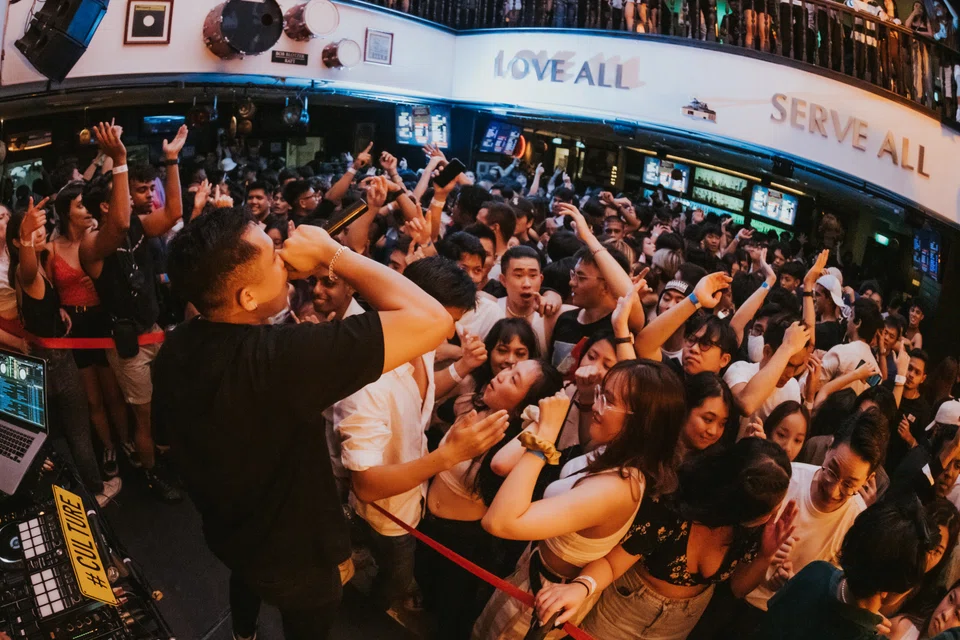
AS SINGAPORE’S nightlife industry comes alive again, newcomers have burst onto the scene with fresh concepts, targeting Gen Z partygoers who are having their virgin clubbing experiences after two party-free pandemic years.
One such group is Culture, the brainchild of DJs Vira Suria, Ahmad Faizal and Ashraf Karim. Though millennials themselves, the group has amassed a following with parties themed after everything Gen Z – TikTok nights of viral hits, cinema-themed dress-up parties, and club nights paying homage to the generation’s hottest pop stars Taylor Swift, Justin Bieber and One Direction.
Tickets for Culture’s events now sell out within minutes, says Faizal, the group’s business development head. “We do have a very successful template going on right now. We feel like we have a very good relationship with these Gen Zs and this community of people.”
Then there is UNfiltered Singapore, a media company with no prior experience in the nightlife industry that jumped headfirst into the scene this August. It hosted its first 2000s themed party – aptly named “Flashback Friday” – after seeing the success that other organisers were having.
“We actually tried to go for one of these parties, but couldn’t get tickets, so that’s when we decided to throw our own,” quips co-founder Angelo Wan.
While themed raves like Emonite have been a mainstay of Singapore’s club scene for a while, the UNfiltered team noticed that organisers were not featuring the nostalgic tunes – which for Gen Z means the 1990s and 2000s – which have made a comeback.
Playing hits by artists like Britney Spears and Usher, the group was expecting mostly millennials to turn up. But many patrons turned out to be in their early 20s, says Wan.
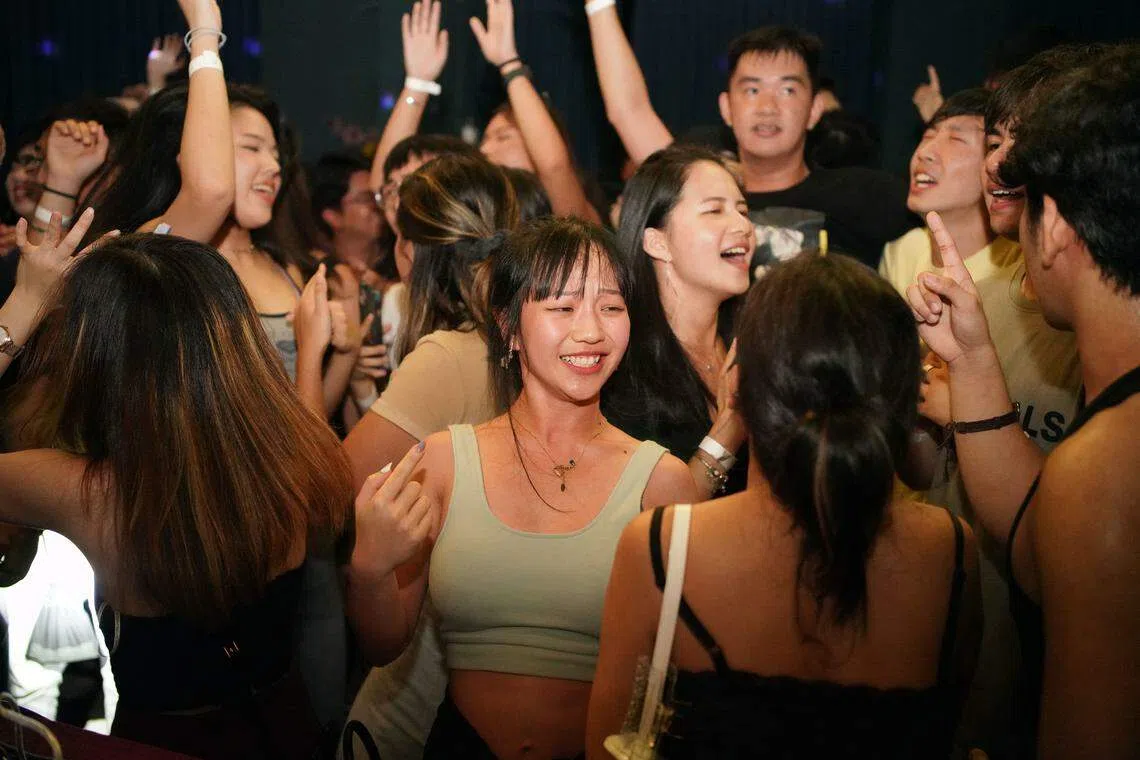
Themed parties are all the rage
With the nightlife industry experiencing something of a renaissance, there seems to be no better time than now to enter the fray.
Demand has surpassed even pre-Covid levels, injecting life into a scene which had been faltering even before the pandemic, industry veterans tell BT.
This is in large part due to pent-up demand from restless partygoers who were held back by the pandemic and are trying to make up for two lost years. The return of marquee events like the Singapore Grand Prix Formula One race has added a further boost.
“The demand has actually gone up two notches,” says DJ Jeremy Leong, who goes by the stage name Gemstarr. “More people are coming, tables are fully booked, guest lists are full, people are willing to pay cover charges to come in – that’s the big difference.”
Leong believes this willingness to pay for nightlife experiences heralds a “brand new start” for the industry: “People are willing to queue, willing to pay, not like before when everybody will try to be on the guest list to skip the queue for free… now, (there is) no more of such nonsense.”
But the most significant difference has been the fresh crop of Gen Z partygoers, and the new preferences they have brought with them.
For instance, Culture had tried to throw an early iteration of its meme-themed parties back in 2019 – but it did not take off as there was no appetite for the concept then.
“I’ll be really blunt, the turnout was not what we expected, so we kind of put it on pause for a bit,” says operations head Ashraf, who goes by the stage name Marshmallowman.
TikTok’s stay-home era rise in popularity was therefore a big game changer. After posting his music mixes regularly on TikTok, Vira realised that “there’s actually a very strong and tight knit community” on the app, says Faizal.
But as Covid restrictions prevented community gatherings, the partying was all digital. So when the rules eased slightly and people were allowed to meet in small groups, the team decided to host a small seated get-together to retest the concept.
“After that first party we did, we realised that there was now a market,” says Faizal. This proved true again when the group hosted its first post-pandemic club night at Pixie nightclub with 200 attendees.
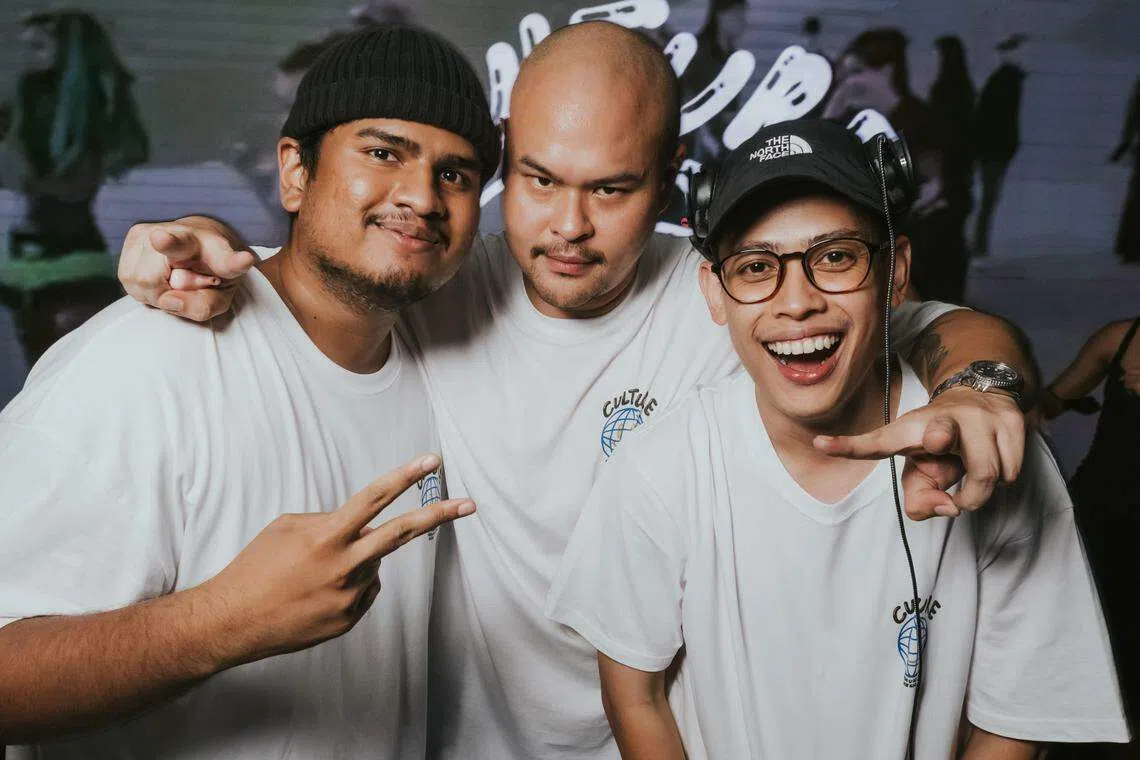
Culture’s parties have since sold out consistently, even after scaling up to crowds of between 700 and 900 people. When BT spoke to them in September, tickets to their latest event had just sold out within a minute.
Similarly, the 200 or so tickets for UNfiltered’s second Flashback Friday party sold out within hours, despite it only being the organiser’s second party.
Let the good times roll?
But some industry veterans are unsure if the good times will last. For one thing, though demand has risen, so has competition, with nightclubs and event organisers slashing their prices to attract as many patrons as possible during this boom.
For DJs, this has meant a slashing of their fees. DJ and emcee Derrick Ong recounts a recent experience where a nightclub chose to go with another artist because the latter was charging drastically less.
“I sent over the invoice on Sunday, they said okay, then Monday they called me and said ‘Nevermind, we found someone who is willing to do it for S$100’,” says Ong.
“I was asking for S$1,000, which is what I usually get. So that’s why I say it’s good for a start for the whole ecosystem, but how does it sustain itself?”
And even as demand surges, party organisers face a dearth of nightlife venues post-Covid, limiting their ability to scale up and grow. Venues that can host nightlife events are now few and far between, and many clubs have stopped working with event promoters, instead keeping everything in-house to maximise profits.
Says Culture’s Faizal: “The location is either too big or too small. For us, we confidently can sell 800 tickets, but there’s only one place that can do that, which is Hard Rock Cafe (at Cuscaden Road). But Hard Rock is also dealing with other people, so we are all fighting for dates.”
While the team has considered other venues, no other option came out on top – even those with the right capacity had fire safety rules limiting crowd sizes or did not allow events to run after midnight.
UNfiltered faces the same issue. It hosts its parties at Projector X, which can hold up to around 200 people, but the venue’s popularity means the team has had to fight for dates.
New events may be proliferating, but new venues are unlikely to sprout up soon. Says Ong: “Orchard Towers has been there for donkey’s years. Nobody thought they would disappear, but Covid happened and now they’re gone. They need to find new spaces, but what new spaces? Everything in Singapore is either residential or food and beverage.”
“It will just come to a point where rental will be too high for a certain place that you want, or you won’t get the place that you want because it’s meant for something else,” he adds.
Making a comeback
Nevertheless, businesses remain optimistic and aim to ride the tide while it endures.
This goes not just for the surviving operators and newcomers, but those looking to make a comeback as well: new operators refreshing old haunts, as well as those which fell during Covid but are getting back up.
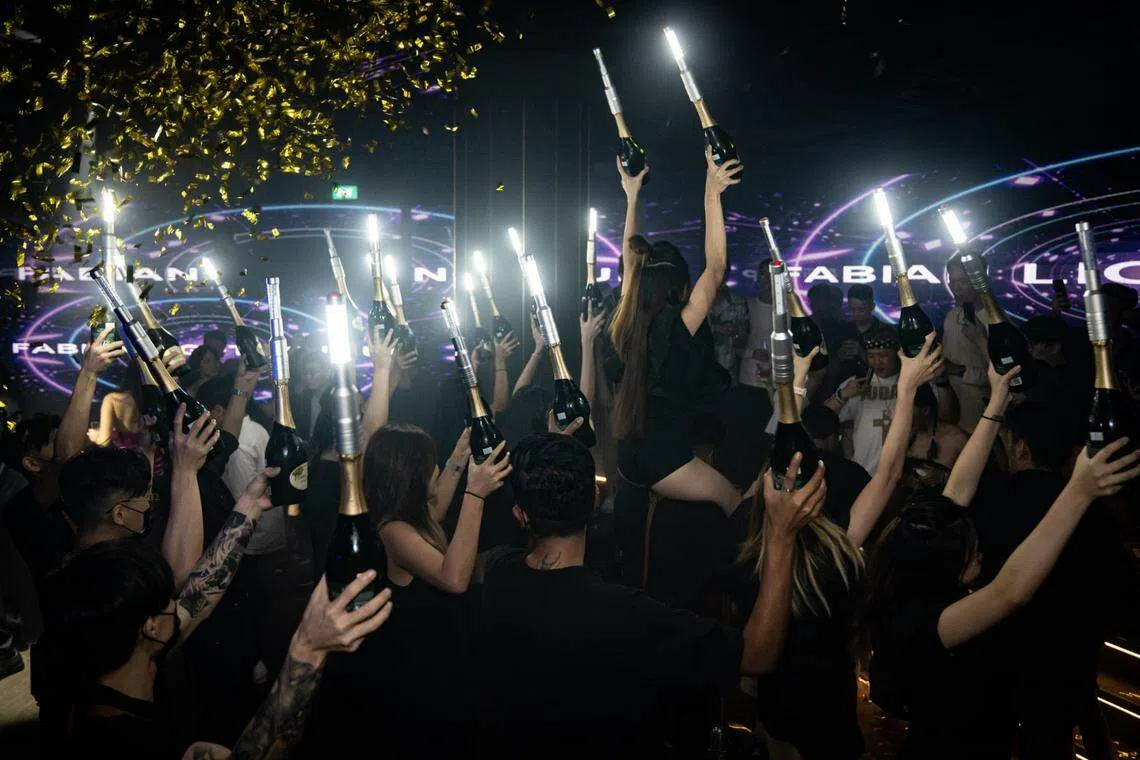
Taking over the space that once housed the beloved Bang Bang Nightclub is Luxe Nightclub. The new operator hopes to bring unique experiences to Singapore partygoers, says chief operating officer Jeremy Bala.
Luxe opened in early September to an “extremely warm reception”. Asked how it plans to set itself apart from its predecessor, Bala says: “The main purpose of Luxe is to showcase a more intimate, and personalised experience to our guests, leaving them a night to remember.”
Another operator planning a comeback is A Phat Cat Collective, the group behind retro nightclub Nineteen80 and steampunk bar Rails, both of which closed in September 2021.
Speaking to BT, co-founder Joshua Pillai says the group knew that it wanted to make a comeback eventually, but it would be a “waiting game” for the right time – not only for the industry to recover, but also for the group to have its Covid-proof concepts ready.
“If there is a situation like a lockdown again, I know what I have to do now. I know now that I have to think outside of the box,” says Pillai.
While he could not say much about future plans due to ongoing discussions with investors, one key thing which the group wants to do differently is to adopt a hybrid approach, ensuring that its food and beverage offerings are just as strong as its nightlife pillar.
The rising popularity of themed concepts among the younger generation of clubbers is also very encouraging for the group, he adds.
“In the industry right now, the clubs are lacking a bit of concept, and I feel like Ninteen80 and the new concepts I’m going to bring will fill a little bit of the gap.”






